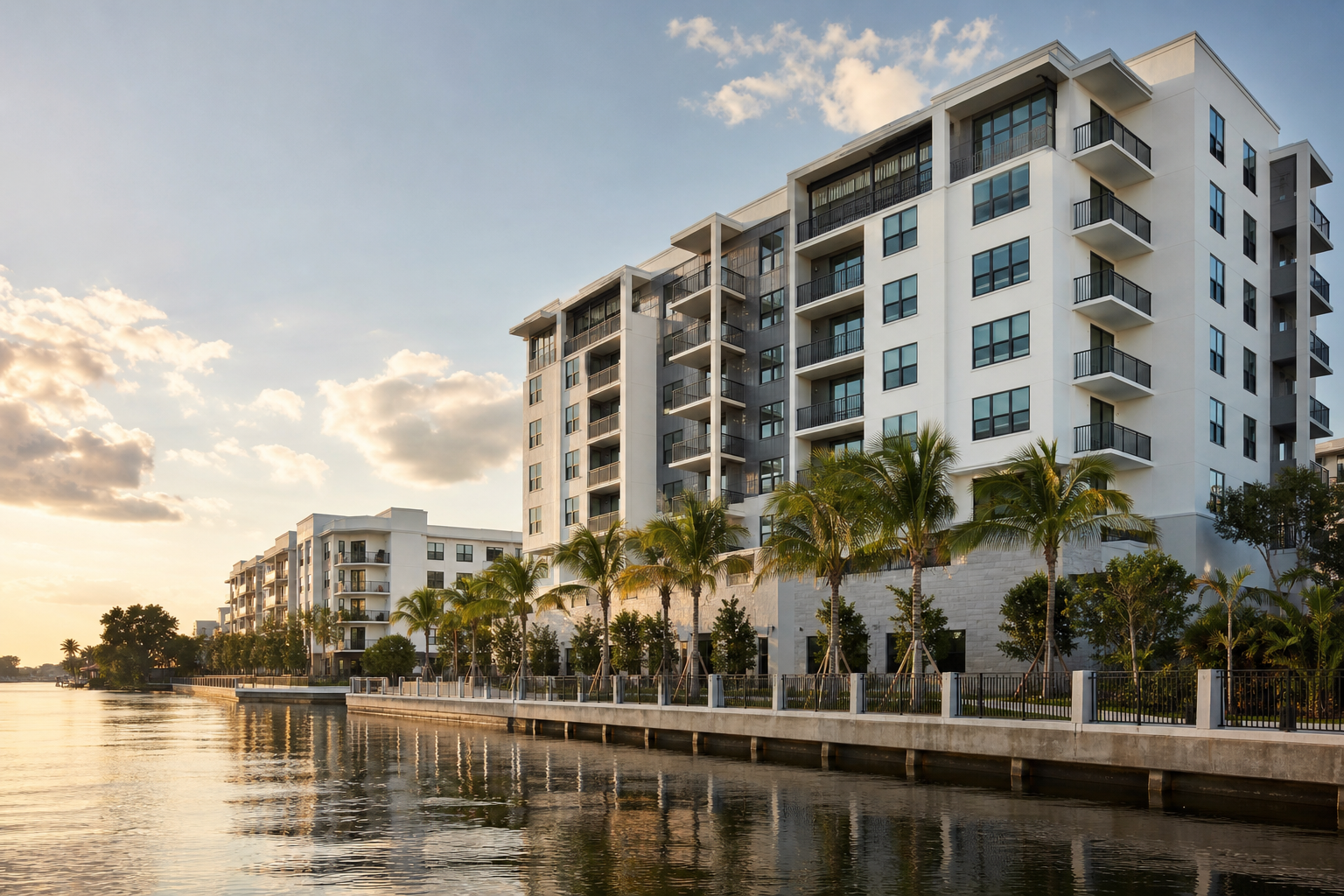
The new loan is half again as large as the construction loan it replaces. Public money sits inside the capital stack.
The loan works out to about $253,000 per unit (derived), and the new debt exceeds the old by $42.5M (derived), about 50% more.
The source does not say what the extra proceeds cover. Possible uses are equity return, reserves or lease-up capital. Term, rate and leverage were not disclosed.
The 151 affordable units are about 30% of the building (derived). Public support came with conditions on affordability that the source does not detail.
Implications
Ask what the takeout proceeds fund and who set the value. Sponsors using public funds should model the cost of restrictions over the hold. Lenders should check how a 100-120% AMI rent compares with market rent in the submarket, since the gap determines whether the restriction costs anything.
Flags: Single source. Loan term, rate, leverage, rent and lease-up status are not disclosed. Per-unit, difference and affordability-share figures are CRE360 derivations. Affordability conditions on the CRA funding are not described in the source.
Related coverage
Key Takeaways
- The takeout loan is about 50% larger than the construction loan it replaces
- Public money including an $8M forgivable loan sits inside the capital stack
- The source does not disclose rate, term, leverage or what the extra proceeds fund
Commercial Observer, Madison Realty Capital Supplies $127M Refi for Fort Lauderdale Development, Oct. 2, 2026
Never miss a Signal
Get the daily brief that busy CRE professionals rely on.