
Property Prices Stall At 12.8% Below Peak As Yields Climb
Green Street's index fell 0.1% in September while the 10-year Treasury hit 5.31%.
CRE360 Editorial Desk·Oct 10, 2026
Debt, equity & transactions
Green Street's index fell 0.1% in September while the 10-year Treasury hit 5.31%.

MSCI: insurers added the most leverage of any lender group; about 30% of 2025 lending funded data centers.

A 75-basis-point move in 30 days is ending the hope that rates would rescue 2026 maturities.

A land and master-planned-community owner is trying to become a Blackstone-style manager.
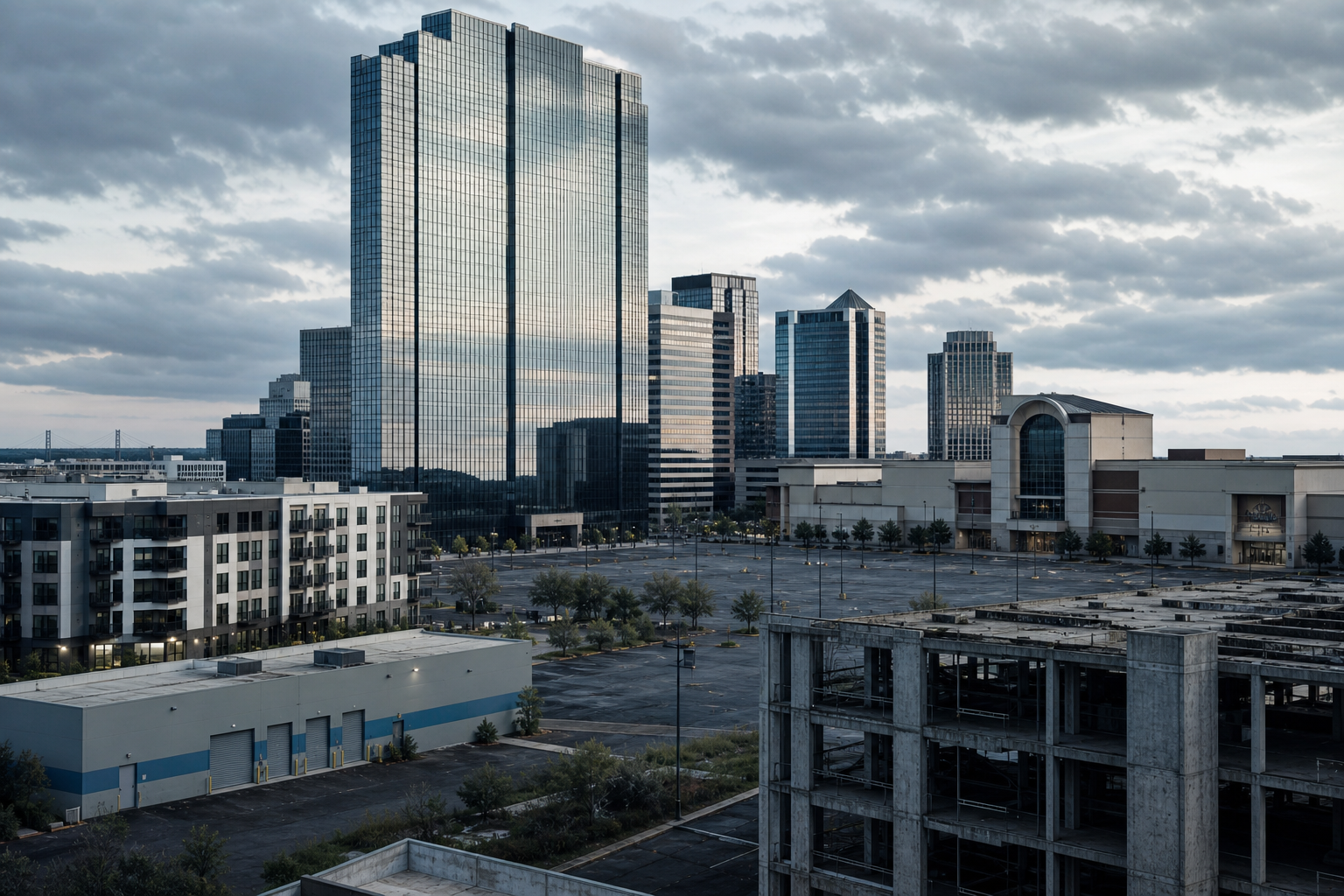
From a $806M Boston office to a Memphis mall, six loans this week span nearly every property type.

August's $107B sales headline was mostly M&A -- property-by-property trading actually fell.

Both a $2.7B equity fund and a $2.3B credit fund closed oversubscribed -- a real-money signal on institutional CRE appetite.

A secondary sale offers liquidity without forcing Blackstone to sell real assets into a soft market.

Corebridge refinanced 40 Tenth Avenue at nearly double its 2020 construction loan.

BCB Bancorp expects an $87M pre-tax hit and a $126–136M quarterly loss, and raised $85M of equity to absorb it.

A 12-0 vote to 3.75–4%, a dot plot pointing higher, and lenders who say they are done extending.

Multifamily buyers are already underwriting the decision; one is currently under contract at 80% of replacement cost.

$410 million for LCN Capital - roughly 80% in stock, $150M contingent on performance.
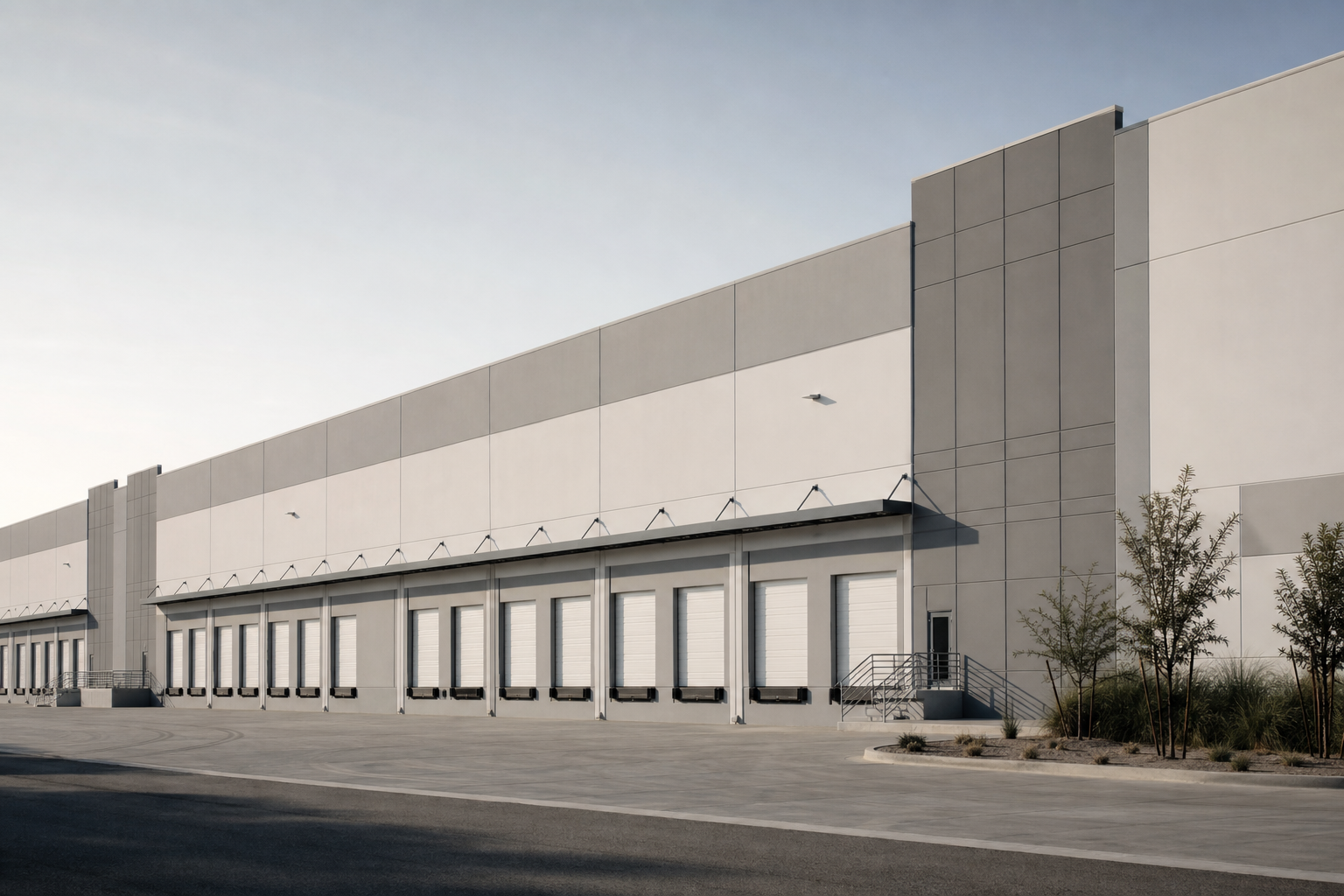
EQT buys 22 Southern California industrial properties from a seller shedding above-market leases.

A Brooklyn refinancing and a competitive lending field show refinancing, not default, is clearing the wall.

Q2 originations jumped 16 percent, with debt flowing hardest into the two most-written-off sectors.

Boston's Winthrop Center used an energy-assessment program to extend term and cut cost of capital.

The transaction rebound is being carried by portfolios and M&A, not single-asset trades, and it is uneven.

The rate is climbing because loans cannot refinance at maturity, not because buildings are empty.

KKR Real Estate Finance Trust weighs a sale as the commercial-debt cycle bites.

A 20% premium for 53 million square feet says private capital sees value the public market won't price.

Debt funds now write more than half of non-agency loans, and the private-credit premium is a choice.

Green Street's index is up 4% on the year, and the average hides a market splitting in half.

Green Street's June index gains 4.1% for the year — and stays 14% under peak because cap rates won't move.

A persistent public-market discount keeps pulling listed real estate into private and consolidated ownership.

JLL's new credit index hits an all-time high as lenders fight to place capital.

Altus says performance has split to a record spread as $875B in loans come due — and retail, not office, is leading.
The new Fed chair's first pause confirms there's no rescue cut coming for $875B of maturing CRE debt.

Median CRE just hit an all-time high — but the aggregate is hiding a record split between winners and losers.

10 Hudson Yards lines up a $1.4B refi — and sets the mark for trophy office debt.

Legal frameworks now define how real assets move on-chain, enabling institutional capital to scale tokenized ownership structures across multiple asset classes.

Escalating Iran conflict begins transmitting through fuel, supply chains, and investor behavior into U.S. real estate decisions.

Global brokerage consolidates capital-markets power with major U.S. advisory acquisition.

CBRE Investment Management just hit a major institutional milestone in how capital moves through real estate markets — and it signals where big‐ticket liquidity may be flowing next.

Cloud and AI tools target forecasting accuracy and grid reliability

Dissenting Fed voice argues policy remains overly restrictive as inflation cools.

Tightening spreads point to improving risk appetite before deal volume responds
realty-income-citycenter-preferred-equity

JPMorgan has moved its expected first Fed rate cut to December 2025, shifting it forward by a month and triggering an immediate repricing across futures markets.

2026 U.S. CRE loan maturities spark uneven distress across asset classes, with office and retail risks testing lender resilience.

Retail retreat from equity dips shifts market resilience to institutional ETF flows, signaling new volatility risks for capital markets.

Modest yield decline signals two-speed bond market as investors hedge on delayed economic data, influencing CRE capital costs.

Trophy assets lure global capital while weaker offices face a slow, disciplined recovery.

Stabilized fundamentals and capital discipline are redefining the retail property cycle.
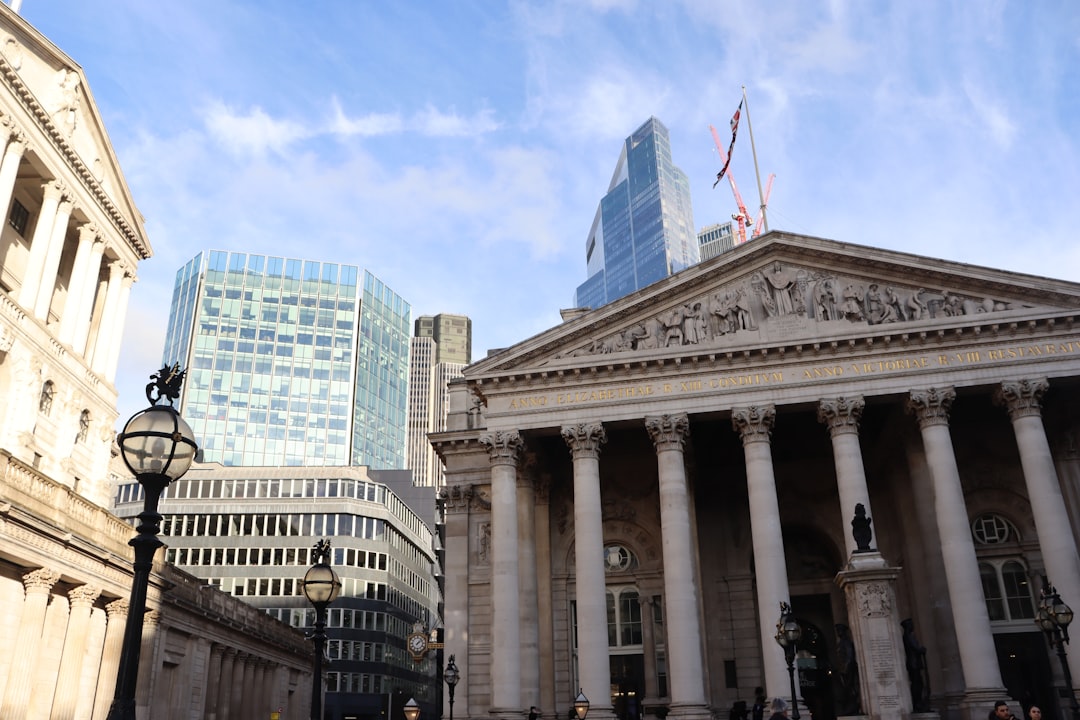
Second rate cut in two months trims borrowing costs and reignites liquidity across U.S. CRE.

A 54% YoY sales jump and $1.1 B trophy trades mark a pivotal re-pricing phase in NYC’s CRE recovery.

Population-fueled demand and selective capital discipline keep Florida’s CRE cycle in expansion mode.

Lower yields reduce friction in CRE financing; buyers re-engage while lenders keep covenants tight.
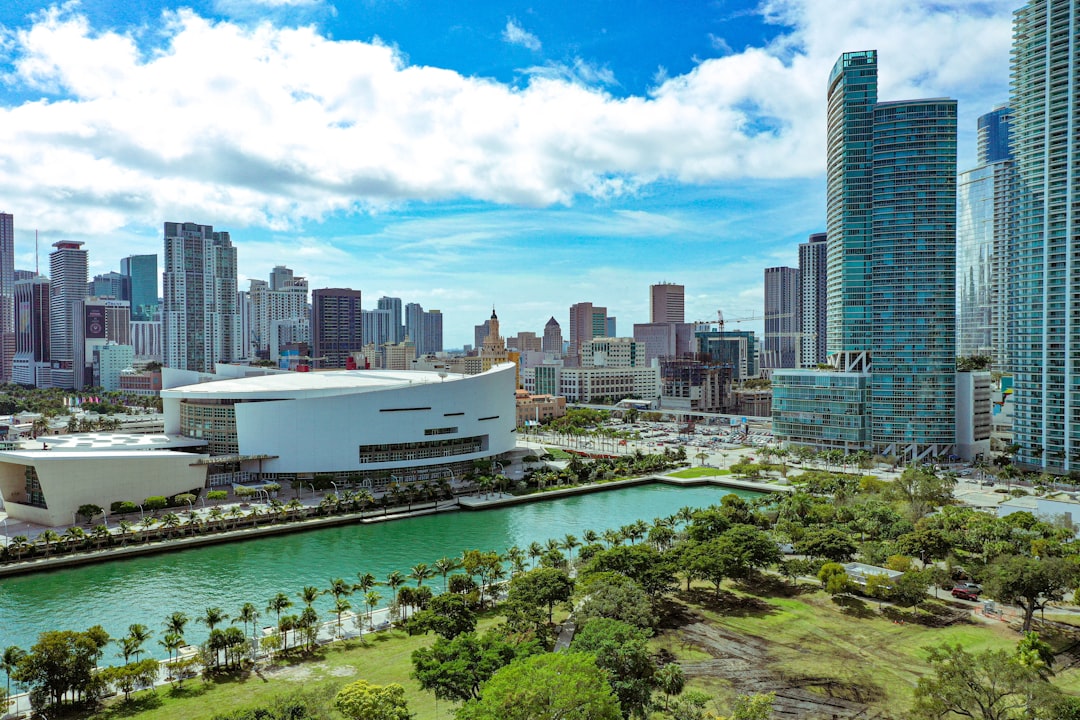
Lower occupancy costs and resilient in-migration keep pricing power tilted to owners—insurance remains the wild card.

Distress signals jump from abstract to benchmark as 1100 Superior resets Midwest office comps.

$140 B in foreign bets on Chinese real estate are unraveling, forcing fire sales and prompting a global capital retreat toward safer markets.

Demand normalizes; capital insists on discipline.

Foreign inflows are recalibrating toward yield, governance, and gateway safety as capital costs reshape cross-border strategy.
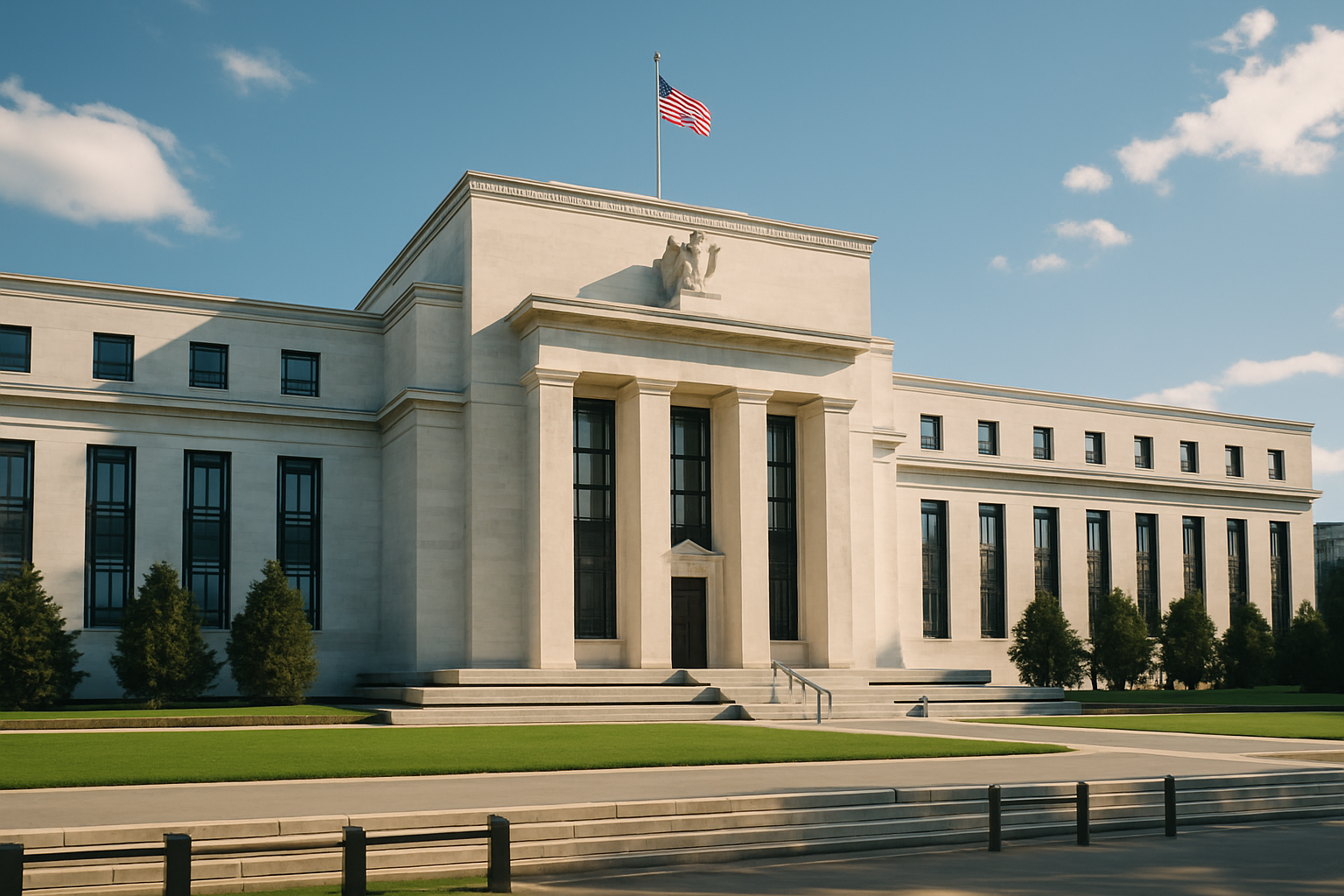
Powell’s signal that quantitative tightening may end reshapes debt costs and sentiment across real estate finance

Degag collapse deepens Europe’s real estate credit strain, prompting tighter underwriting and exposure limits.

Banker departures and M&A contraction signal leaner underwriting conditions across capital markets and CRE.

Green Street’s CPPI edges up, confirming pricing equilibrium and renewed deal flow in U.S. commercial real estate.

Lower policy rates ease borrowing costs, but CRE loan distress and tight credit temper optimism.

A $180M Manhattan loan default pushed office CMBS delinquencies above 8%, reshaping lender risk across the Northeast.

Yields stabilize near 6.8% as investors reengage across net lease sectors.

Large-scale recap confirms lender confidence in necessity retail’s income stability.

Lenders are extending maturities to avoid defaults, doubling CRE loan modifications and deferring risk into 2026–2028.

$27.7 B in CRE loans reworked amid 7% refinancing rates and maturing 2025 debt.
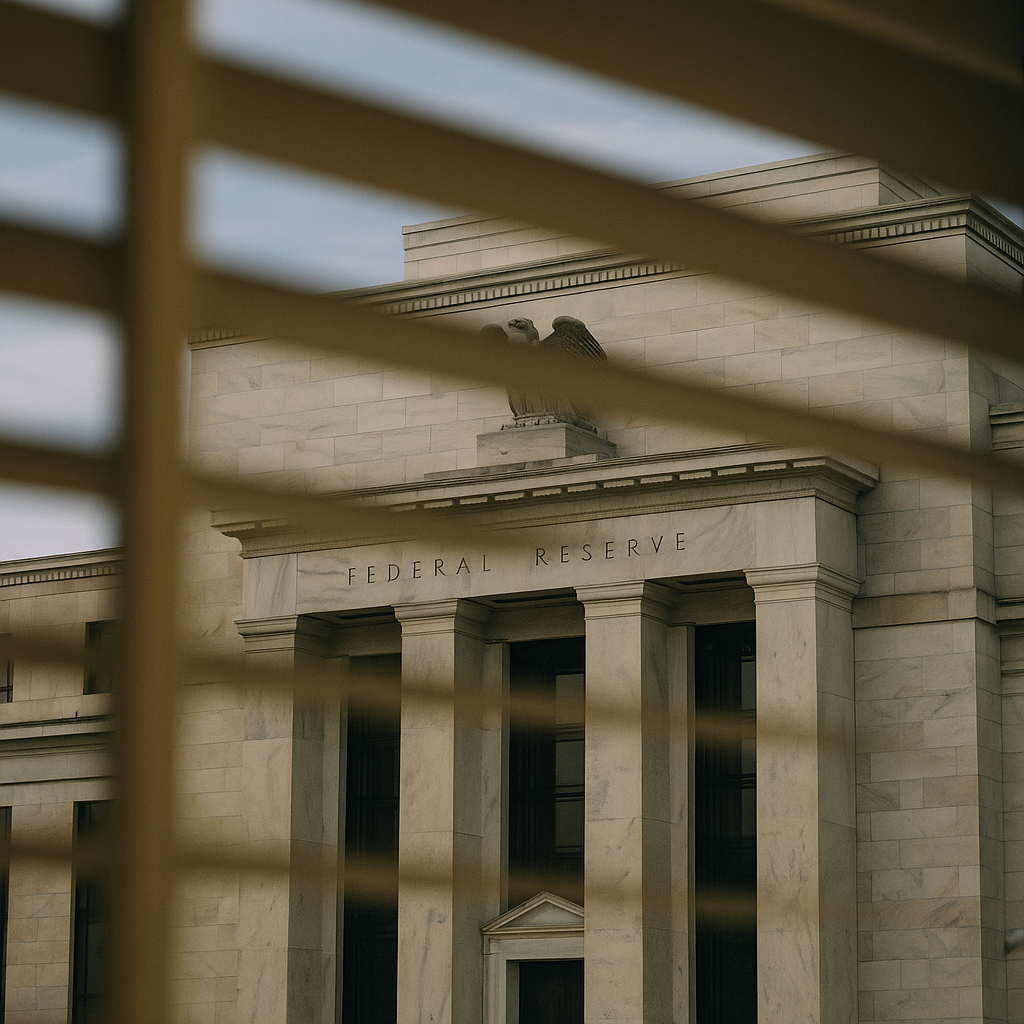
New disclosure rule lets modified CRE loans disappear from public view after 12 months, masking true debt stress.

Divergent sectors force Fed to prioritize inflation control over property market relief.
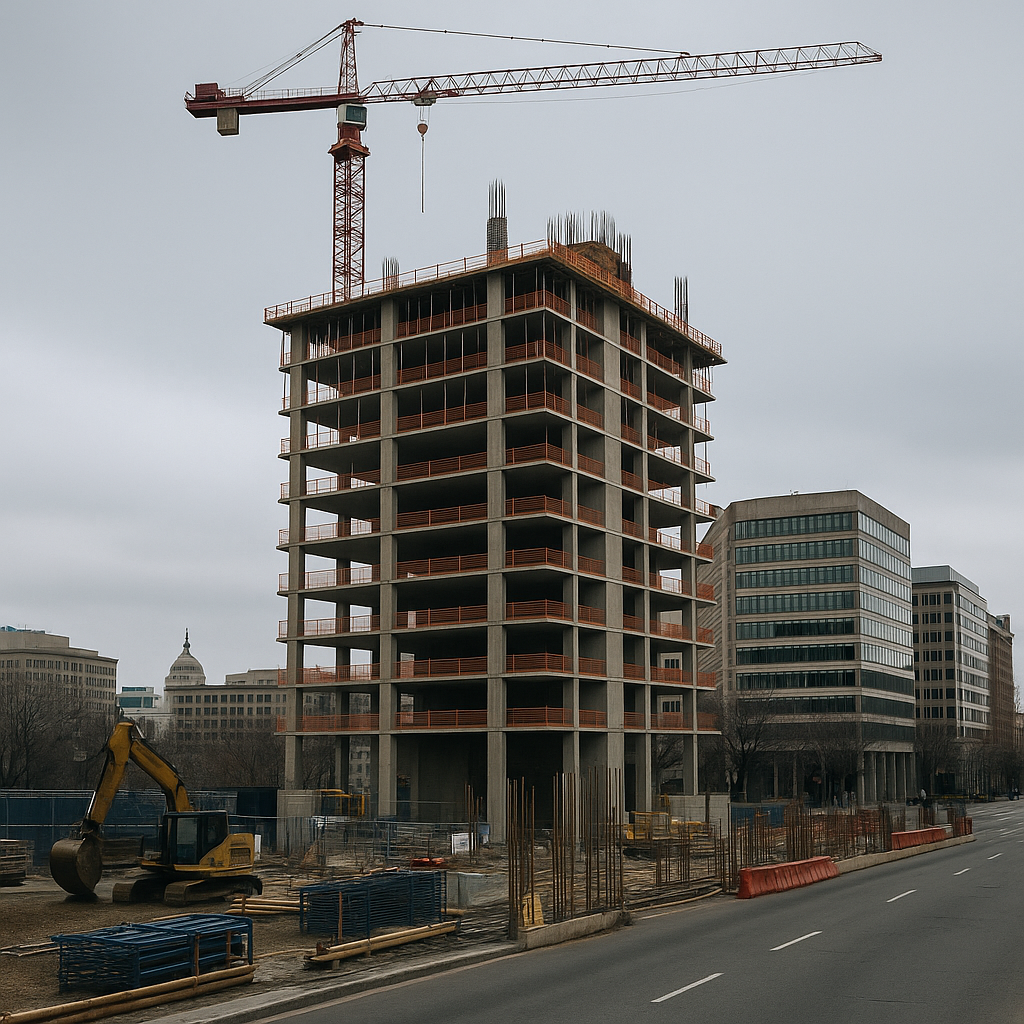
Federal paralysis halts permits, data, and loan programs—raising execution risk and widening spreads across U.S. commercial real estate.

Prices stabilize; modest volume rebound supports underwriting discipline.

Class A assets attract bids near peak while transitional deals sit idle.

CRE transaction volumes up 10% in 2025 as rates plateau, drawing capital back to multifamily, industrial, and debt-backed dealmaking.
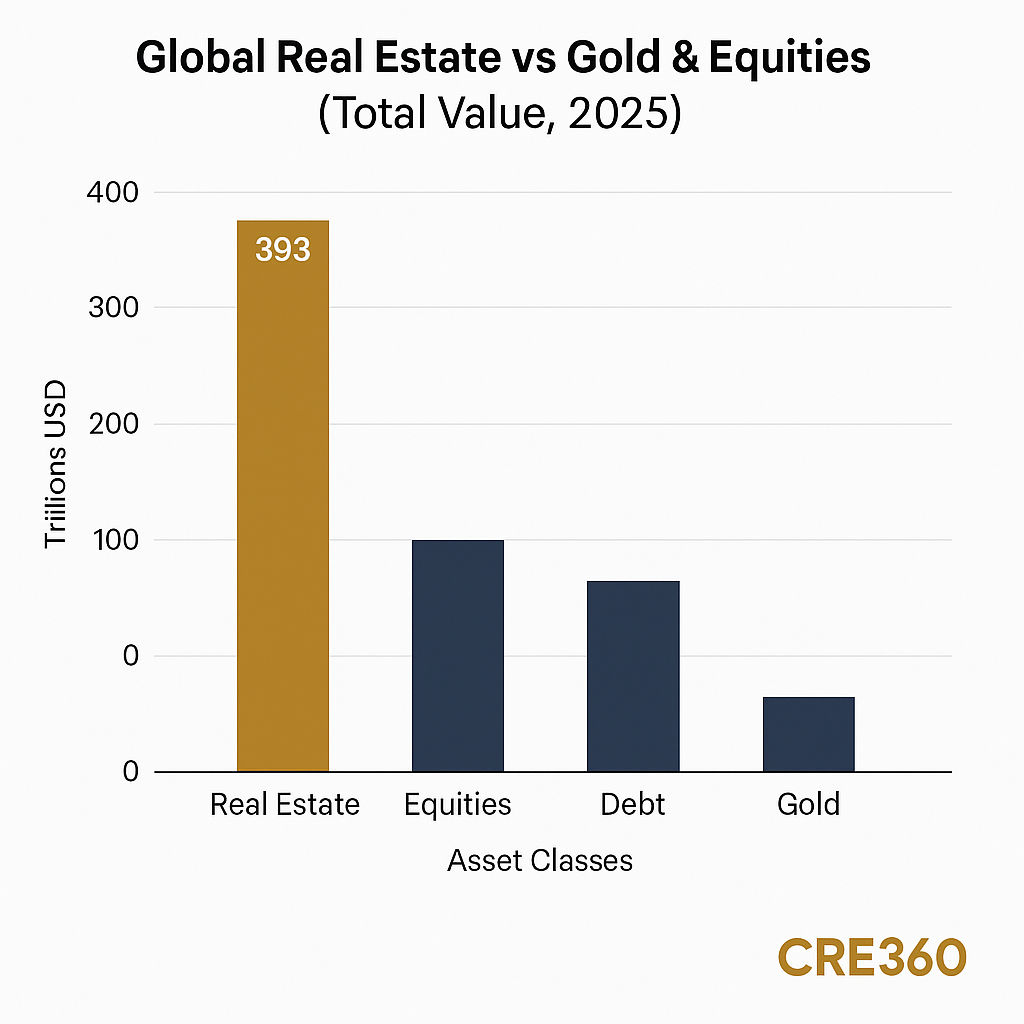
Property is the world’s largest store of wealth — quadruple global GDP and 20× the value of all gold.

State restrictions and waning foreign allocations leave U.S. property reliant on domestic syndicates.
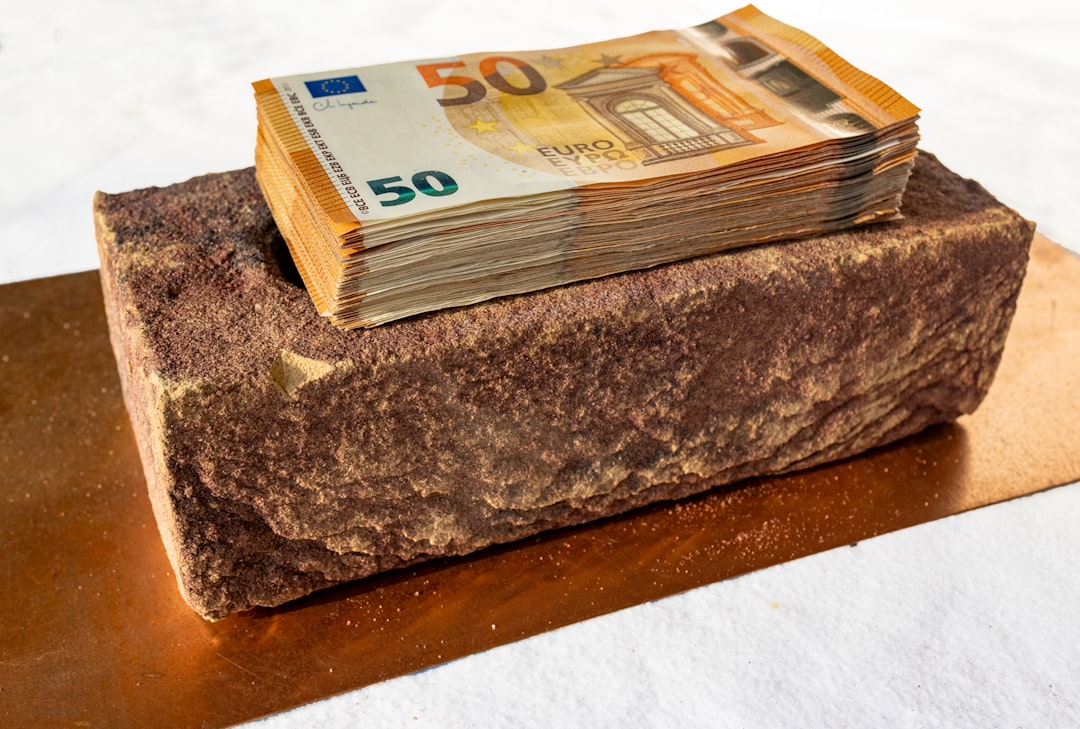
Shrinking foreign inflows leave U.S. CRE reliant on selective capital and domestic syndicates.

Investors pivot from secondary retail toward AI, ESG-compliant assets as capital reallocates globally.

Record deals, double-digit yields, and Golden Visa inflows keep Dubai ahead of global peers.

Early 2025 leasing and survey data signal a tentative floor for B/C office pricing and demand.

Illiquidity deepens as capital shuns equity, favoring debt; stranded assets face stalled sales.

First rate cut in years reduces financing drag, setting stage for renewed deal flow and selective cap-rate relief.

Marathon’s Richards sees rate cuts driving buyouts, private credit, and CMBS demand.
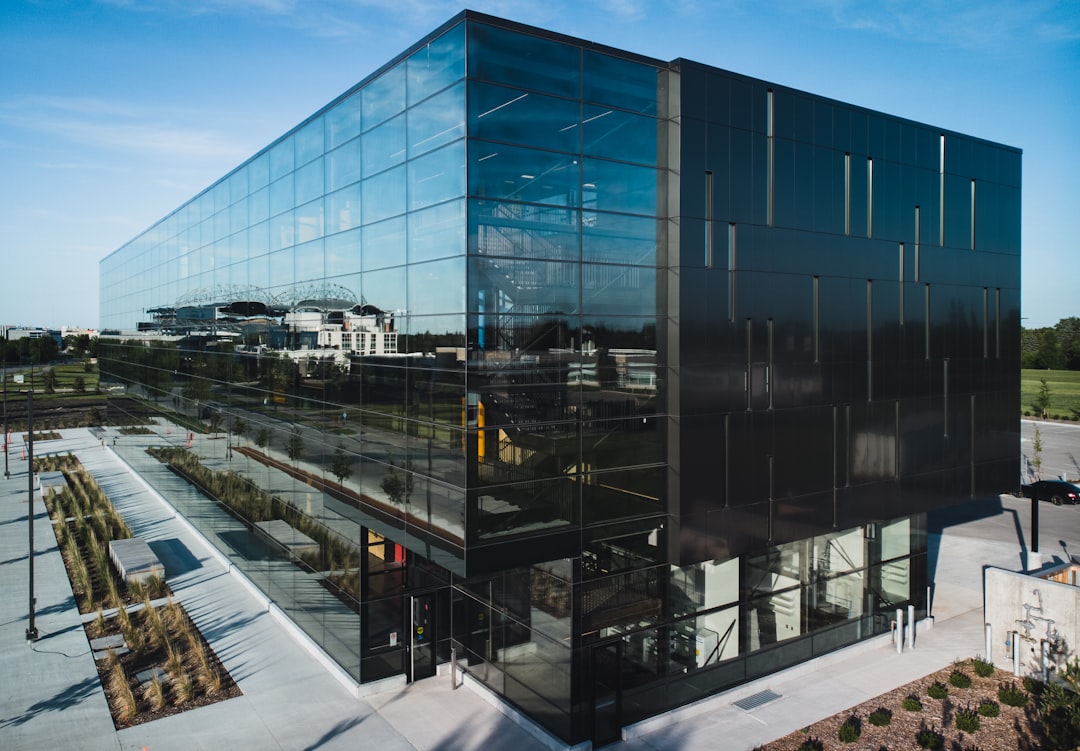
First major public-to-private office deal signals patient capital returning to NYC and SF trophy towers.

Swift leadership transition signals governance strength and renewed liquidity for CRE’s largest private

Origination and issuance tick up as non-banks re-enter; banks stay selective, terms improve modestly for well-structured deals.
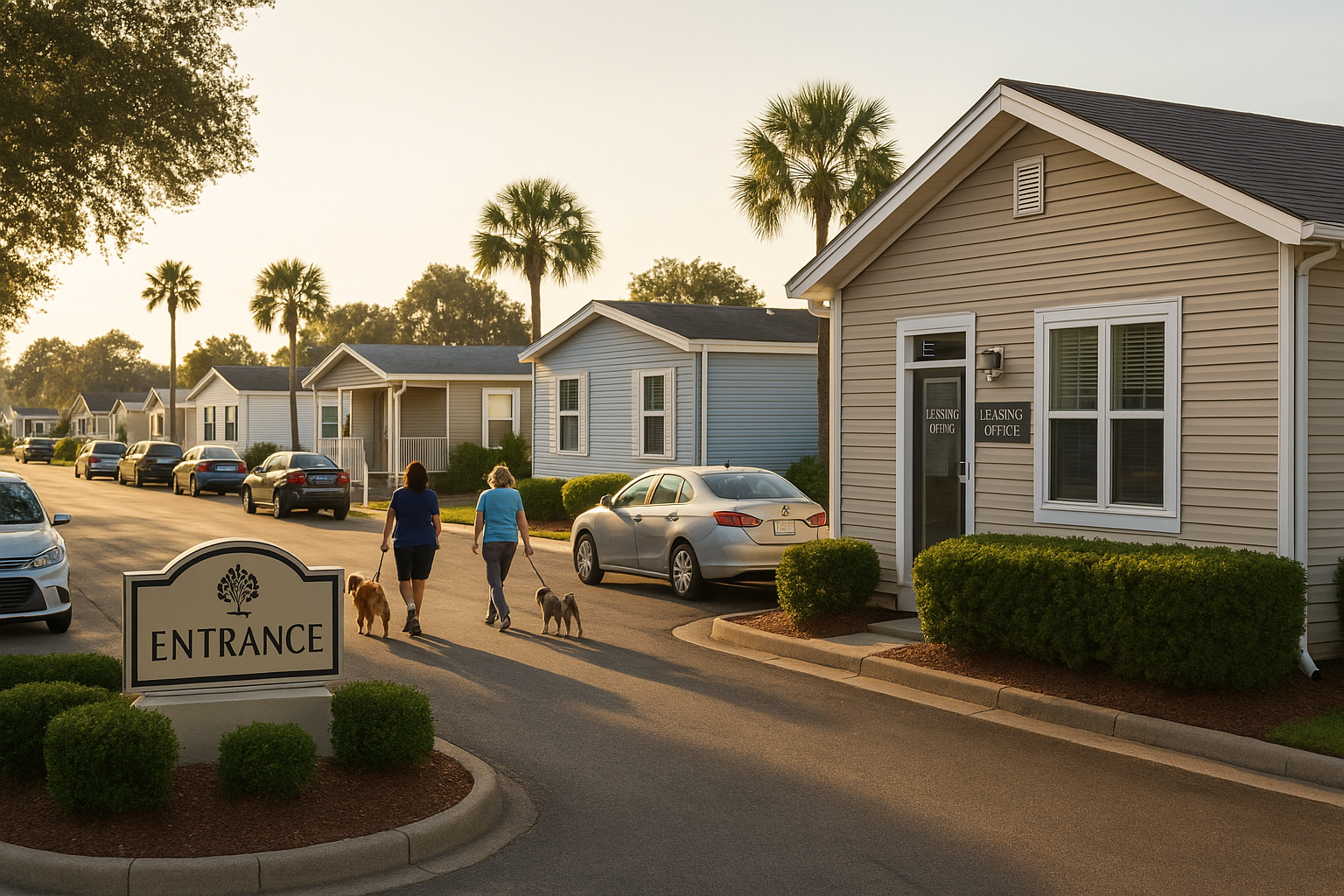
Big-check capital targets manufactured housing for durable yields and low capex.

PJM capacity costs jump 6× as hyperscale projects flood Pennsylvania, raising financing risk for CRE linked to power-intensive users.

Public-private deal unlocks stadium plus 6,000 homes; muni bonds fund infrastructure, private equity funds venue.

MSCI data shows first back-to-back annual gains since 2022

Fed's anticipated rate cut to lower borrowing costs, impacting CRE financing positively.

Three rate cuts in 2025 expected; impacts CRE cost of capital and financing plans.Date & Sources: September 12, 2025. Reuters, Morgan Stanley, Deutsche Bank.
Brent drops to ~$67, WTI ~$63 as inventories build; logistics see marginal cost relief but weak demand looms
Consumer prices overshot expectations, but labor weakness keeps the Fed on track for a likely September rate cut.

Regional banks remain cautious on CRE, pushing more flow to private credit.

Softer PPI and labor revisions pushed spot gold to ~$3,637/oz, just shy of a fresh high. Markets lean to a September cut as the 10-year grazes 4%.

30-year mortgage rates dropped to 6.49%, the lowest since October 2024. Refinancing surged and purchase applications gained, signaling a rate-sensitive rebound in demand.

Cottonwood raises $1B “special situations” fund, doubling target as investors chase distress opportunities in a frozen CRE market.

Spot gold holds just below all-time highs, reflecting rate cut expectations and macro caution. Allocators are tilting into real assets and secured credit, creating knock-on signals for CRE capital flows.
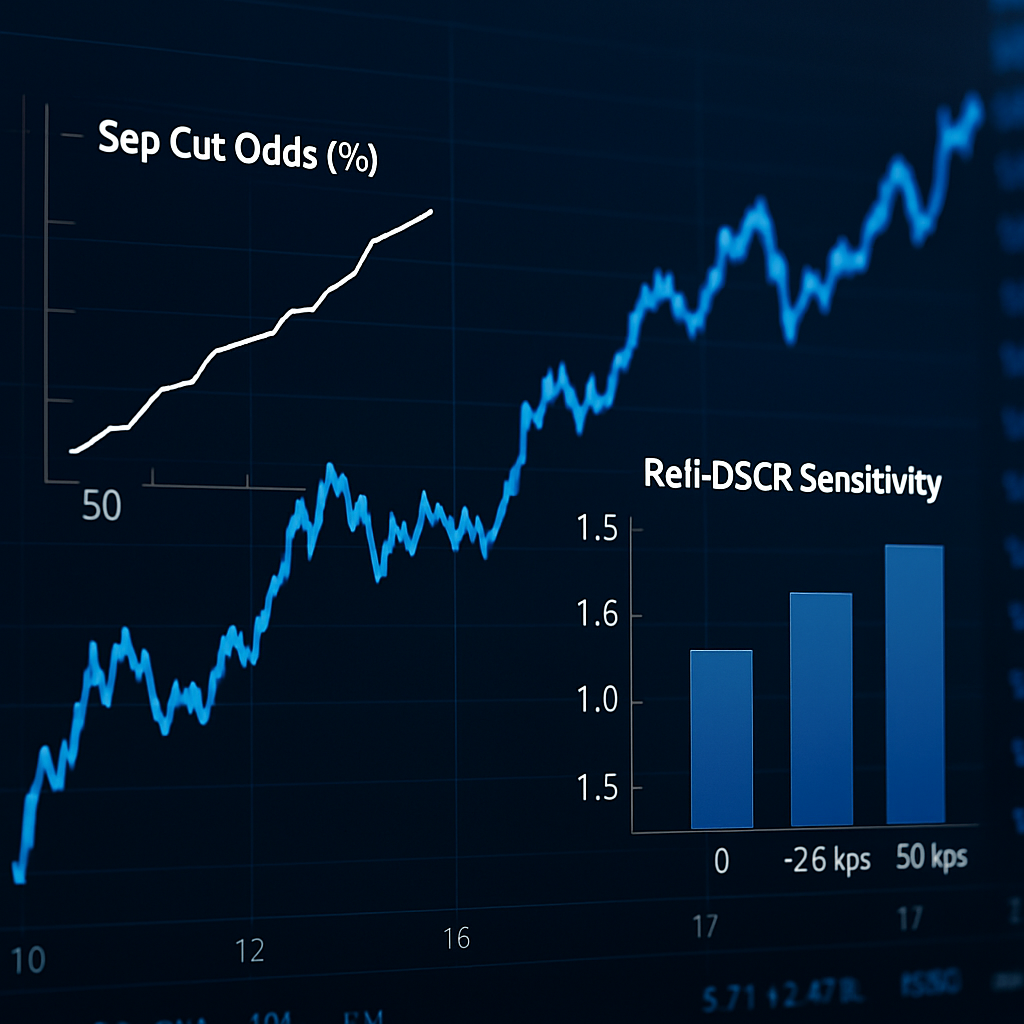
Markets now assign ~90% odds to a September Fed cut, with some banks calling 50 bps. Relief boosts refi math but doesn’t change long-run cap-rate expectations.

Yen weakens after PM resignation, Nikkei rallies, gold near records. Stronger USD/JPY reshapes inbound tourism and Japanese capital flows into U.S. CRE.
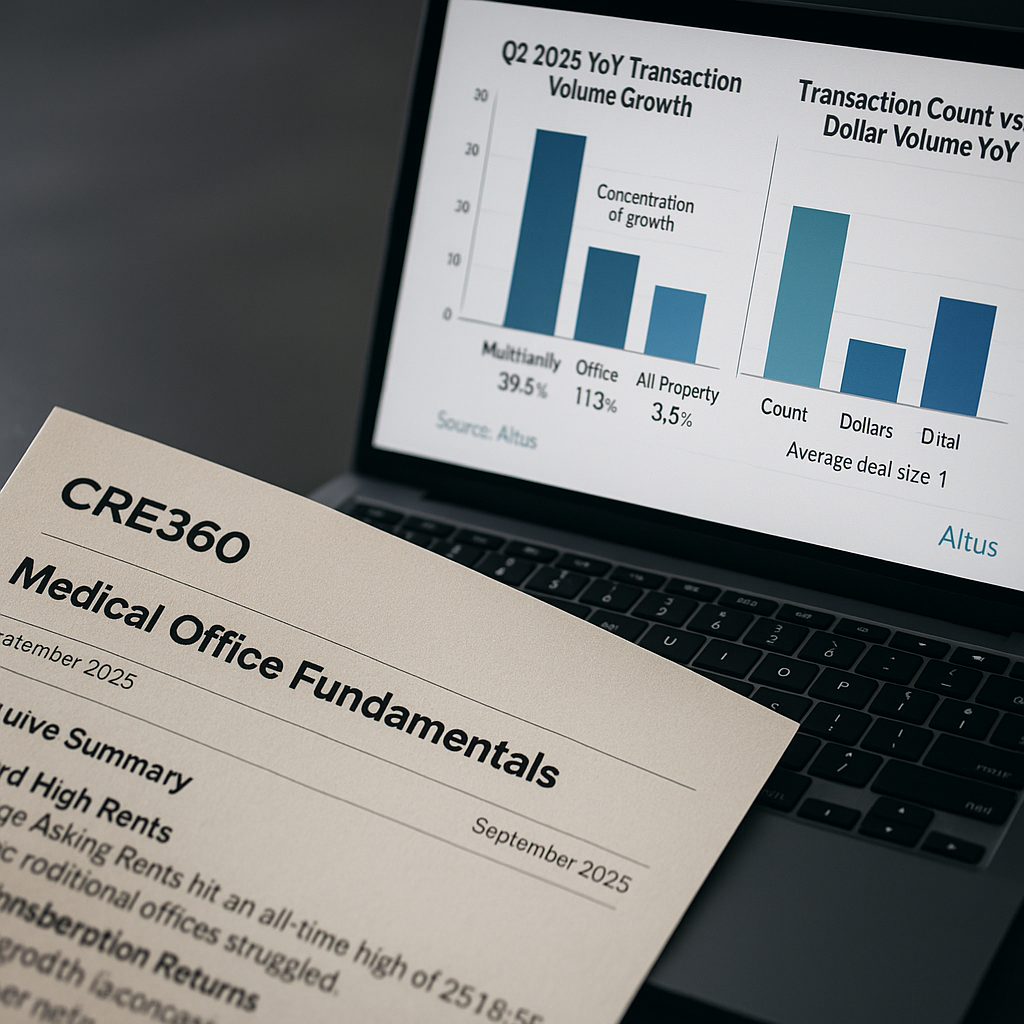
Dollar volume rose even as the market did fewer trades. Large, institutional deals carried Q2 while small and mid-market liquidity thinned. Sep 2025. Source: Altus Group Investment Trends Report (Q2 2025).

Incremental gains show market resilience; debt costly but available keeps transactions flowing.
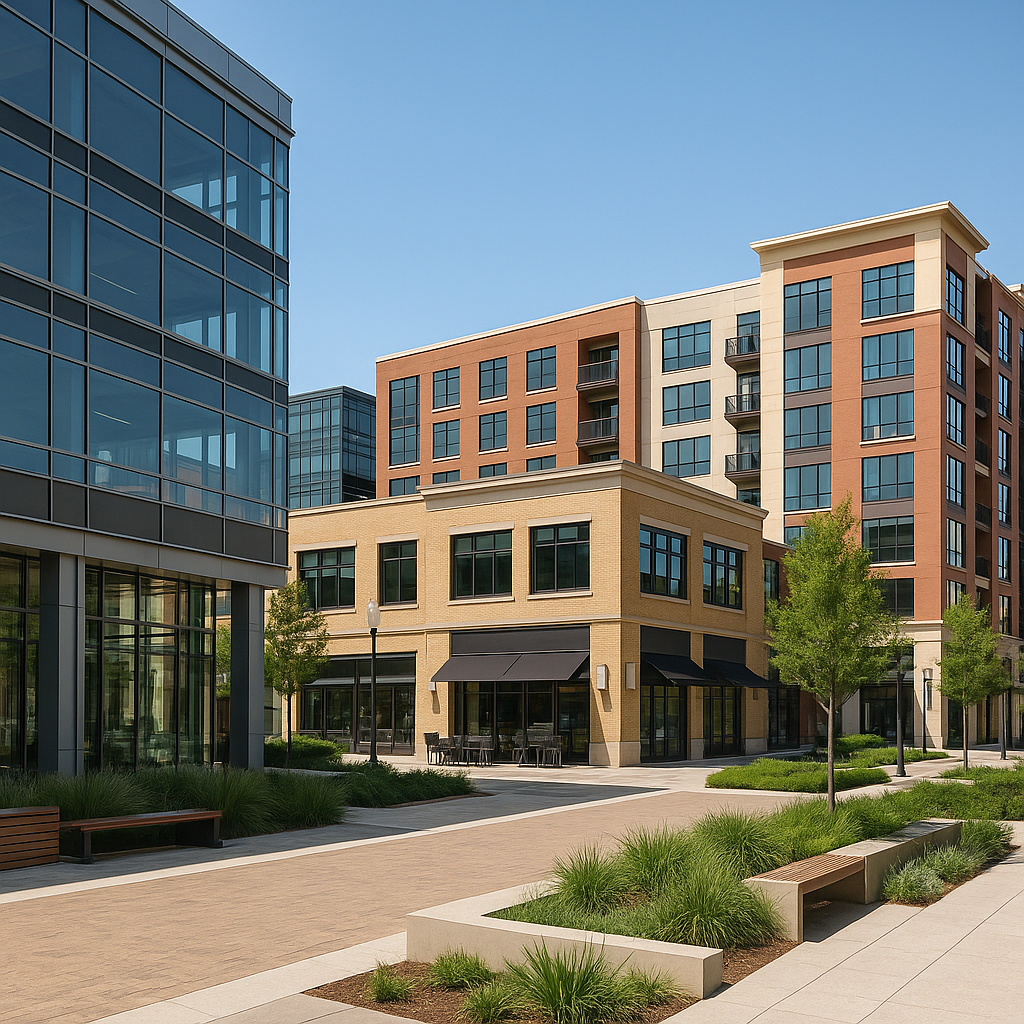
JLL reports lifestyle office markets command 32% rent premiums, twice-as-fast lease-ups, and lower vacancy—signaling a structural shift in office demand.

The RCA CPPI turned positive again. Two straight YoY gains signal a floor, led by retail and industrial while office bifurcation persists

The nation’s largest apartment manager is rolling out pricing calculators, AI tools, and resident-facing transparency measures to sustain NOI in a cooling rental market.

Austin-based firm overshoots targets, signaling LP confidence in mid-market operators despite higher

Nomura revives CMBS platform with Barclays veterans, targeting trophy assets as U.S. banks retrench.

Norwegian Wealth Fund acquires Midtown Tower at 34% discount, signaling major NYC office market shift and key investment trend in commercial real estate.

U.S. commercial real estate investment sales surge 16% in H1 2025, with $163.6B in transactions as private buyers drive market recovery amid selective price stabilization.
Commercial real estate lending rebounds in Q2 2024, with 66% year-over-year growth as banks and debt funds return to market, driven by stabilizing rates and improved underwriting confidence.

Sources: Altus Group, GlobeNewswire, GlobeSt
Trusted Daily
40,000+
Daily Subscribers
Brokers, investors, developers, and lenders open CRE 360 Signal™ every morning for the market intelligence that moves their decisions.
Free. Independent. Editorially rigorous.
Follow the Signal
Add your profile URLs from the Editorial Desk → Social links.