

🚨 Oil retreated on U.S. demand softness and inventory builds, extending a summer slide. Brent and WTI both sit near 15-month lows. CRE impact is nuanced: bulk logistics operators get a modest opex reprieve on fuel, but oversupply-driven price weakness may indicate softer freight demand ahead.

Brent: ~$67/bbl; WTI: ~$63/bbl (Reuters).
EIA: Inventory builds reinforce oversupply risk (Reuters).
OPEC+: new supply volumes start Oct 2025 (Reuters).
U.S. CPI transport index up 3.1% YoY vs. diesel down 6% YoY (EIA/BLS).

Loan Performance. Energy-linked disinflation marginally lowers CPI prints, reducing bond yields and helping CRE debt sentiment. Loan coverage for floating-rate deals could improve if lower oil helps Fed confidence in cuts, but credit underwriting still requires conservative DSCR assumptions.
Demand Dynamics. Lower diesel and gasoline provide tenants with short-term relief, but softer oil demand aligns with muted goods flows. Industrial leasing for 3PLs may slow into year-end if freight indices confirm weaker shipping volumes. Occupancy risk persists in secondary bulk markets.
Asset Strategies. Developers should not over-adjust rent growth expectations based on cheaper fuel. Construction contracts should maintain 5–10% escalation reserves since oil is only one component in asphalt, plastics, and transportation. Operators can renegotiate vendor and trucking fuel surcharges to lock in savings.
Capital Markets. Cheaper oil reinforces disinflation optics, strengthening the case for Fed easing. This indirectly improves CRE credit spreads. However, oversupply-driven weakness points to softer macro demand—capital allocators should remain cautious about underwriting bullish freight or retail-linked assumptions.

Oil drop = small opex relief, but weak demand signal.
Don’t expand rent assumptions based on fuel.
Maintain build cost contingencies.
Fed easing bias supported by disinflation optics.
🛠 Operator’s Lens
Lock in vendor fuel adjustments now.
Keep GMP allowances intact—don’t cut contingencies.
For industrial underwriting, trim transportation opex, but don’t overstate rent upside.

Weekly EIA inventory releases and diesel spreads will dictate near-term freight costs. OPEC+ October volume increases could extend the oversupply cycle. For CRE, the focus remains on how Fed policy reacts: if cheaper oil accelerates rate cuts, debt costs ease, but demand signals for logistics tenants may soften into holiday season.

Reuters — link
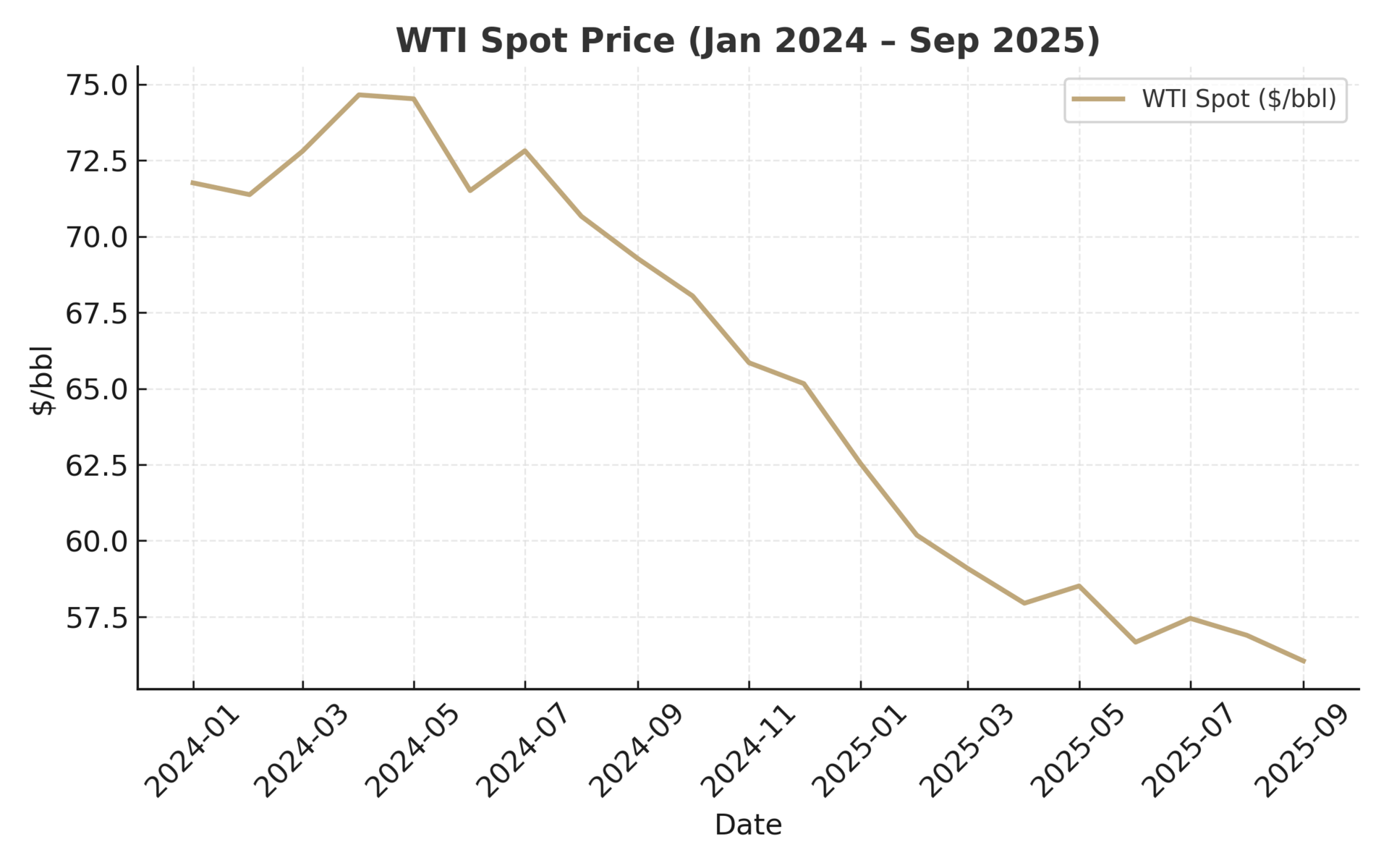
Chart 1. WTI Spot Price (Jan 2024–Sep 2025)
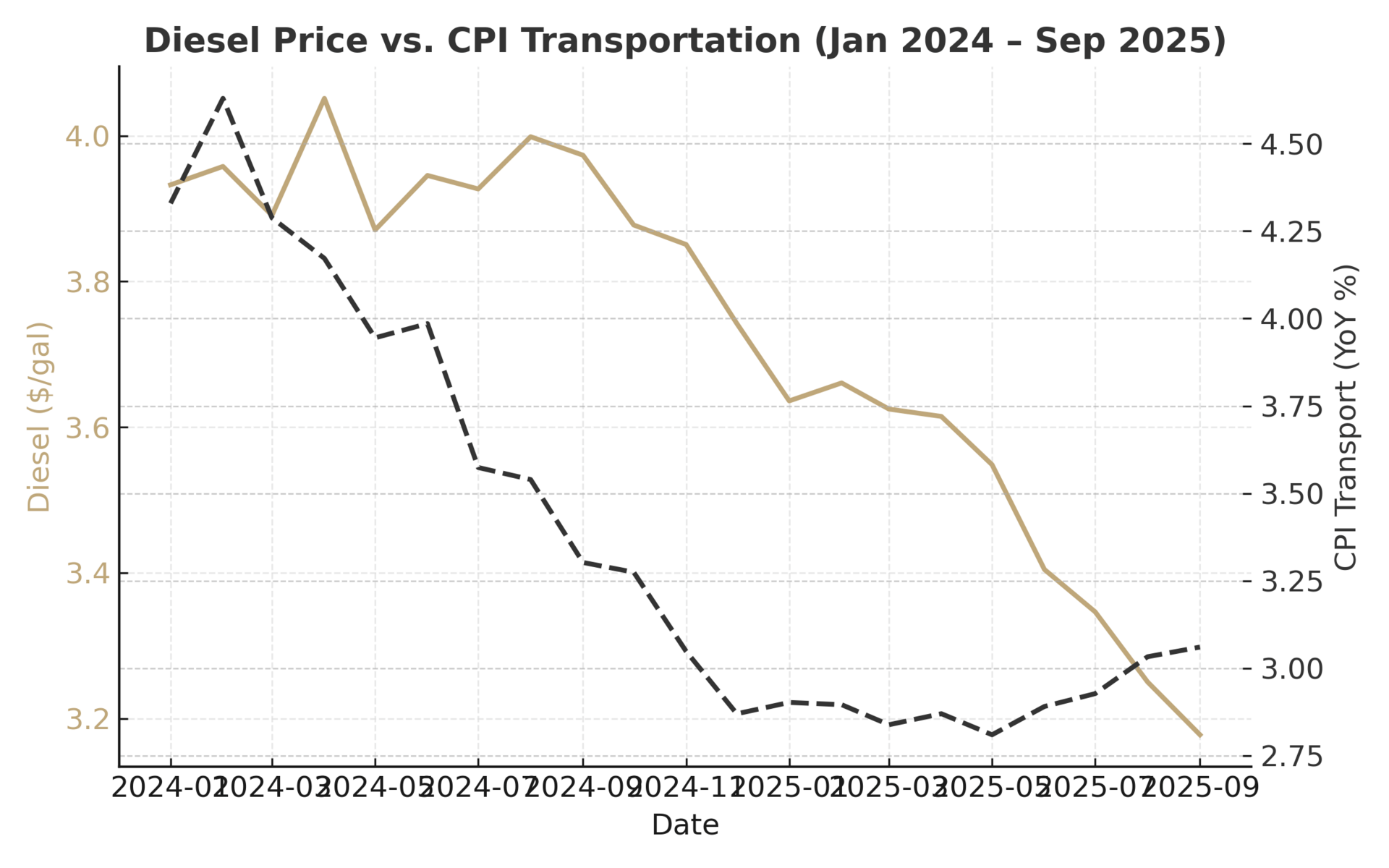
Chart 2. Diesel Price vs. CPI Transportation Index (Jan 2024–Sep 2025)

Never miss a Signal
Get the daily brief that busy CRE professionals rely on.