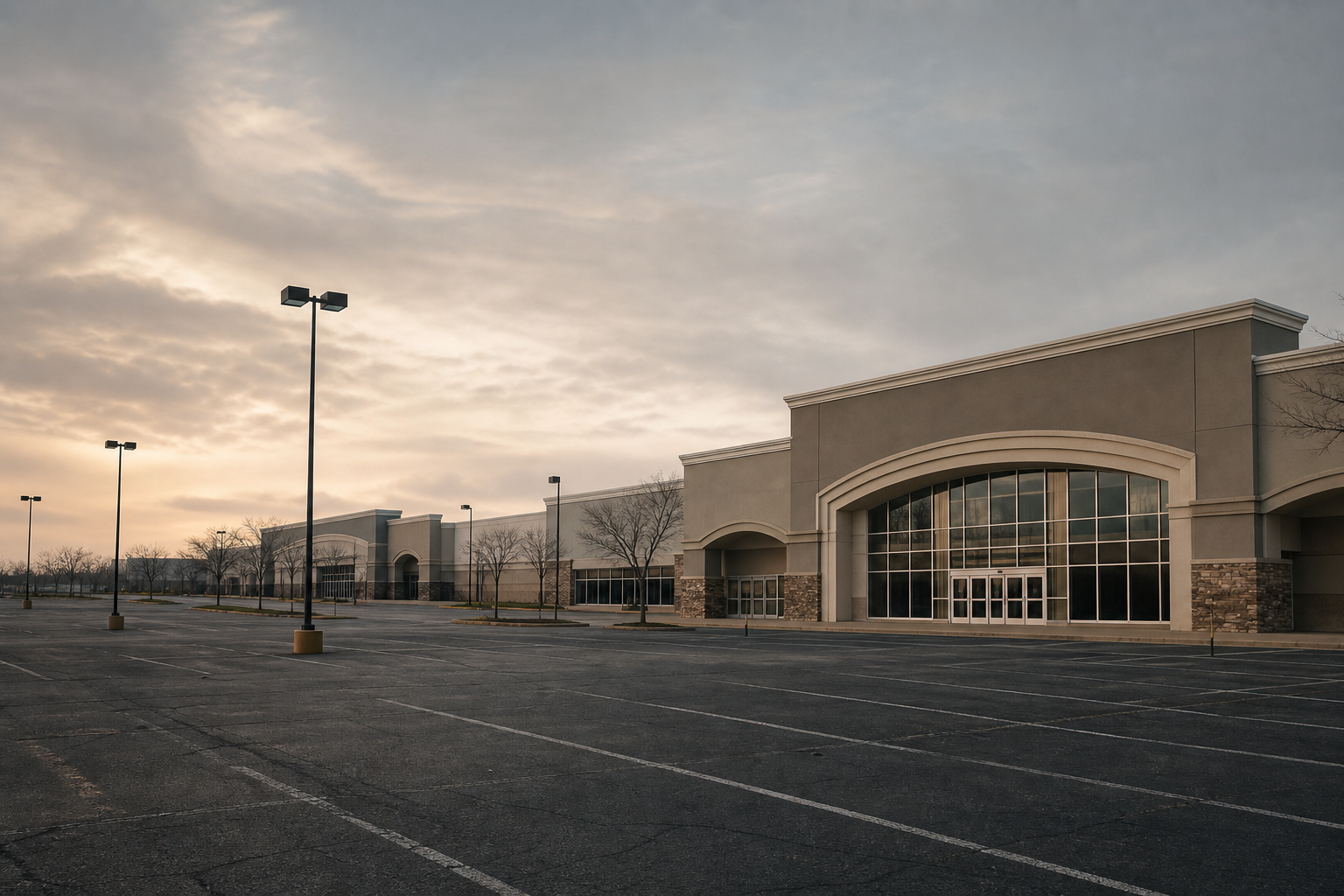
Tourmaline Capital of San Diego, operating locally as Lacey South Sound LLC, acquired South Sound Center - 384,153 square feet at 711 SE Sleater Kinney Road in Lacey, Washington, an Olympia suburb - for $44.1 million, roughly $115 per square foot. Seller Capital Development Company developed the center and held it for approximately six decades.
- The anchor lease came first. The sale came second.
- $115 a foot is below most replacement-cost math for anchored retail.
- A sixty-year hold ends when the asset is at its most financeable, not its most tired.
The sequencing is the story. Trader Joe's signed a ten-year lease and opened in November 2025. The center traded roughly nine months later.
That order is deliberate. A grocery-anchored center with a fresh decade of term from a high-credit, traffic-generating anchor is a fundamentally different financing proposition than the same center with three years of anchor term remaining. The seller manufactured the exit by re-anchoring first.
For a family or closely held company exiting a sixty-year position, that sequence converts a generational asset into a clean institutional product. Buyers underwrite the anchor term. Lenders size to it.
The basis deserves attention. At roughly $115 a foot for 384,153 square feet, the buyer is well below what it would cost to build anchored retail of this scale today - before accounting for the entitlement difficulty of assembling a dominant regional center in an established suburb.
That is the retail investment thesis in its current form. Nobody is building this. Nobody can. The only way to own it is to buy it. Lacey itself is the under-covered element: this is the Olympia market, a state-capital economy in the South Sound, not Seattle. Institutional retail capital reaching into secondary Pacific Northwest markets at this size is a genuine signal.
Implications
For owners of anchored retail contemplating an exit, the playbook is explicit: renew the anchor first, sell second. The lease term is not merely a value component - it determines the buyer pool and the debt available, and both of those set the price.
For buyers, the diligence question is what sits behind the anchor. A dominant regional center at $115/sf is attractive if the inline tenancy is stable and the anchor draws traffic the shop space converts. It is a different asset if inline occupancy is thin and the grocery store is carrying the center alone. Neither inline occupancy nor the rent roll was disclosed.
The structural read is about supply. Grocery-anchored retail is one of the few property types where existing stock is effectively irreplaceable - land assembly, entitlements and anchor relationships cannot be recreated at today's costs. The risk is concentration in the anchor: ten years of Trader Joe's term is excellent for eight of those years and becomes a live underwriting problem in year nine.
Related coverage
Key Takeaways
- Anchor term is not a lease detail. It is the product you are actually selling.
- Renew the anchor first, sell second - the lease term sets the buyer pool and the debt.
- Nobody is building this. The only way to own it is to buy it.
Commercial Real Estate Direct, August 24, 2026 - https://crenews.com/2026/08/24/lacey-wash-retail-center-sells-for-44-1mln/ · Newmark press release - https://www.nmrk.com/insights/press-releases/newmark-facilitates-44-million-sale-of-grocery-anchored-retail-center-in-western-washington · The Registry Pacific Northwest - https://news.theregistryps.com/tourmaline-capital-acquires-384000-sqft-south-sound-center-in-lacey-for-44-1mm/
Never miss a Signal
Get the daily brief that busy CRE professionals rely on.