➤ SIGNAL
A take-or-pay lease converts a development risk into a bond-like cash-flow stream.
The constraint is no longer capital or land — it's power and the creditworthiness of the tenant.
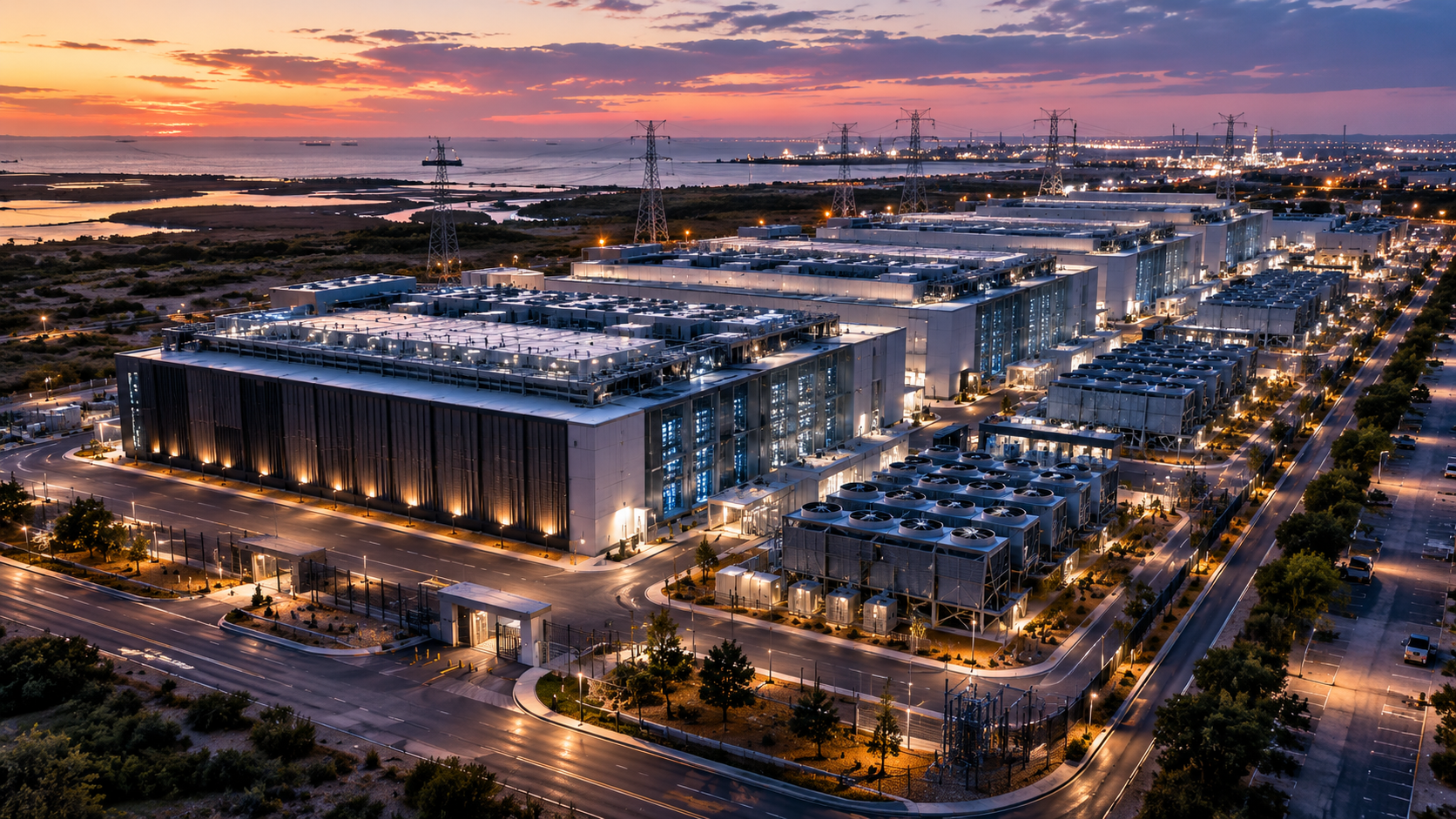
This is what the AI buildout looks like when it hits a rent roll. A single asset, not yet energized, carries contracted revenue larger than the market cap of many mid-cap REITs. The tenant pays whether or not it uses the capacity — that's the meaning of take-or-pay, and it's why lenders treat these leases like credit instruments rather than real-estate cash flows.
The structure matters more than the headline. Triple-net pushes operating cost and risk to the tenant; take-or-pay removes vacancy risk for the term. What's being underwritten here is not a building — it's an investment-grade counterparty's 15-year obligation, wrapped in concrete and copper.
The binding constraint sits upstream. Hut 8 already executed an interconnection agreement for 1 GW of utility capacity — the scarce input. Power, not square footage, now sets the ceiling on this asset class.
Implications For owners and lenders, data-center leases increasingly underwrite like infrastructure credit. The real diligence question is the tenant's balance sheet and the interconnection queue — not comparable rents. For everyone else, this is where capital is actually flowing.
Related coverage
Key Takeaways
- n data centers, you no longer underwrite a building — you underwrite a counterparty and a power contract.
Hut 8 (PR Newswire) / Data Center Dynamics — May 7, 2026 · Tag: Data Centers / Leasing
Never miss a Signal
Get the daily brief that busy CRE professionals rely on.