The Signal:
- Physical retail scarcity, not e-commerce, is the dominant pricing force on the best corridors.
- A guidance raise on street retail is a rent-power signal, not a survival story.
- The best brick-and-mortar is a supply story, and supply is fixed.
Acadia Realty Trust raised full-year 2026 FFO-as-adjusted guidance to $1.24 to $1.26 per share and lifted GAAP net earnings guidance to $0.40 to $0.41, from $0.37 to $0.39. Acadia's core is street and urban retail in supply-constrained corridors.
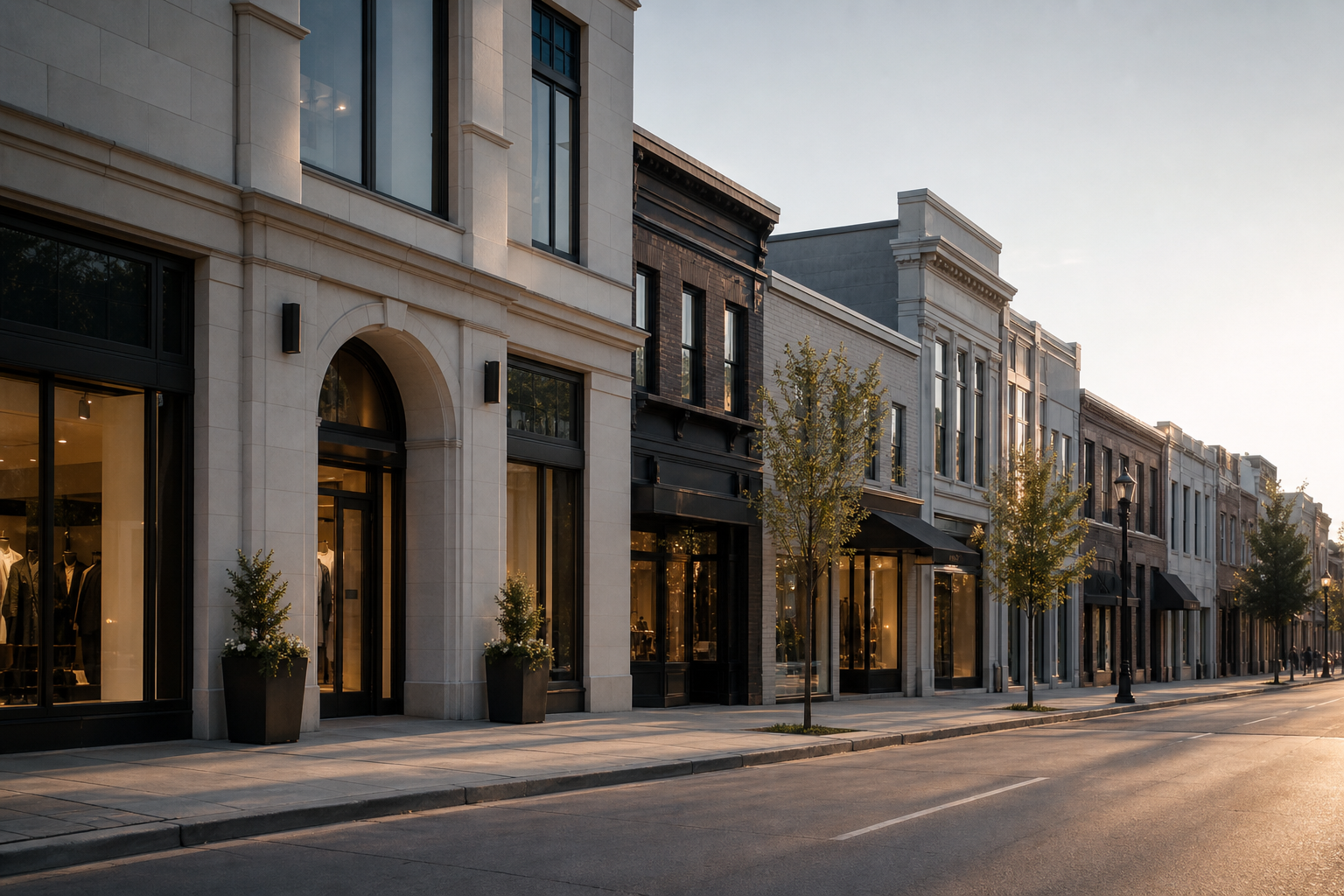
The mechanism is scarcity. Prime urban retail corridors cannot be replicated, so as brands re-commit to physical flagships, rent accrues to a fixed set of locations. Fixed supply plus returning demand is a rent-growth engine.
The structural read is bifurcation inside retail that mirrors office. Irreplaceable, well-located product commands rising rents while commodity space languishes, and the average retail number hides a widening split.
Implications: For owners of prime street retail, the constraint is supply and the trend is rent growth. For developers, replicating high-street corridors is nearly impossible, protecting incumbents. For lenders, credit tenants on irreplaceable corridors underwrite differently than a commodity power center.
Key Takeaways
- The best retail is a scarcity asset, and when the high-street landlord raises guidance, that scarcity is turning into rent power.
- Physical retail scarcity is now the dominant pricing force
- Fixed supply plus returning demand is a rent-growth engine
- The best retail is a scarcity asset turning into rent power
Acadia Realty Trust — Q2 2026 Results (Form 8-K), July 2026 · Commercial Real Estate Direct — REIT earnings coverage, July 2026
Never miss a Signal
Get the daily brief that busy CRE professionals rely on.