📢Good morning, today’s Signals are brought to you by CRE 360 Signal™.
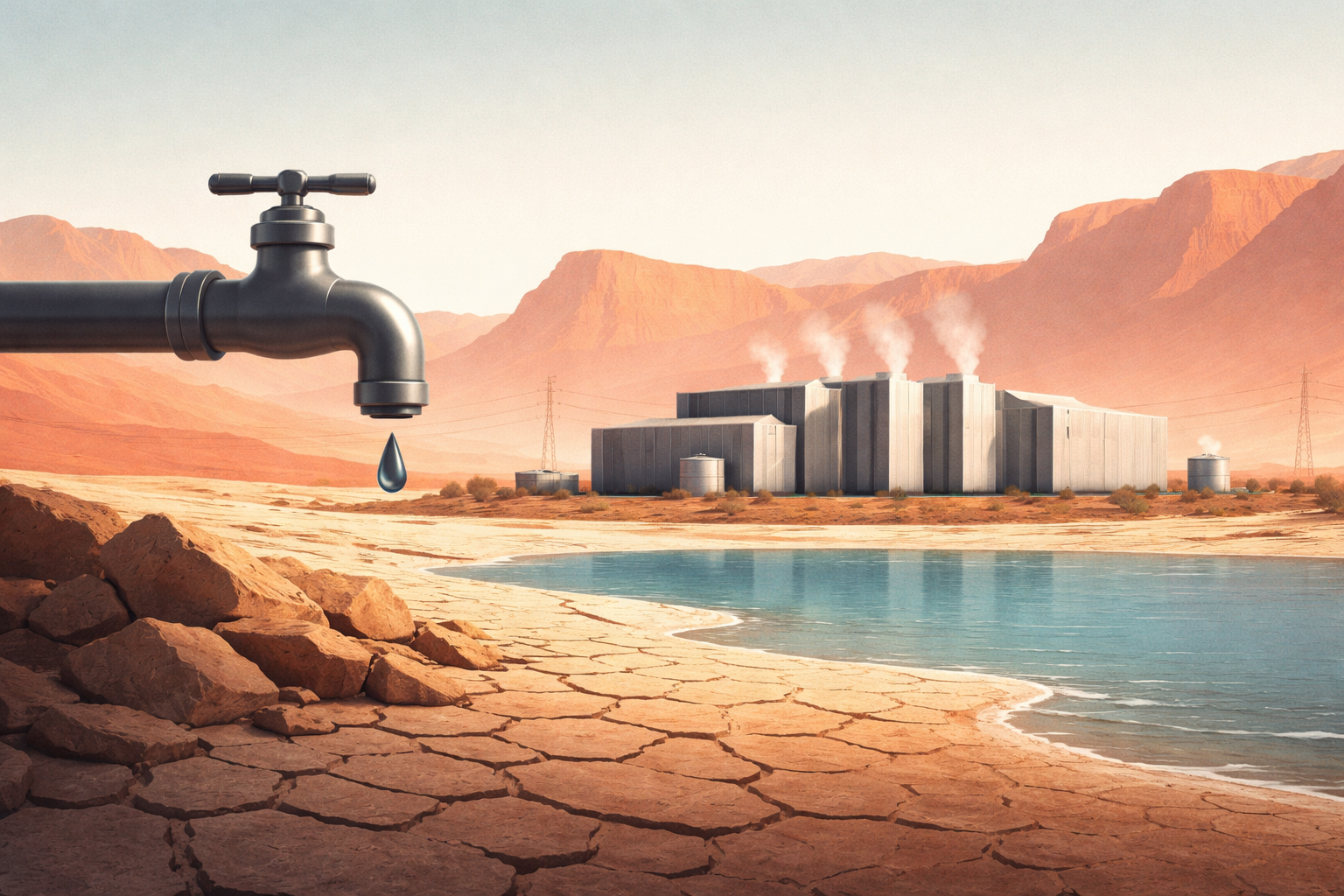
Utah has quietly introduced a new regulatory model for AI infrastructure. A recently enacted law requires large data centers to publicly disclose water consumption, diversion, and discharge. While the measure stops short of restricting development, it creates the foundation for future oversight in drought-stressed regions. As AI infrastructure expands across the United States, similar policies are increasingly likely in states where water scarcity and rapid data-center growth are colliding.
🎧 Busy to read? Catch the Daily Podcast (Subscribe on YouTube, Apple, Spotify)➤ SIGNAL
Utah’s Law Is About Transparency — But the Signal Is Larger
Utah has passed legislation requiring large data centers to report water usage to state regulators and local water districts. Facilities must disclose projected water consumption before construction and submit annual reports detailing water diverted, discharged, and reused.
On paper, the measure appears modest. It does not cap usage or limit development. But the practical impact is different. Water consumption by data centers has historically been opaque. By forcing disclosure, the state has created a dataset that policymakers, municipalities, and advocacy groups can use to challenge future projects.
Transparency is often the first stage of regulation. Energy plants followed the same pattern:
monitoring → reporting → environmental limits.
Utah may have just started that sequence for AI infrastructure.
Why Water Is Becoming a Data Center Issue
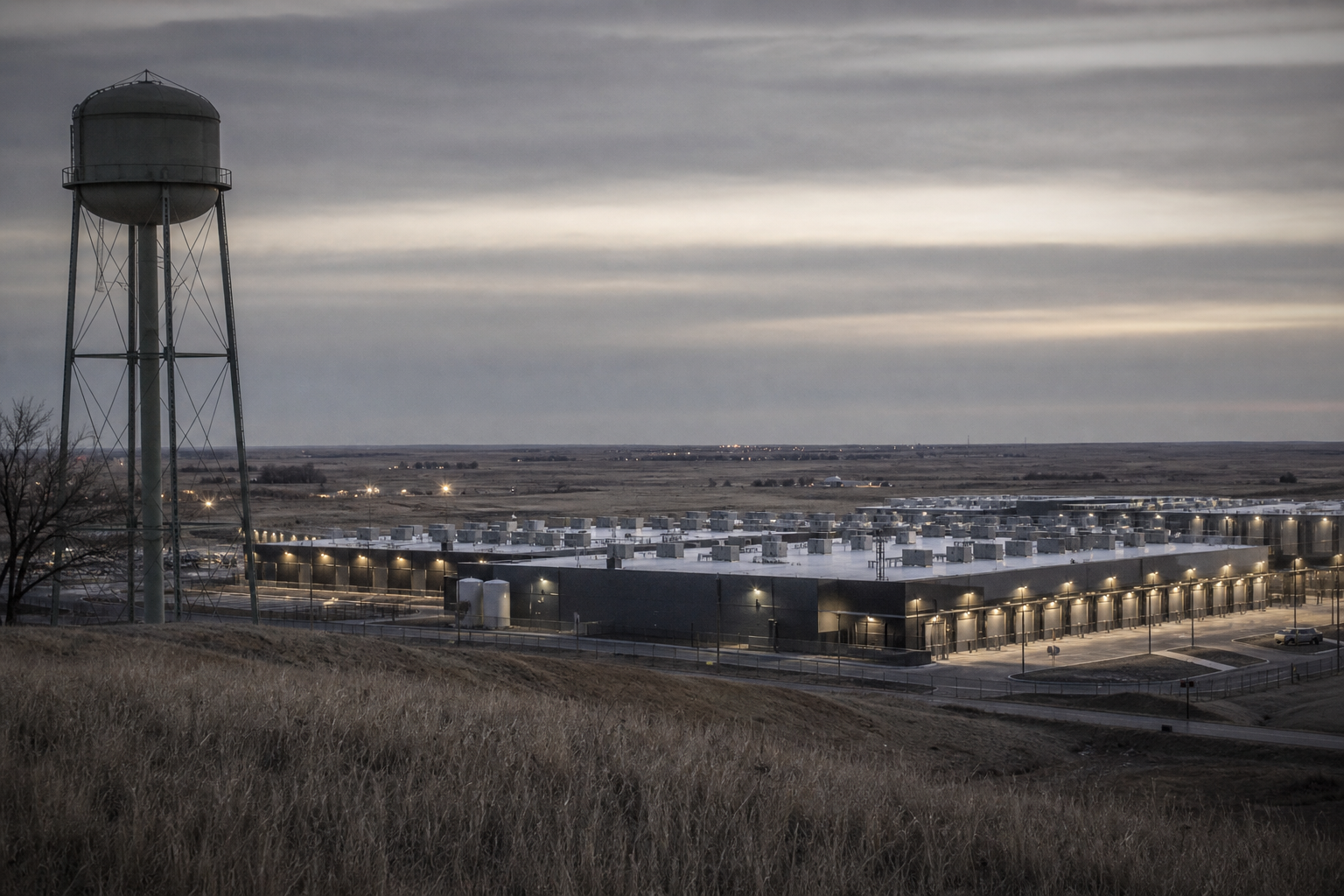
Large AI clusters generate significant heat and often rely on evaporative cooling, which consumes water. A single hyperscale facility can use millions of gallons per month depending on cooling design and climate conditions. That dynamic becomes politically sensitive in arid states where:
drought cycles are intensifying
population growth is increasing water demand
infrastructure projects are competing with residential supply
Once a facility is framed as using “as much water as a small town,” development quickly becomes political. Utah’s law reflects that emerging tension.
States Most Likely to Follow Utah
The states most likely to adopt similar disclosure or restrictions share three traits:
Rapid data center growth
Water scarcity pressure
Public scrutiny around resource allocation
Five states currently sit at the center of that overlap:
Arizona
Arizona has become a major data center hub around Phoenix, but the state is already facing groundwater restrictions. Arizona regulators have begun limiting new housing developments due to water supply concerns. If that pressure intensifies, large industrial water users — including data centers — will inevitably face scrutiny. This state is arguably the most likely to introduce disclosure rules similar to Utah’s.
Nevada
Nevada faces severe long-term water constraints tied to the Colorado River system. Las Vegas has aggressively diversified its economy and welcomed technology infrastructure, but continued drought conditions could place water-intensive cooling systems under political pressure. A reporting requirement would be a logical first step.
Texas
Texas is one of the fastest-growing data center markets in the country, particularly around Dallas. While Texas generally favors minimal regulation, severe drought cycles and local water conflicts are increasing across the state. Rather than statewide rules, Texas is more likely to see municipal-level disclosure or permitting requirements.
California
California already regulates water usage in multiple industries. If large AI clusters expand further inland, state agencies could require reporting similar to Utah’s model, especially during drought declarations. California’s environmental regulatory framework makes it a plausible candidate for future mandates.
Colorado
Colorado sits upstream in the Colorado River system and already manages strict water allocation policies. As data center growth increases in the Denver corridor, policymakers may look to Utah’s law as a template for balancing economic development with water management.
Developers are already adjusting in subtle ways:
adopting air-cooled systems to reduce water consumption
locating facilities in water-abundant regions
negotiating long-term municipal water agreements before site announcements
Regions near the Great Lakes and the Midwest may become increasingly attractive as water availability becomes a competitive advantage.
Key Takeaway
Utah’s law does not restrict AI data centers today. But it marks the moment when digital infrastructure began entering the water-scarcity policy arena. Once resource reporting becomes mandatory, restrictions often follow. For the rapidly expanding AI infrastructure sector, water may become the next major constraint — after power.
CRE 360 Signal™ — Commercial Real Estate Intelligence
▼ EDITORIAL DESK TOP PICKS
Phoenix Multifamily Market Hits the Supply Crest. Record deliveries push vacancy higher as Phoenix apartments absorb demand but struggle to keep pace with new supply.
Construction Market Reality Check – Early 2026. Rising input costs, softer backlogs, and selective demand reshape the 2026 construction outlook.
Transaction Volume Is Back — But Don’t Confuse Activity with Recovery
Capital is re-entering the market, but pricing discipline—not momentum—is driving today’s transactions.Private Equity Continues Buying Public REITs — Take-private deals are accelerating as investors target undervalued listed real estate companies.
AI Is Reshaping Real Estate Decision-Making — Predictive analytics tools are rapidly transforming investment strategy and building operations.
Cybersecurity Risks Becoming Major Concern for Real Estate Firms — Increasing cybercrime is forcing property companies to upgrade digital protections.
CRE Investment Activity Expected to Rise 16% in 2026 — Market forecasts suggest a strong rebound driven largely by income returns rather than appreciation.
Industrial and Multifamily Expected to Lead CRE Recovery — Analysts see these sectors driving the next cycle while office recovery lags.
Apartment Market Showing Early Signs of Turnaround — Multifamily fundamentals may be stabilizing after rent declines in several markets.

Get AI Data Centers Enter the Water Wars in your inbox
Utah’s transparency law signals a new regulatory phase for digital infrastructure.