CRE360 Signal™ — Tuesday, July 8, 2026. The asset class nobody bragged about owning is suddenly the one everyone is competing for. Two summer trades and a decade-high preference reading show cautious capital crowding into a single door — and record pricing is quietly moving the risk from the tenant to the entry basis.
Busy to read? Catch the Daily Podcast.THE SIGNAL
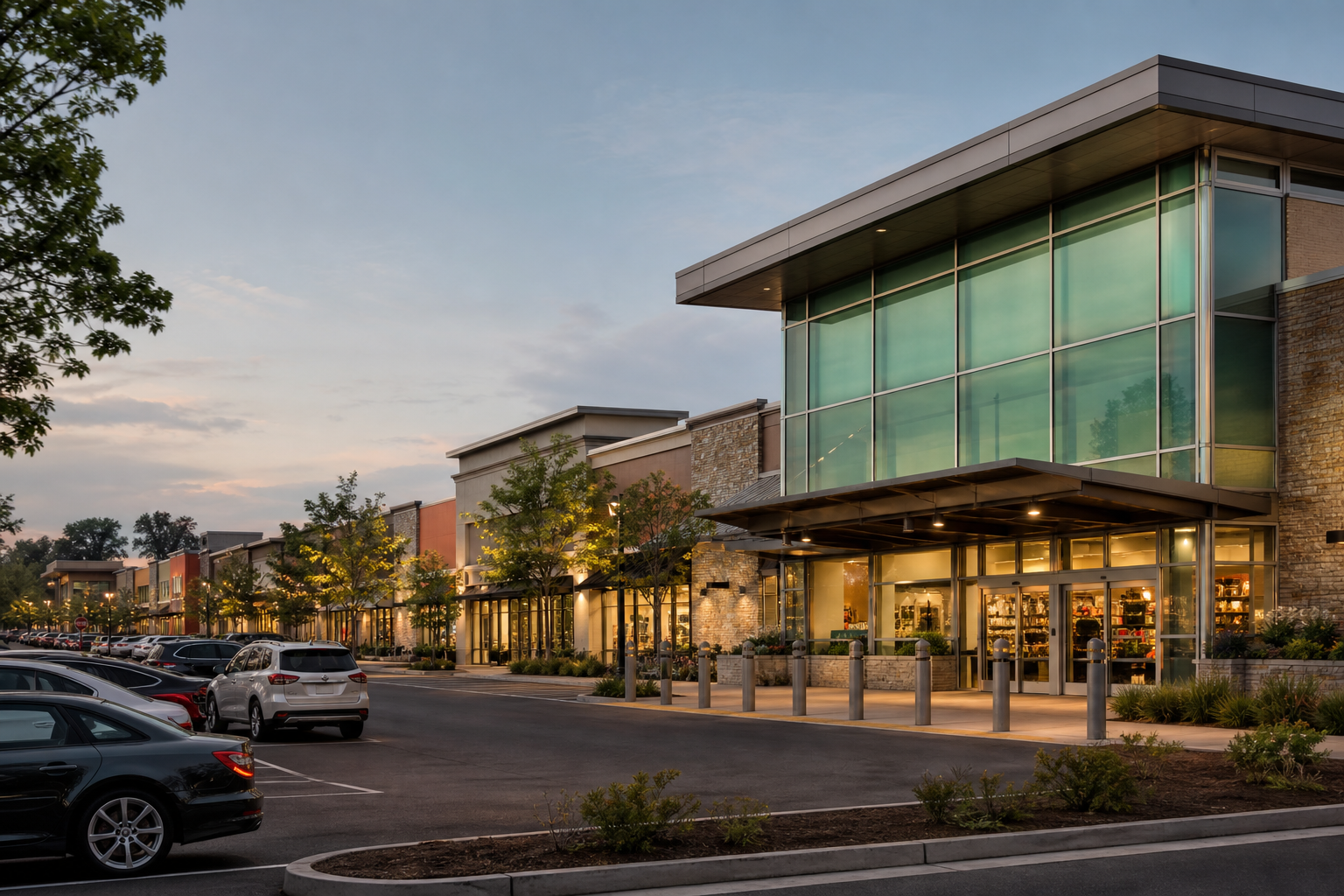
Grocery-anchored retail is having the year defensive capital always promised it would. In late June, a Bain Capital Real Estate and 11North joint venture acquired five open-air centers — 757,000 square feet, 93% occupied, anchored by Walmart, Costco, and Trader Joe’s — for roughly $300 million. Days earlier, Space Investment Partners paid $118.5 million for Fullerton Metrocenter, a grocery-anchored center in Orange County, and the buyer called it the priciest OC retail trade in eight years.
Those are not isolated prints. Grocery-anchored transaction volume ran about $12.8 billion in the four quarters through Q1 2026 by CBRE’s count, and JLL pegged 2025 volume near $11 billion — up roughly 42% year-over-year. The preference data is even starker: 85% of institutional retail investors now name grocery-anchored their single top format.
The demand side isn’t the surprise. The supply side is. Almost no new neighborhood centers have broken ground since roughly 2018, so the standing inventory carries pricing power that other retail formats surrendered years ago.
IMPLICATIONS / OUR READ
The interesting part of this story is not that grocery-anchored is safe. Everyone has known that since the last two downturns. The interesting part is that safety is now expensive — and that changes where the risk lives.
When 85% of a buyer pool agrees on one format, that’s not a diversified market forming a price. It’s a crowd forming at one door. Consensus compresses cap rates fastest precisely where conviction is highest, and record per-foot prints like Fullerton are what that compression looks like in real time.
For the underwriter, that relocates the exposure. Necessity anchors make the cash flow durable, so tenant risk is genuinely low. But paying a record basis for durable cash flow imports duration risk — if rates stay higher for longer, the exit cap you underwrote at today’s consensus may not hold. The tenant is safe; the entry price may not be.
The edge, then, is no longer the thesis — the thesis is priced. The edge is basis discipline and structure: below-market anchor rents with real mark-to-market upside, shadow-anchor risk that’s actually been diligenced, and grocers whose store-level sales support the rent rather than just the logo on the pylon.
STAKEHOLDER LENS
Owners of stabilized centers: a real exit, recap, or sale-leaseback window — institutional demand at a decade high rarely lingers.
Buyers: compete on structure, not story; the winning deals carry embedded rent upside, not the tightest cap.
Developers: the scarcity is the opportunity — the supply drought that created this pricing is also the entitlement case for new necessity retail in under-served trade areas.
KEY TAKEAWAY
Whether record pricing survives the next rate move. Necessity retail is defensive by design, but no asset class is defensive at every basis — and consensus trades are the ones that reprice hardest when the crowd decides to leave through the same door it entered.
When the safest asset class starts trading at record prices, the risk doesn’t disappear — it moves from the tenant to the entry basis.
TODAY’S SIGNALS
Manhattan Just Posted Its Best Leasing Half-Year Since 2002
Big-Box Demand Roars Back: +80.7% Year-Over-Year
Noble Buys 10 Hotels — And Underwrites the Demand Generators, Not the Flag
The Data-Center Bill Comes Due: Taxes, Grid Orders, and a Voter Ban
Sources: ICSC, Schuckman Realty, CBRE Grocery Tracker, JLL Grocery Tracker (June–July 2026). Editorial synthesis and analysis by CRE360 Signal™.
Related coverage
Get Capital Picked Its Safe Haven. It's the Grocery Store. in your inbox
Institutions are paying record prices for necessity retail — and importing new risk to get it.