The Signal:
- The headline monthly dip hides rising prices in the materials that matter.
- Data-center procurement is now the marginal price-setter for key inputs.
- Every developer competes with hyperscale order books for the same steel and switchgear.
June's 1.1% drop in construction input prices reads like relief. It isn't. The decline was energy-driven, inputs are still up 7.6% year over year, and the materials with real exposure — iron and steel up 2.5%, steel mill products up 3.6% — rose against the trend.
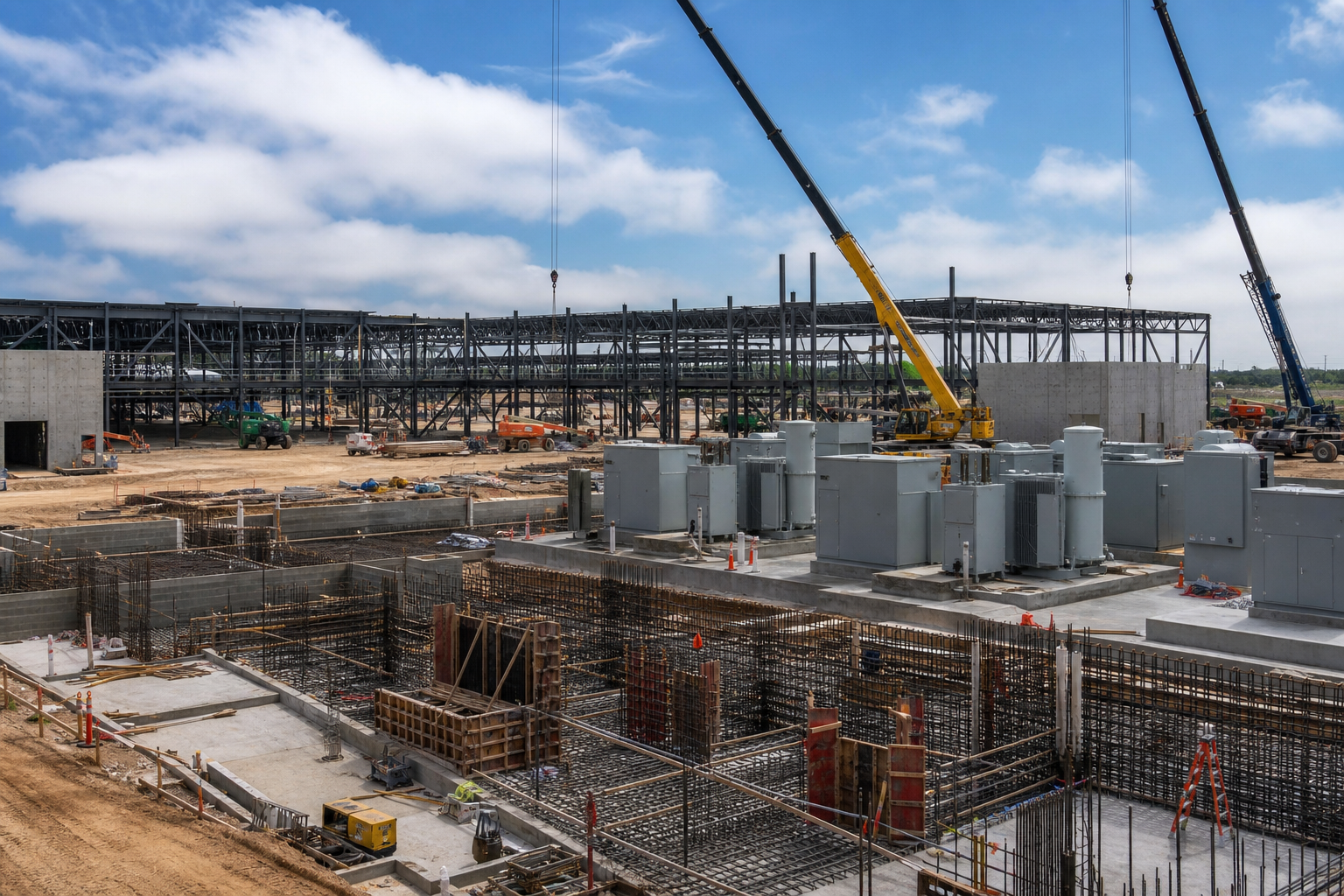
The reason is concentrated demand. Contractor backlog climbed to a 10-month high in May, largely on data-center work, and the strongest price pressure is landing exactly where data centers consume most: power distribution equipment, specialty steel, and cooling.
That reorders who sets the price. When hyperscale developers place outsized orders ahead of schedule, they define lead times and clear the shelf for everyone else. A multifamily or industrial developer is not competing with peers for switchgear — it is competing with a gigawatt of AI capacity.
The structural read ties the day together: the same data-center boom writing 20-year power leases and setting net-lease benchmarks is now the marginal buyer of construction inputs. Its procurement is a cost input on every unrelated pro forma in the country.
Implications: Developers outside the data-center lane should lock pricing and lead times on power distribution and steel early, and build real escalation into contingency — the competing demand is structural, not cyclical. Owners underwriting new starts should treat electrical and cooling equipment as the schedule-critical path, not a line item. For lenders, hard-cost inflation concentrated in long-lead equipment is a completion-risk question as much as a budget one.
Related coverage
Key Takeaways
- The construction-cost story is no longer about tariffs — it is that the data-center boom now sets the price and lead time for the steel, switchgear, and cooling every other builder needs.
- The headline monthly dip hides rising prices in the materials that matter
- Data-center procurement is now the marginal price-setter for key inputs
- Every developer competes with hyperscale order books for the same steel and switchgear
Associated Builders and Contractors / BLS Producer Price Index — June 2026 · Construction Dive — Construction costs dropped in June, will likely tick up again, 2026 · Engineering News-Record — Construction Materials Prices, 2026
Never miss a Signal
Get the daily brief that busy CRE professionals rely on.