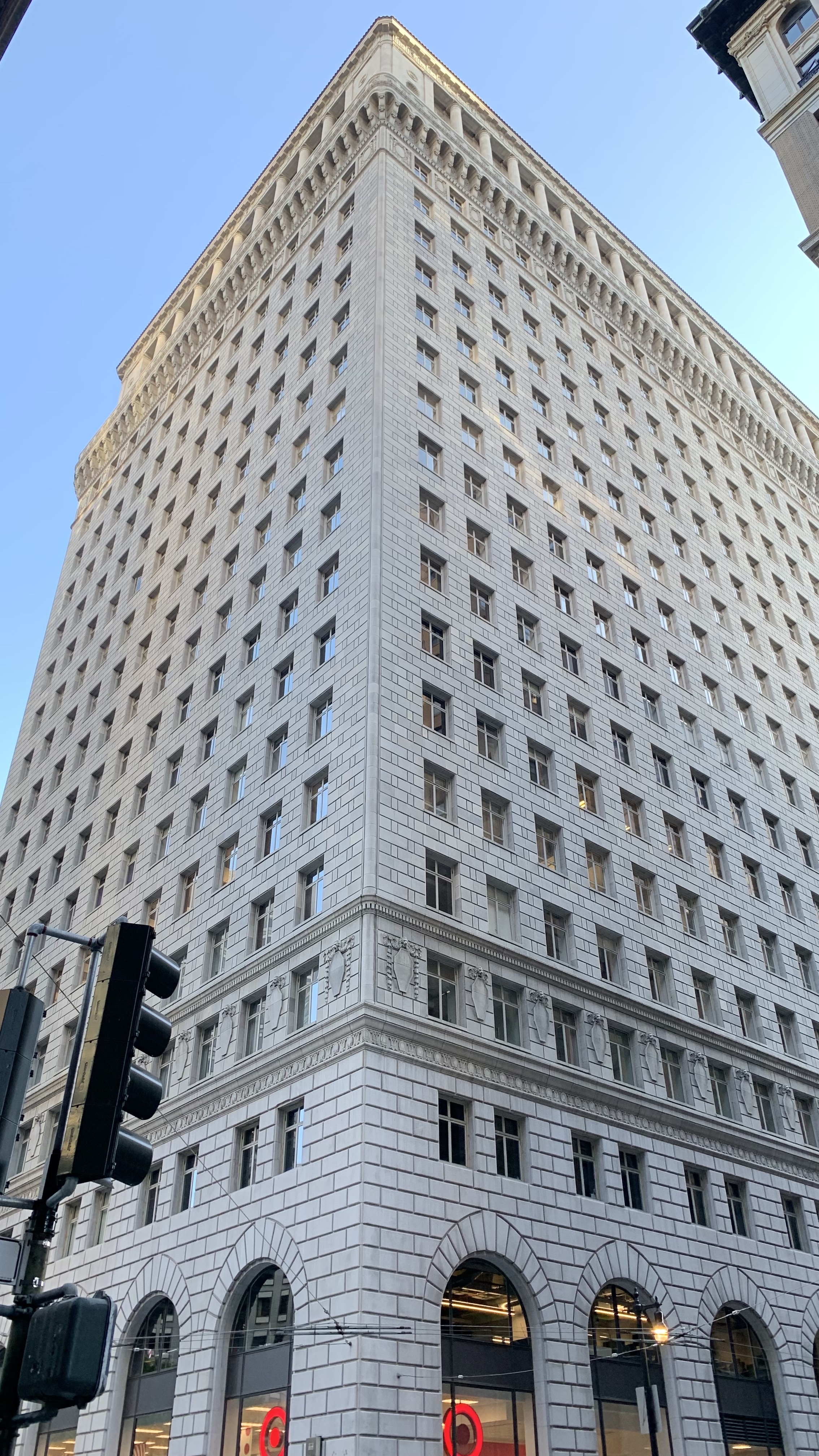
➤ Key Highlights
A $350M loan secured by 225 Bush Street in San Francisco is being marketed for sale after default.
The mortgage originated in 2019 and matured in late 2024, triggering special servicing.
JLL Capital Markets is running the loan sale process on behalf of CMBS lenders.
The tower is reportedly around half leased, reflecting broader downtown vacancy pressure.
Buyers are expected to pursue the note position, potentially leading to foreclosure or recapitalization.
The loan secured by 225 Bush Street has moved from a refinancing challenge to a full distressed-debt opportunity, with JLL engaged to market the $350 million note tied to the Financial District office property.
The mortgage was originated in 2019 at the peak of institutional confidence in San Francisco’s office market. But the borrower failed to refinance when the loan matured in 2024, pushing the asset into special servicing within its CMBS structure. With occupancy reportedly near 50%, the building no longer generates enough stabilized cash flow to support the original debt level.
Selling the loan instead of the property reflects how lenders are approaching troubled office assets today. A note sale allows investors to buy the control position in the capital stack, often at a steep discount, and then determine the outcome: negotiate with the borrower, restructure the loan, or ultimately take the building through foreclosure.
For buyers, the underwriting challenge is not simply valuation. It’s determining whether a legacy downtown tower can realistically re-lease in a market where demand has structurally shifted toward newer, amenitized buildings. San Francisco’s office vacancy remains among the highest in the U.S., meaning lease-up assumptions will drive pricing more than replacement cost.
This dynamic is why the loan sale is being closely watched: it provides a live price discovery event for distressed office debt in one of the country’s most stressed office markets.
➤ TAKEAWAY
This sale isn’t just about one tower—it’s a test of how investors price distressed office debt and reposition aging downtown assets in a structurally weaker demand environment.


