The Signal:
- Bridge debt is the seam between delivery and stabilization.
- Lenders are still underwriting new gateway lease-up at scale.
- The financing market for finished-but-not-stabilized supply is open.
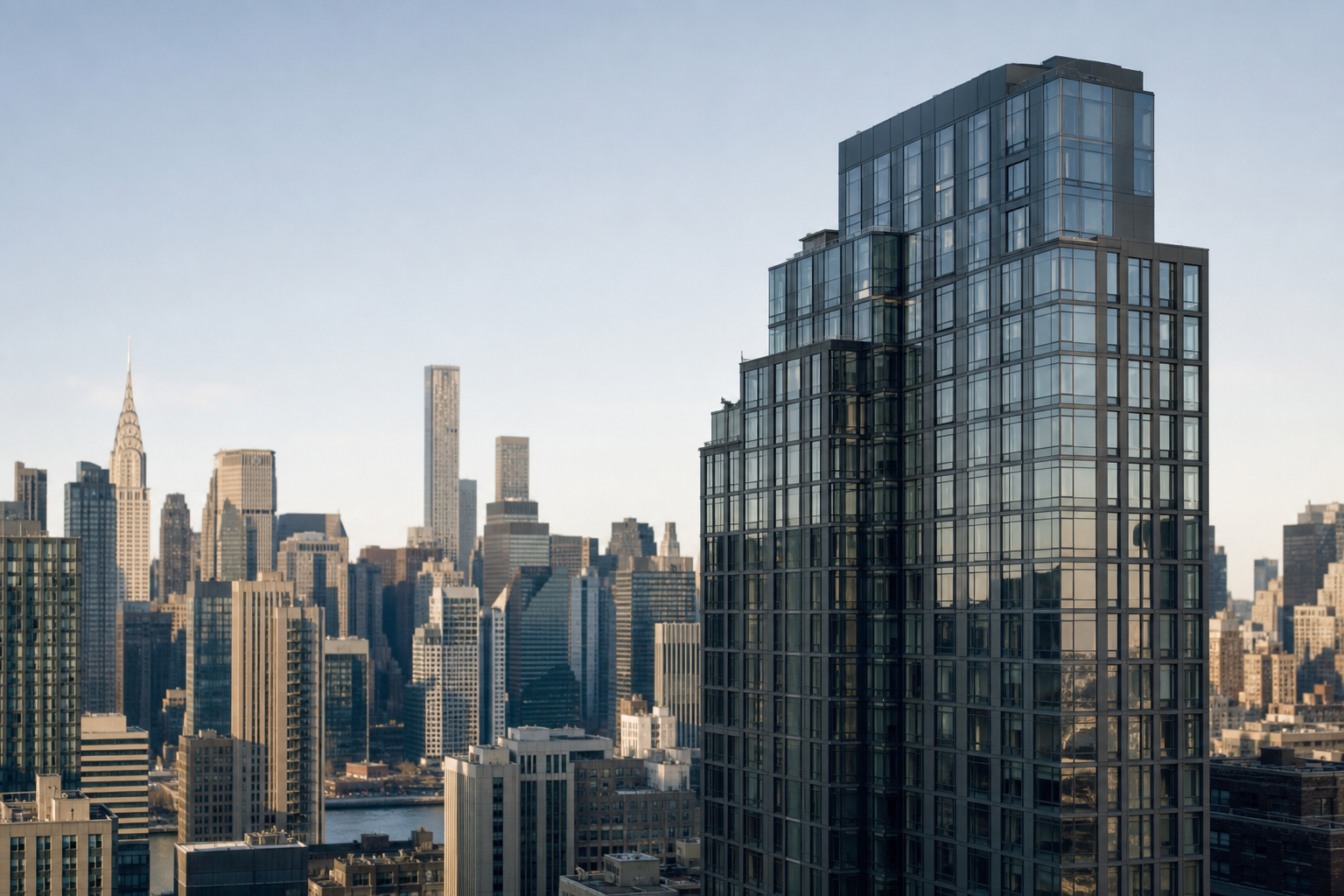
Most multifamily coverage this month has been demand and transactions. This is the plumbing underneath: how a finished building funds the gap between certificate of occupancy and stabilized cash flow. A $141.4M bridge loan on a 194-unit tower is a lender pricing lease-up risk in a gateway market.
That the loan cleared at size matters. Bridge financing on newly delivered supply is a live indicator that debt capital will still carry the riskiest window in a project's life — the empty-to-full ramp — in a market with thin new pipeline.
The structural read is that in a supply-constrained gateway, lenders are comfortable underwriting the ramp because the exit — stabilized rent in a market that cannot easily add units — is defensible.
Implications: Developers holding finished gateway product have a working bridge market to reach stabilization. For lenders, new lease-up in supply-constrained metros is a priced, live risk — not a frozen one. For investors, bridge-to-stabilization is where basis and rent durability get tested before a permanent-debt exit.
Related coverage
Key Takeaways
- A $141M bridge on a new Manhattan tower shows the lease-up financing window is open where supply can't easily follow. Bridge debt carries the empty-to-full ramp between delivery and stabilization. Lenders are still underwriting new gateway lease-up at scale. Coastal scarcity is what makes the lease-up financeable.
Commercial Property Executive / M&T Realty Capital — $141.4M bridge loan for Anagram Turtle Bay, 194-unit Manhattan multifamily (Global Holdings / MAG Partners / Safanad), July 24, 2026
Never miss a Signal
Get the daily brief that busy CRE professionals rely on.