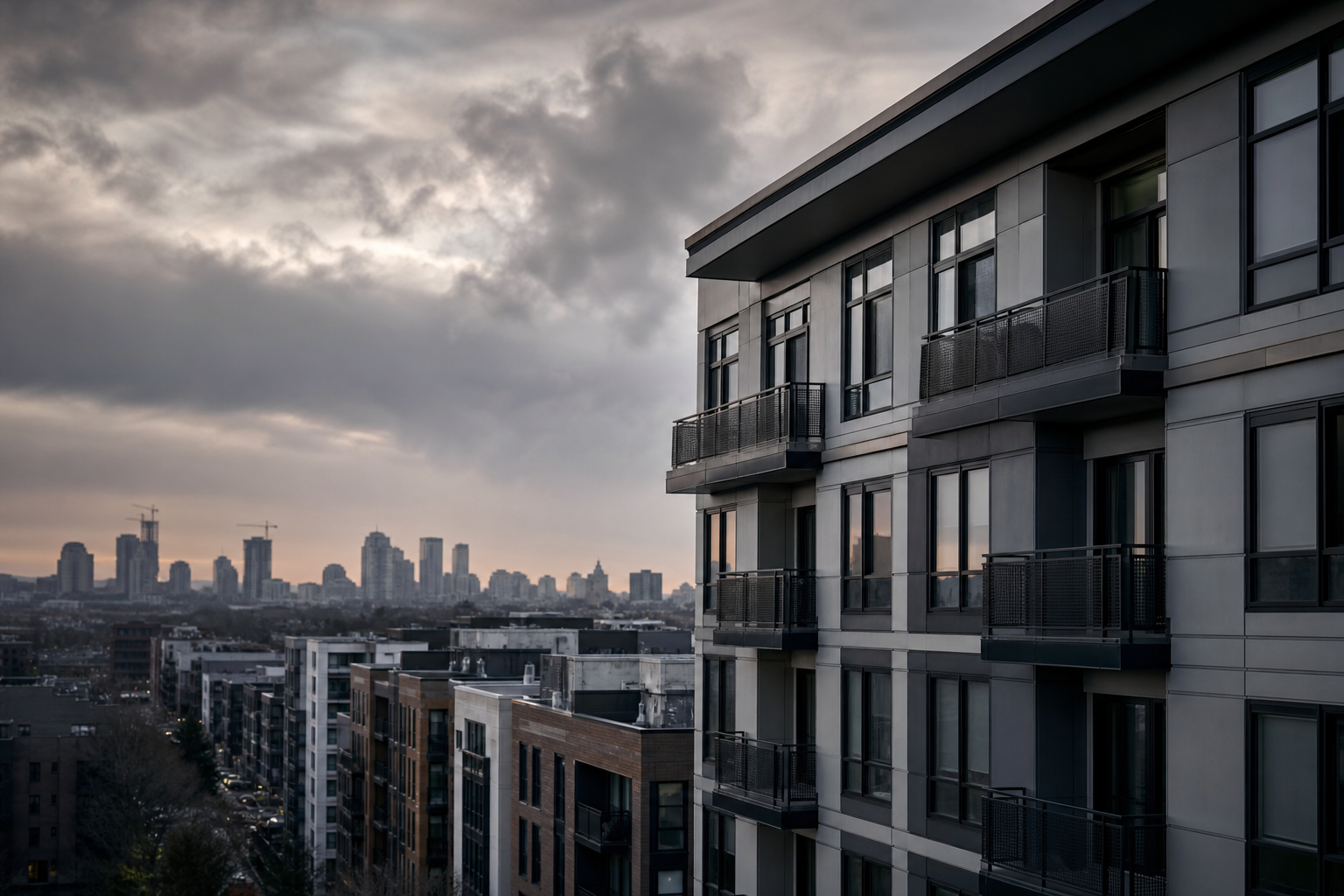
The asset class that anchored allocations for a decade is now a source of distress, not a safe harbor. Costs have compounded faster than rents, and the maturity wall is front-loaded.
The $757B due by 2028 is about 42% of the decade's $1.8T (derived). Delinquency rose 150 bps in a year (derived).
Operating costs compounded at roughly 4.6% a year over 2019-2026 (derived), against annual rent growth of 1.5% reported by GlobeSt on Oct. 5. The periods differ, but the direction of the gap does not.
Panelists said pain is concentrated in oversupplied Sun Belt markets, with New York and San Francisco the exceptions. Loans written before 2023 face the hardest refinancing.
Implications
Underwrite refinancing on today's operating costs and today's rents, not on the rent growth in the original business plan. Lenders should expect more special servicing from floating-rate, pre-2023 vintages. Buyers should expect motivated sellers where debt no longer fits and should price off in-place NOI.
Flags: Panel remarks are opinions, not market data. Event date is given as Oct. 5 in the article; the Oct. 4 Signal cited the same event as Oct. 1. The article's Treasury-yield reference conflicts with Bisnow's earlier reporting and is not used. Per-year cost growth and maturity share are CRE360 derivations. Source for the 1.5% rent figure was not retrievable beyond the headline.
Related coverage
Key Takeaways
- Multifamily's problem is not demand; it is that costs and debt compounded faster than rent
- About 42% of the decade's multifamily maturities fall due by 2028
- Underwrite refinancing on current costs and rents and price off in-place NOI
Bisnow, Multifamily's Days As Commercial Real Estate's Golden Child Are Over, Oct. 6, 2026 · Multifamily Dive, Vivmark boosted August sales but apartment prices fell 4.7% YOY, Sept. 24, 2026 · GlobeSt, Multifamily Rent Growth Shows Early Signs Of Stabilizing, Oct. 5, 2026
Never miss a Signal
Get the daily brief that busy CRE professionals rely on.