➤ SIGNAL
Conversions crossed from niche to structural channel for distressed office
The pipeline is concentrating in high-vacancy gateway downtowns
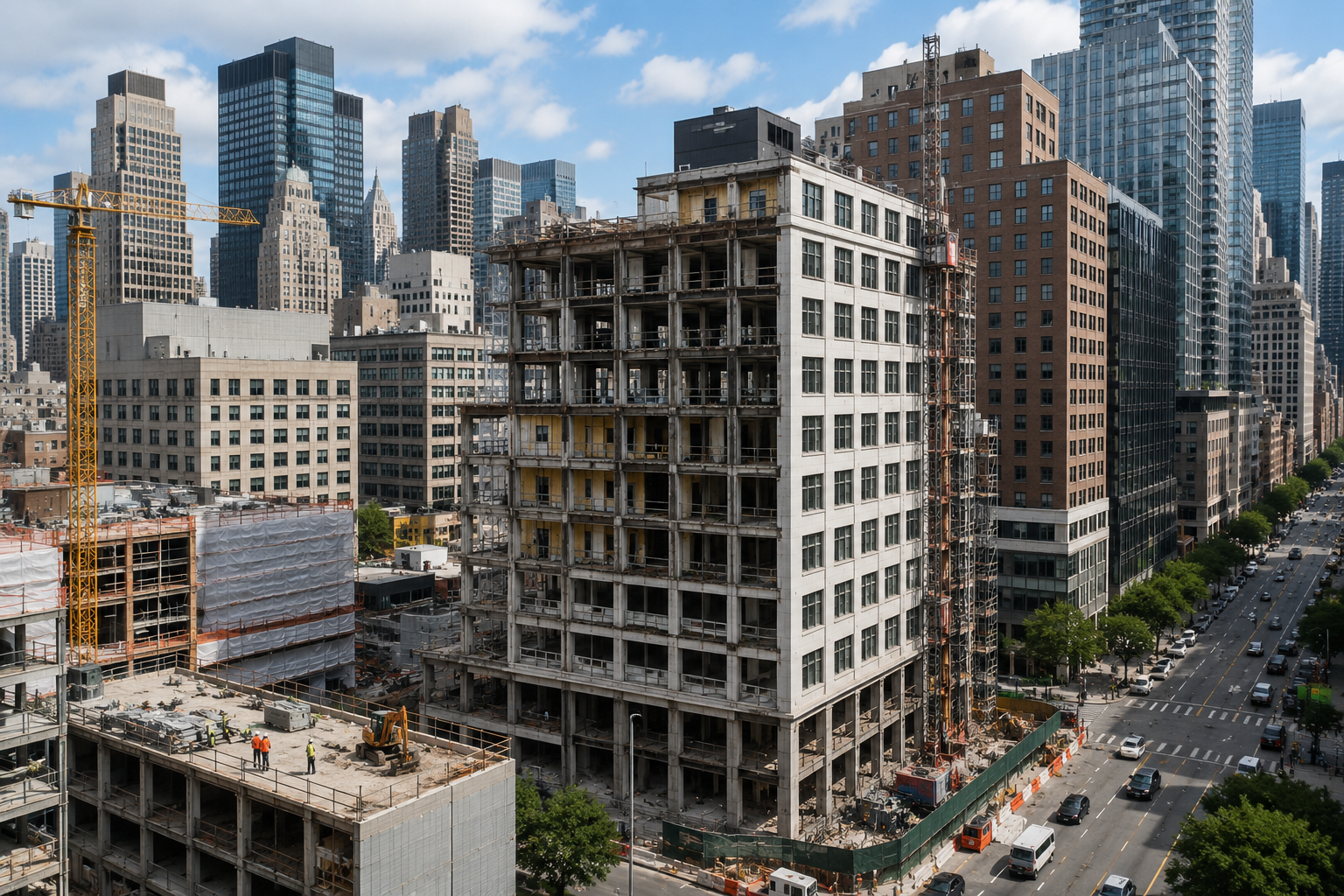
The office conversion wave has scaled past the experimental phase. At 90,300 units in progress and up 28% year over year, repositioning is now the primary disposition path for a class of office that vacancy, loan maturities and incentive programs have pushed out of the leasing market.
The concentration is telling. New York, D.C. and Chicago — legacy office cores with the deepest structural vacancy — anchor the pipeline. Cities are compressing approval timelines and layering tax incentives to move stranded buildings.
The math still screens hard. Floorplate depth, window lines, plumbing risers and code triggers kill most candidates. The buildings that pencil tend to be older, narrow-floorplate stock bought at a basis that reflects the obsolescence — not trophy towers.
Implications
For owners and lenders, conversion is reframing the office distress question. The exit for non-competitive office increasingly is a change of use, not a re-lease at a lower rent. That changes valuation: the relevant comp may be residential land value plus conversion cost, not office cap rates. For developers, the edge is in pre-screening physical feasibility before chasing the incentive.
Key Takeaways
- For a growing tier of office, the next tenant isn't a tenant — it's a wrecking-and-rebuild residential plan.
NJBIZ / ROI-NJ / Seoul Economic Daily / CRE Daily
Never miss a Signal
Get the daily brief that busy CRE professionals rely on.