


📢Oil rebounded modestly after weeks of decline, with Brent near $66 and WTI ~$62. Russia sanctions risk offset OPEC+’s modest 137k bpd hike for October. For hotels, the range-bound move provides cost relief heading into the Q4 shoulder season. Still, forward curves show potential for Brent to retreat toward $55 by year-end, signaling persistent volatility.

Brent: ~$66/bbl (Sep 7)
WTI: ~$62/bbl (Sep 7)
OPEC+ supply hike: +137k bpd (Oct)
S&P Global YE25 Brent forecast: $55/bbl (contango risk)

Loan Performance, Stable-to-falling energy costs indirectly improve DSCR on hotel-backed loans by lowering operating expense loads. For assets under watch, especially drive-to resorts, modest margin improvements can support cure probability, though volatility caps long-term certainty.
Demand Dynamics, Drive-to hotels see mild positive elasticity from cheaper gas, which can lift weekend occupancy. Airlift-dependent CBD hotels benefit less, as airfare remains sticky due to capacity constraints. Energy costs are unlikely to meaningfully shift overall leisure demand, but can nudge shoulder-season resilience.
Asset Strategies, Operators can bank utility savings into NOI without eroding rate integrity. Hedging utilities at today’s range offers downside protection if sanctions spike crude again. Rate discipline is critical: LOS and package incentives outperform outright discounting in sustaining occupancy.
Capital Markets, Lower energy costs intersect with early Fed cuts to improve travel affordability, but debt remains expensive, keeping hotel acquisitions subdued. Energy’s volatility complicates underwriting—sponsors are advised to case Brent at $56–66 and escalate utilities at CPI to CPI+100 bps for 2026.

Oil’s rebound stabilizes hotel margins, but downside risk dominates into 2026.
Drive-to markets gain small occupancy lift from cheaper gas.
Rate discipline beats discounting in volatile environments.
Underwriting should case Brent in a $56–66 range for budgets.
🛠 Operator’s Lens
Lock utility hedges opportunistically in Q4.
Structure fall campaigns around drive-to incentives (gas cards, parking).
Hold group RFP pricing flat on fuel assumptions, avoid aggressive rate cuts.

The oil market remains headline-driven. Russia sanctions could trigger spikes, but fundamentals point to oversupply and $55 Brent by YE25. For hotel operators, the balance is favorable: cost relief and mild demand upside outweigh volatility risk. Into 2026, energy hedging will separate disciplined operators from exposed ones.

Reuters: S&P Global flags $55 Brent by YE if oversupply persists (Sep 8),Oil prices +1% on sanctions risk (Sep 7)
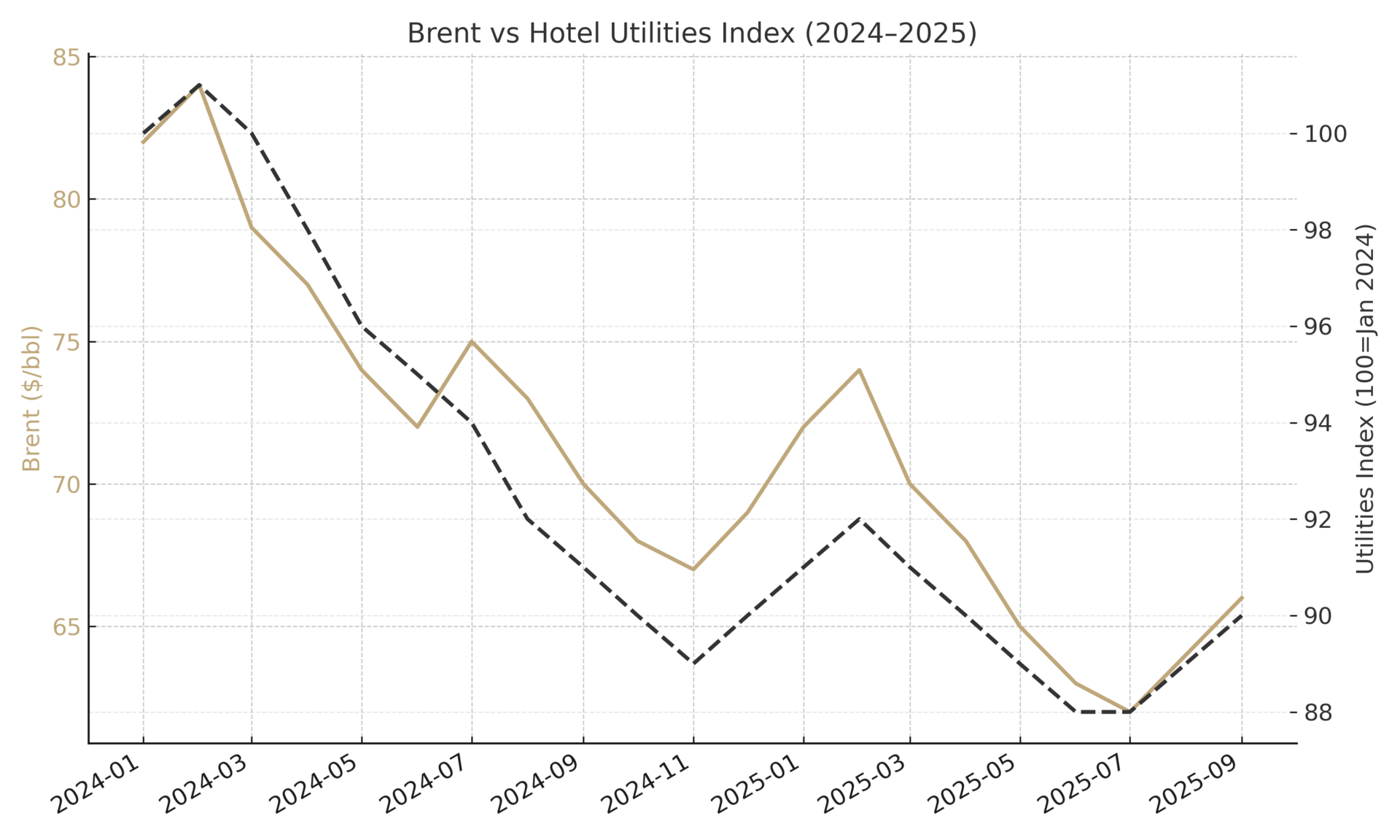
Chart 1 – Brent vs Hotel Utilities Index (2024–2025)
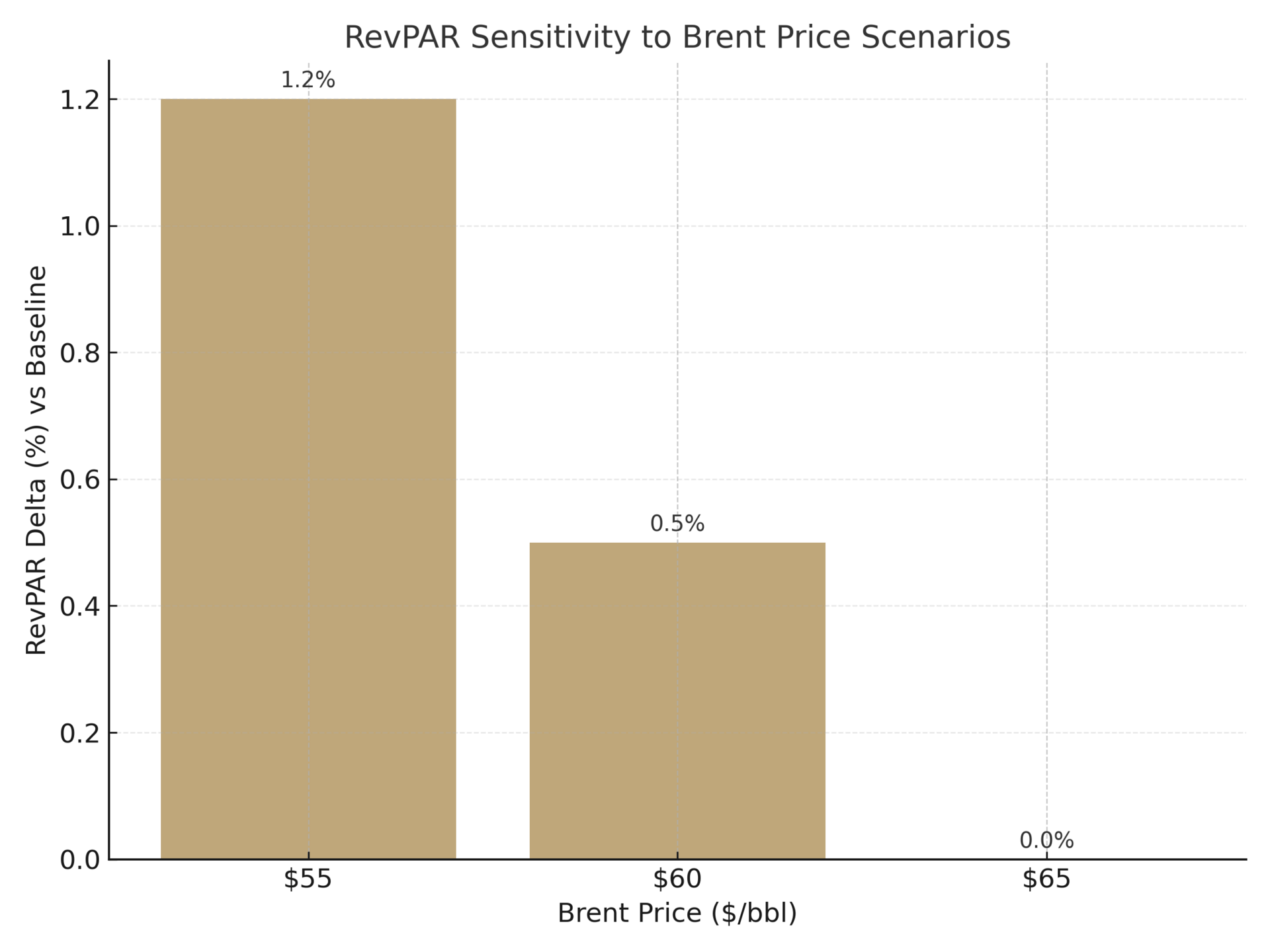
Chart 2 – RevPAR Sensitivity to $55/$60/$65 Brent

Never miss a Signal
Get the daily brief that busy CRE professionals rely on.