The Signal:
- Conversion risk is structural and physical, not just financial.
- Adding load to century-old frames is an engineering problem underwriters routinely price too lightly.
- The pipeline is a record — which means this risk is now systemic, not isolated.
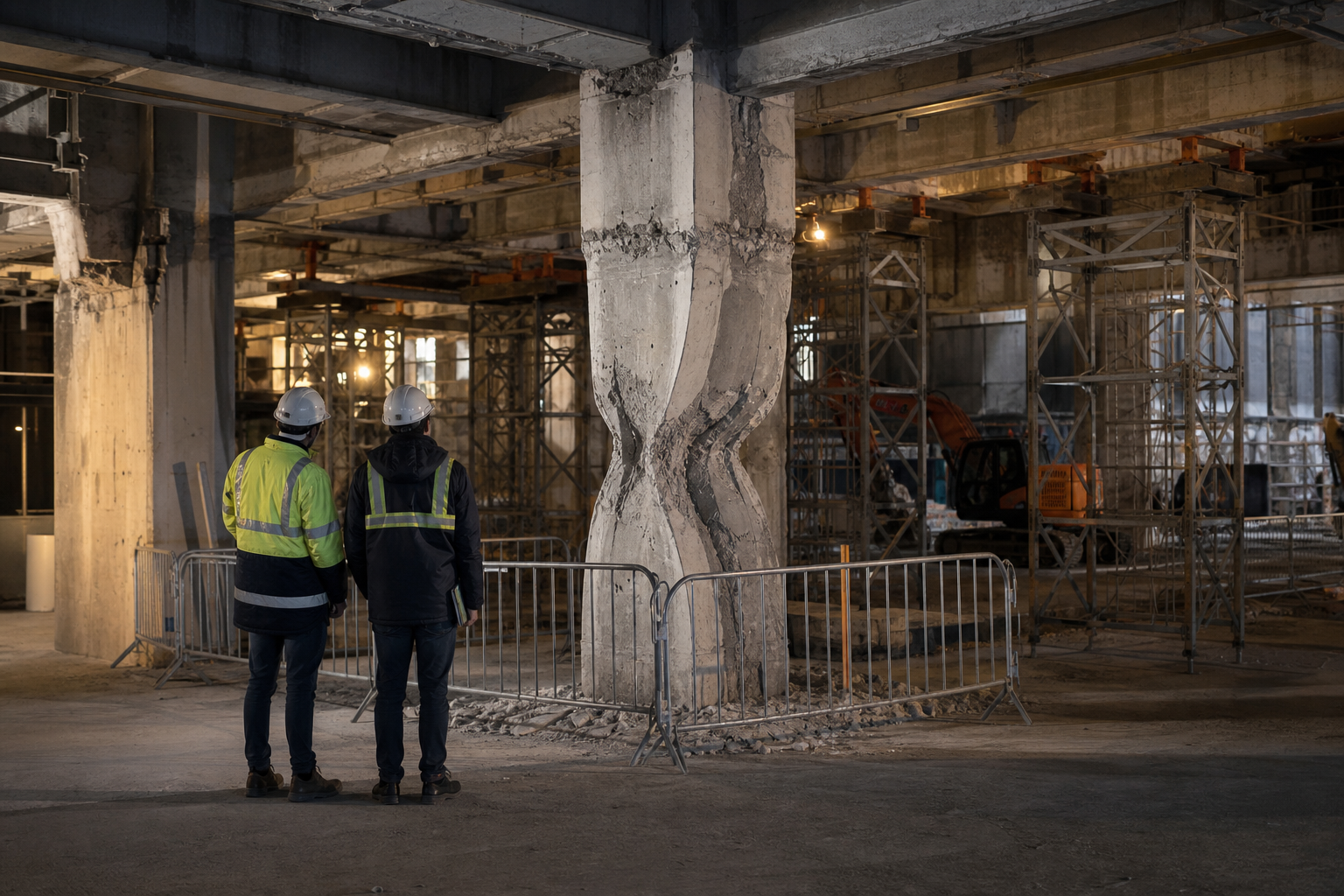
Office-to-residential conversion has been sold as the elegant fix for empty towers and housing shortages at once. The Pfizer HQ scare is a reminder that the hardest part isn't the pro forma — it's the frame. Adding a dozen stories to a 1909 structure loads old steel in ways it was never designed for.
The timing matters because the pipeline is at a record. With ~90,000 units in conversion nationally and 16,000-plus in New York alone, the sector is scaling exactly as its least-visible risk — structural adequacy of aging buildings — becomes material. One buckled column halts a project; a pattern would reprice a strategy.
The structural read is that conversion underwriting has to move engineering to the front of the diligence. Floor plates, column capacity, and load paths determine whether a building can carry residential density and added height — before the housing-unit count ever gets interesting.
Implications: Sponsors underwriting conversions need structural and geotechnical diligence priced in as a primary risk, not a line item. Delays and remediation blow up contingency budgets fastest on the oldest, most-marketed buildings. For lenders, a conversion's real collateral risk is whether the existing frame performs — not just lease-up.
Related coverage
Key Takeaways
- In office conversions, the deal that pencils can still buckle — structural risk is the underwriting no one prices enough.
- Conversion risk is structural and physical, not just financial
- Adding load to century-old frames is an engineering problem underwriters price too lightly
- A record pipeline makes this risk systemic, not isolated
AP via ABC News — New York construction scare highlights challenges of converting offices into housing, July 2026 · Washington Times — New York construction scare highlighting the challenges of converting offices into housing, July 10, 2026 · Insurance Journal — NYC Building Scare Shows Challenges of Converting Offices to Housing, July 14, 2026
Never miss a Signal
Get the daily brief that busy CRE professionals rely on.