➤ Key Highlights
Pipeline digestion: New industrial deliveries have slowed sharply, reducing near-term vacancy pressure.
Land banking over building: Capital is locking up infill parcels for 2026–2027 starts, deferring vertical risk.
Service-level underwriting: Proximity, labor access, and network efficiency now outrank scale.
Secondary markets resurface: Tier-2 hubs with incentives and connectivity are back in favor.
Reshoring tailwinds: Incremental manufacturing and distribution needs support selective demand.
Capital discipline persists: Deals pencil only where basis, incentives, and timing align..
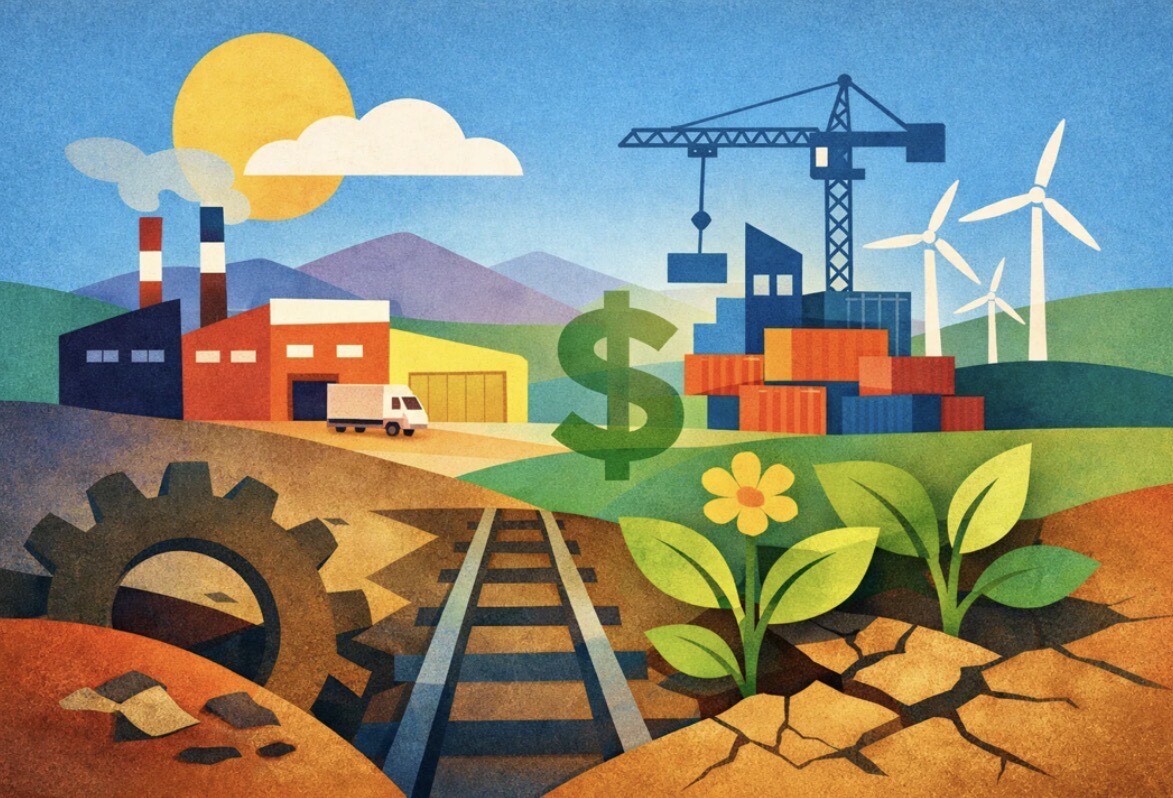
After a brief pause, industrial developers are quietly re-engaging—but not where the last cycle overbuilt. Capital is flowing into infill and secondary-market parcels earmarked for 2026–2027 delivery, even as financing remains restrictive. The pivot reflects a reset in underwriting assumptions, a thinning pipeline, and targeted demand driven by reshoring and state incentives—particularly across Tier-2 logistics nodes such as Kansas City, Tulsa, and Columbus.
Developers are securing land—not breaking ground—prioritizing locations that can deliver modern logistics space with lower basis risk. New supply has slowed materially from pandemic peaks, allowing absorption to normalize. Rather than chase scale in oversupplied gateways, sponsors are positioning for service-level efficiency: proximity to labor, transportation corridors, and incentive-backed operating economics.
This is not a return to speculative excess. Underwriting is tighter, timelines are longer, and projects skew smaller and more targeted. The strategy acknowledges capital constraints while betting that network optimization—not sheer square footage—will define the next demand leg. Markets with intermodal access, workforce depth, and credible state incentives are regaining relevance as occupiers rebalance inventories closer to consumption.
Stop Reading Headlines
Subscribe to CRE 360 Signal™ Newsletter to Move Smarter in Today's CRE Market.Start Understanding the Market
➤ TAKEAWAY
The next industrial cycle is forming quietly and selectively. Winners won’t be the fastest builders—they’ll be the ones who secured the right land, at the right basis, in markets where incentives and logistics fundamentals can carry returns through tight capital.
Never miss a Signal
Get the daily brief that busy CRE professionals rely on.