The Signal:
- Grocery-anchored retail with a dominant regional anchor still commands full pricing.
- The JV structure shows institutional LPs actively funding the sector.
- 98% occupancy plus a value grocer is the definition of defensive cash flow.
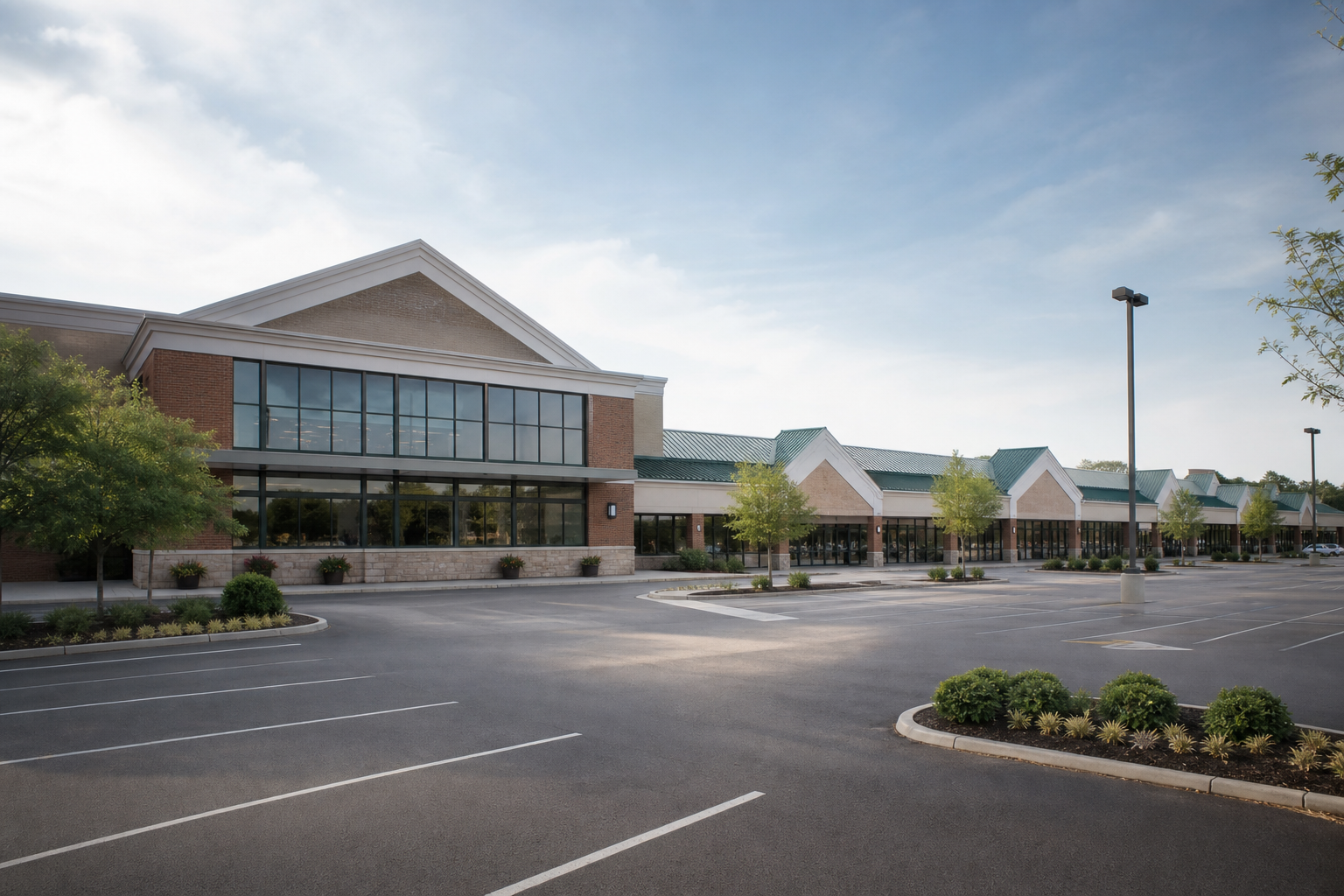
Regency Centers paid $74 million for a 98%-leased, Market Basket-anchored center in suburban Boston, funded through an institutional joint venture. When a best-in-class operator and a state pension co-invest in grocery retail, the retail-apocalypse framing looks increasingly obsolete.
The mechanism is necessity. A high-volume value grocer drives predictable foot traffic that props up the entire tenant roster, and near-full occupancy on that footfall is the closest thing open-air retail has to a bond.
The structural read is retail's continued bifurcation. Necessity-anchored, high-occupancy centers attract institutional capital and full pricing, while commodity, discretionary-heavy retail keeps struggling, the same split running through office and, differently, through housing.
Implications: For owners, dominant grocery anchors are the durability premium buyers will pay for. For developers, entitlement-constrained suburban grocery sites hold scarcity value. For lenders, a value grocer at 98% occupancy is among the most financeable retail collateral available.
Key Takeaways
- When Regency and a pension fund pay full price for a 98%-full grocery plaza, necessity retail isn't surviving the apocalypse, it's being underwritten as a bond.
- Necessity retail with a dominant anchor still commands full pricing
- Institutional LPs are actively funding grocery centers
- A value grocer at 98% is priced like a bond
Commercial Real Estate Direct — Regency Centers Buys Westford Mass. Shopping Center for $74Mln, August 3 2026 · Boston Business Journal — Cornerstone at Westford acquired by Regency Centers, 2026 · Regency Centers — Q2 2026 Results (Form 8-K), July 29 2026
Never miss a Signal
Get the daily brief that busy CRE professionals rely on.