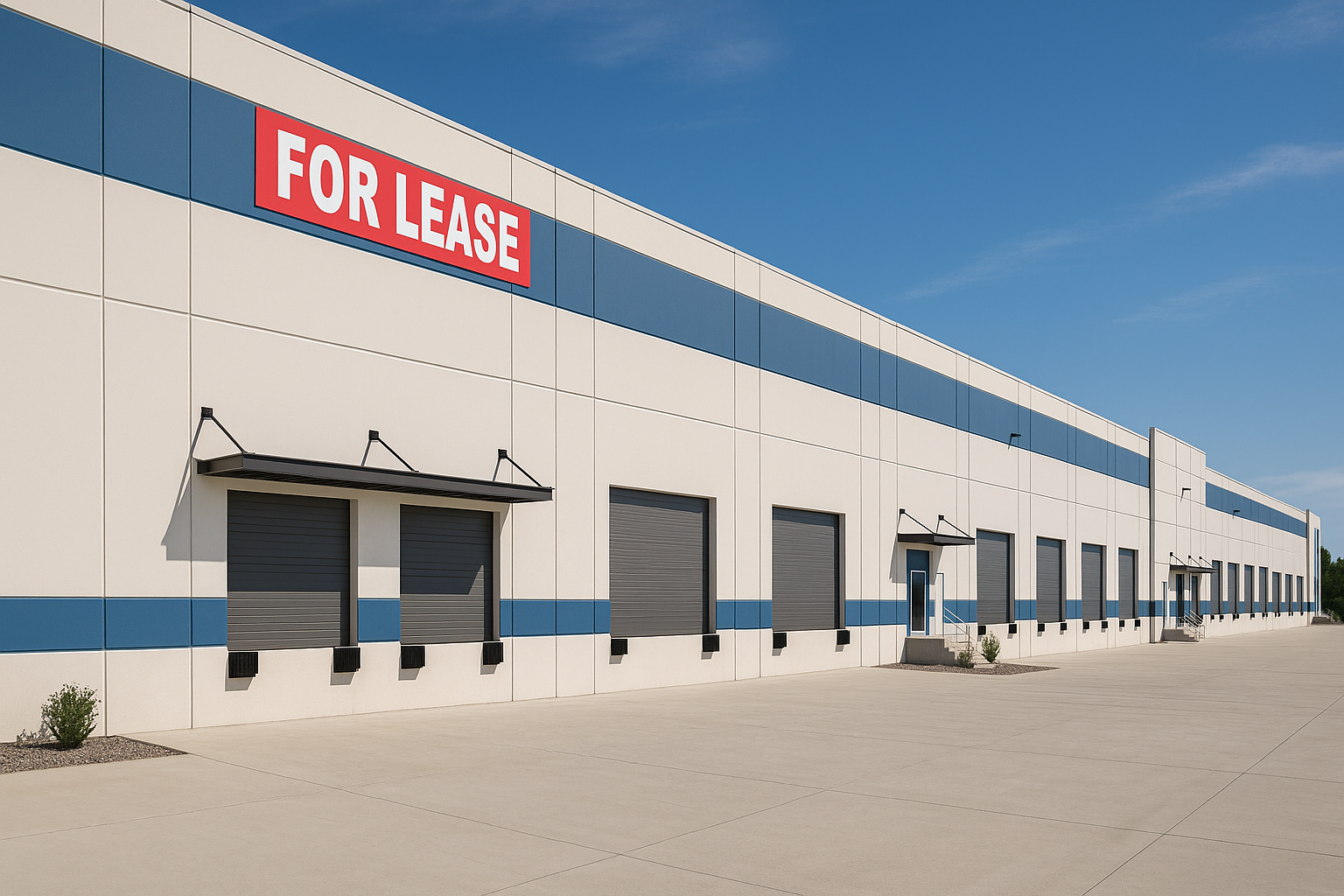


📢Starwood Capital secured a $930 M single-borrower CMBS loan to refinance 8.2 MSF of industrial assets across four states. The deal, co-originated by five Wall Street banks, is one of 2025’s largest industrial financings, underscoring robust debt market support for logistics portfolios despite higher interest rates.

Loan size: $930 M CMBS, floating-rate, IO, 2-year initial term + 3×1-year extensions.
Pricing: SOFR + 200 bps → ~7.3% all-in.
LTV: 57.1%; underwritten cap rate: 4.8%.
Portfolio: 54 assets, 8.2 MSF, 88% leased, 230 tenants.
Largest markets: Reno (29%), Phoenix (28%), Denver (21%), Baltimore (12%).
Major tenants: Amazon 275k SF, UPS 265k SF, FedEx 109k SF.
Rents: ~20% below market, offering embedded upside.

Loan Performance, The CMBS structure spans AAA to BB tranches, giving investors risk-calibrated exposure. At 57% LTV and ~2.0× DSCR on stabilized cash flow, coverage looks healthy even with initial negative leverage. Key risk is rollover—lease terms are not long, but rent mark-to-market provides a cushion. Caps on SOFR are expected, limiting rate volatility exposure.
Demand Dynamics, Industrial vacancy is ~4% nationally, with logistics hubs like Reno and Phoenix running sub-5%. Portfolio occupancy of 88% leaves some lease-up potential but still reflects strong tenant demand. With rents ~20% under market, turnover becomes a growth lever, not just a risk, provided demand persists.
Asset Strategies, The portfolio spans light industrial (50%), warehouse/distribution (33%), and specialized manufacturing (16%), balancing last-mile demand with bulk throughput facilities. Diversification—no tenant >4% of space, no market >29% GLA—reduces shock risk. Embedded upside hinges on proactive lease rollovers and repositioning of older assets for modern logistics use.
Capital Markets, SOFR+200 reflects aggressive pricing for industrial relative to other CRE. Lenders are syndicating at scale, unlike office where credit is scarce. With cap rates in the 4.5%–5.5% band, some margin compression exists, but conviction in rent growth sustains financing. Execution at this size signals industrial remains top-tier collateral for banks, CMBS, and insurers.

Industrial remains lenders’ safest CRE bet; large loans still execute at tight spreads.
Portfolio diversification by tenant and market materially improves credit profile.
Negative leverage is tolerated in logistics due to mark-to-market rent upside.
This financing sets a benchmark for upcoming large-scale industrial refinancings.
🛠 Operator’s Lens
Lease Rollover: Push below-market tenants toward market rents proactively; engage renewals 12 months early.
Hedging: Budget for and maintain SOFR caps; underwrite to capped levels to avoid DSCR erosion.
Tenant Retention: Invest in functional upgrades—36’ clear heights, EV infrastructure, solar—before obsolescence erodes rents.
Liquidity Window: If refinancing looms, act now; lenders are competing for industrial credits.

Industrial will remain the CRE “safe harbor” so long as e-commerce growth and supply-chain decentralization continue. Large portfolios with diversified tenant rosters will find lenders eager, but negative leverage pressure will persist until rates ease or NOI grows.
Supply is the watchpoint: with ~700 MSF under construction, localized oversupply could temper rent growth, particularly in Dallas, Atlanta, and Phoenix. Investors and lenders must track market-by-market absorption.
Benchmark deals like Starwood’s will set pricing and structure precedents for upcoming industrial refinancings. Expect more single-borrower CMBS executions as capital rotates away from challenged office and hotel sectors into logistics.

Bisnow • KBRA
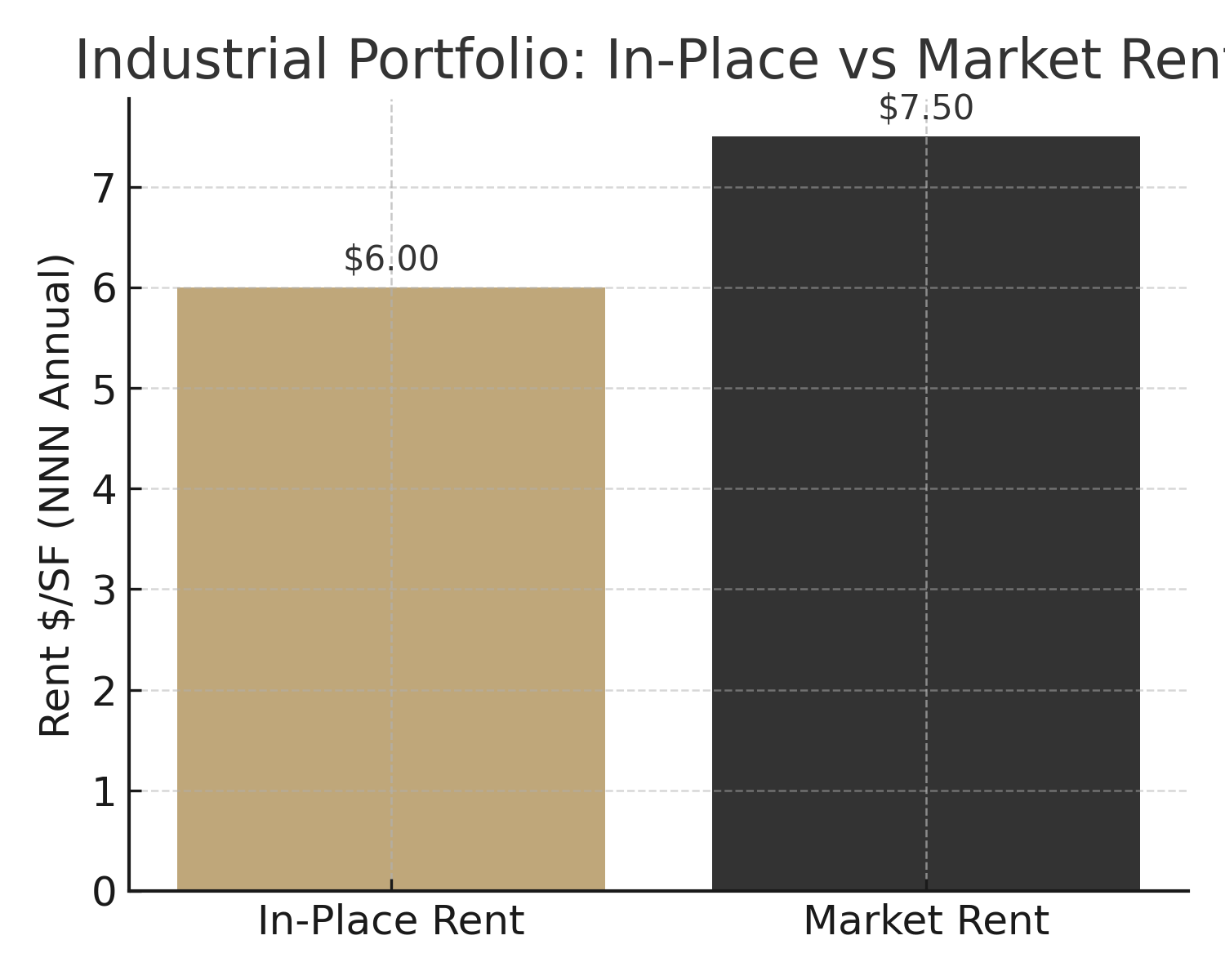
Chart 1 – In-Place vs Market Rent
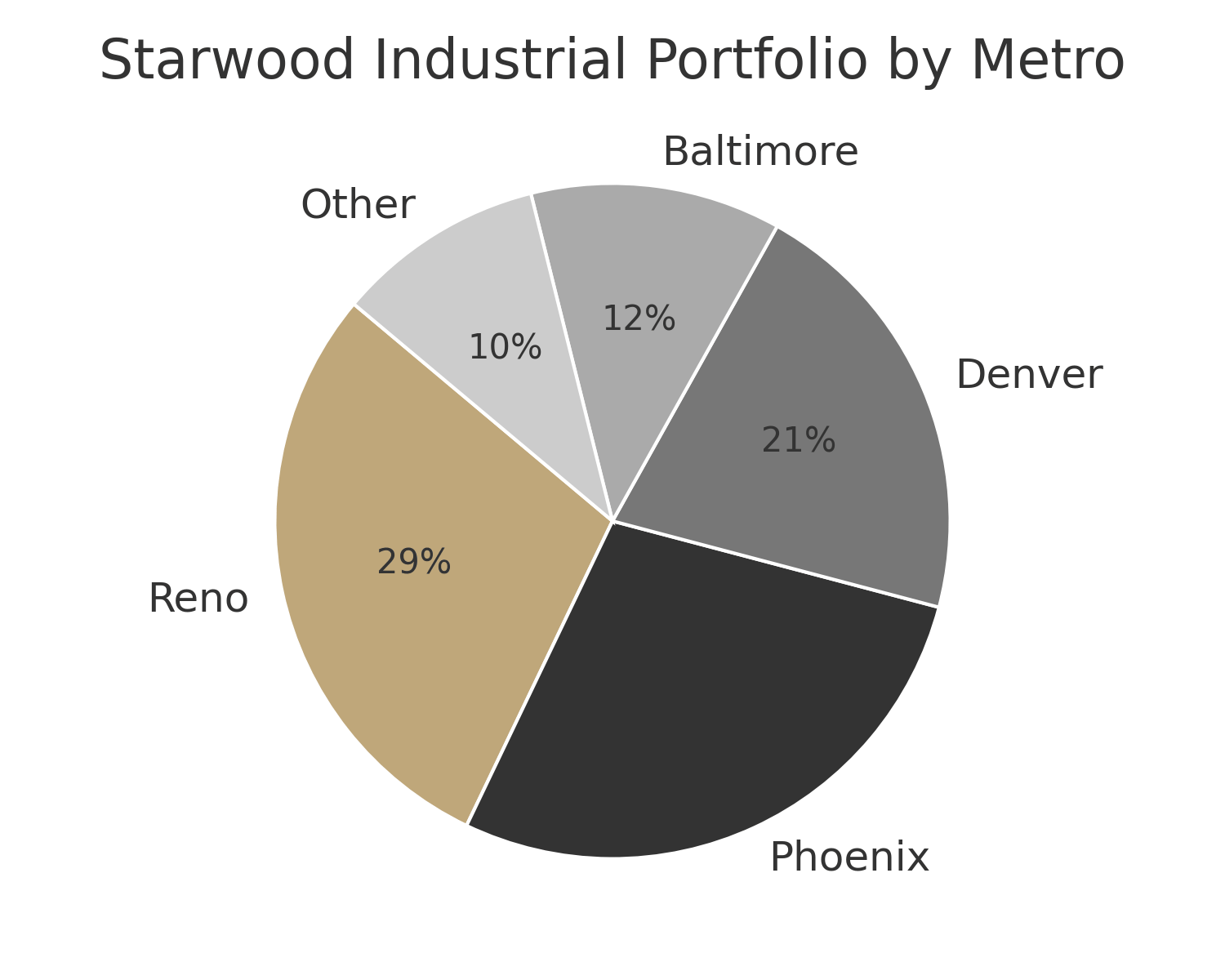
Chart 2 – Portfolio by Metro

Never miss a Signal
Get the daily brief that busy CRE professionals rely on.