
➤ Key Highlights
Interconnection queues are the gatekeepers. Project viability increasingly depends on queue position and study timing—not land use approvals.
Transformer shortages are the hard constraint. Long lead times for large power transformers are delaying tie-ins and uprates, pushing schedules and costs.
Rule changes haven’t cleared bottlenecks. Cluster studies and “first-ready, first-served” frameworks help, but regional backlogs persist.
Load growth is reshaping development patterns. Data centers and large industrial loads are pulling capacity toward select substations and corridors.
Transmission planning is long-dated. New regional lines will matter—eventually—but near-term siting is dictated by existing substation headroom.
Feasibility now starts with power. One-line diagrams and substation realities trump site plans in early underwriting.
Across U.S. markets, developers are discovering that the real zoning authority sits inside the grid. Interconnection queues remain crowded, transformer procurement is slow, and utilities are tightening large-load rules as demand spikes. Even with reforms from Federal Energy Regulatory Commission, timelines vary sharply by region, leaving projects hostage to where capacity already exists. In practice, a parcel’s fate is decided less by planning commissions and more by substation MVA, feeder headroom, and queue cluster timing at ISOs like PJM Interconnection, MISO, and ERCOT.
This shift changes underwriting and site selection. Capital is burning during extended option periods while teams wait on studies and equipment. Power-intensive assets face higher carrying costs, schedule risk, and potential scope re-sequencing. Markets with fast load growth may see accelerated utility capex—but also higher power pricing and curtailment risk. The takeaway: projects that ignore grid reality early are mispriced from day one.
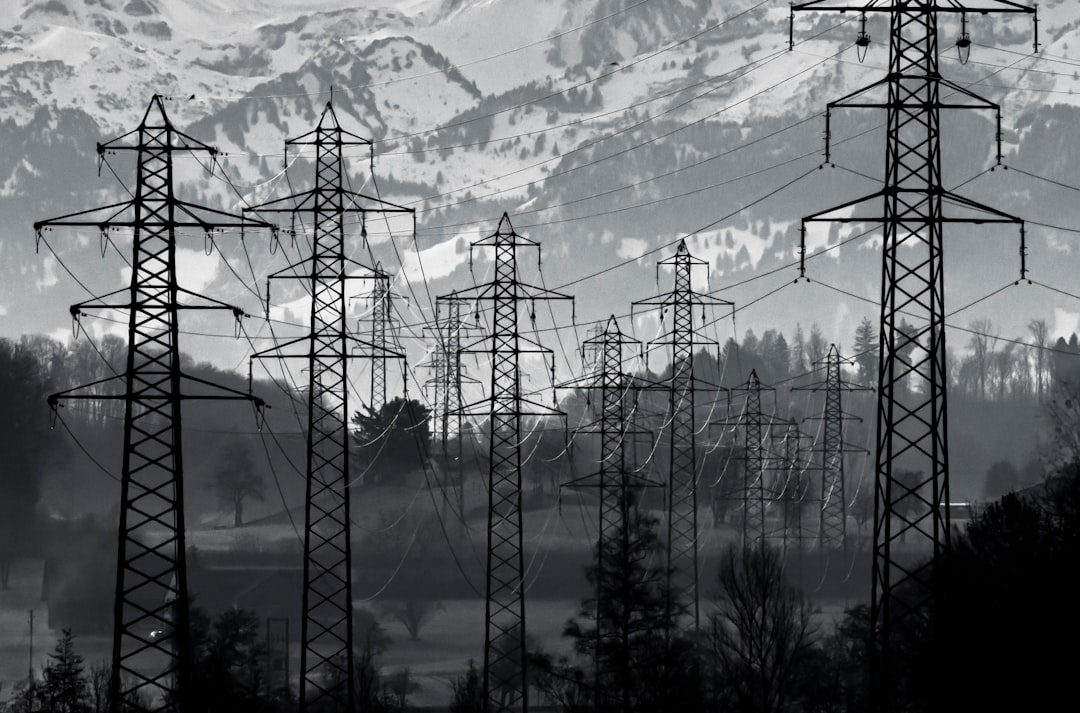
⚠️ Why it matters now
Expect tighter large-load interconnection rules, more scrutiny on “ready” projects within clusters, and continued prioritization of sites adjacent to substations with funded—and procured—upgrades. Transmission planning reforms will unlock capacity over multiple years, not months. Near-term winners will be developers who align land control, interconnection strategy, and equipment procurement timelines upfront.
Stop Reading Headlines
Subscribe to CRE 360 Signal™ Newsletter to Move Smarter in Today's CRE Market.Start Understanding the Market
➤ TAKEAWAY
In 2026, power availability is the real entitlement. If your feasibility doesn’t start with the substation, it’s incomplete—and likely unbuildable on schedule.
Never miss a Signal
Get the daily brief that busy CRE professionals rely on.