➤ Key Highlights
U.S. 5+ unit permits and starts declined into late summer 2025, signaling a cooling pipeline.
Census updated the BPS imputation methodology this year — comparisons to prior cycles require caution.
Annual absorption slowed sharply by Q3 2025: ~637k units vs. ~785k in Q2. Demand is normalizing.
Sunbelt demand remains strong but moderating, with operators reporting increased lease-up pressure.
CBRE/NAHB expect multifamily starts to remain below peak through 2025, tightening new supply by 2026.
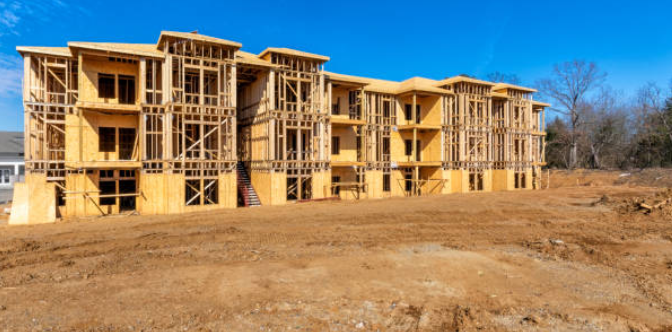
Developers are deliberately pulling back on new starts and focusing on finishing the current pipeline. Absorption has rolled over from 2023–2024 highs, especially in metros facing stacked deliveries. This is not a collapse — it’s a recalibration.The near-term market is defined by flat rent growth, slower lease-ups, and tighter capital discipline, while the medium-term outlook becomes structurally favorable as the supply pipeline shrinks.

⚠️ Why it matters now
Near-term competition rises in heavy-delivery markets; underwriting must assume slower stabilization.
Debt markets remain selective, increasing pressure on sponsors to derisk and deliver versus launching new phases.
2026–2027 supply gap is forming — today’s pullback is tomorrow’s pricing power.
Operators who manage time, not just cost, win — delays now carry outsized financial consequences.
Stop Reading Headlines
Subscribe to CRE 360 Signal™ Newsletter to Move Smarter in Today's CRE Market.Start Understanding the Market
What’s Next
Expect further softening in permits/starts in Q4–Q1 as capital stays tight.
Lease-up spreads widen between well-capitalized sponsors and thinly funded ones.
Look for rent stabilization and moderate recovery in late 2026 as the pipeline burns off.
Watch state-level BPS permit data — it will signal the first metros to regain pricing leverage.
➤ TAKEAWAY
The industry is moving from “growth at all costs” to “finish what you started.”
In this environment:
Underwrite slower absorption.
Protect carry costs.
Stress DSCR with flat rents.
Track submarket permits weekly, not quarterly.
The winners will be the sponsors who treat time as their primary risk variable — because the next 12 months are about survival, not expansion.
❝➤ Charts & ResourcesNever miss a Signal
Get the daily brief that busy CRE professionals rely on.