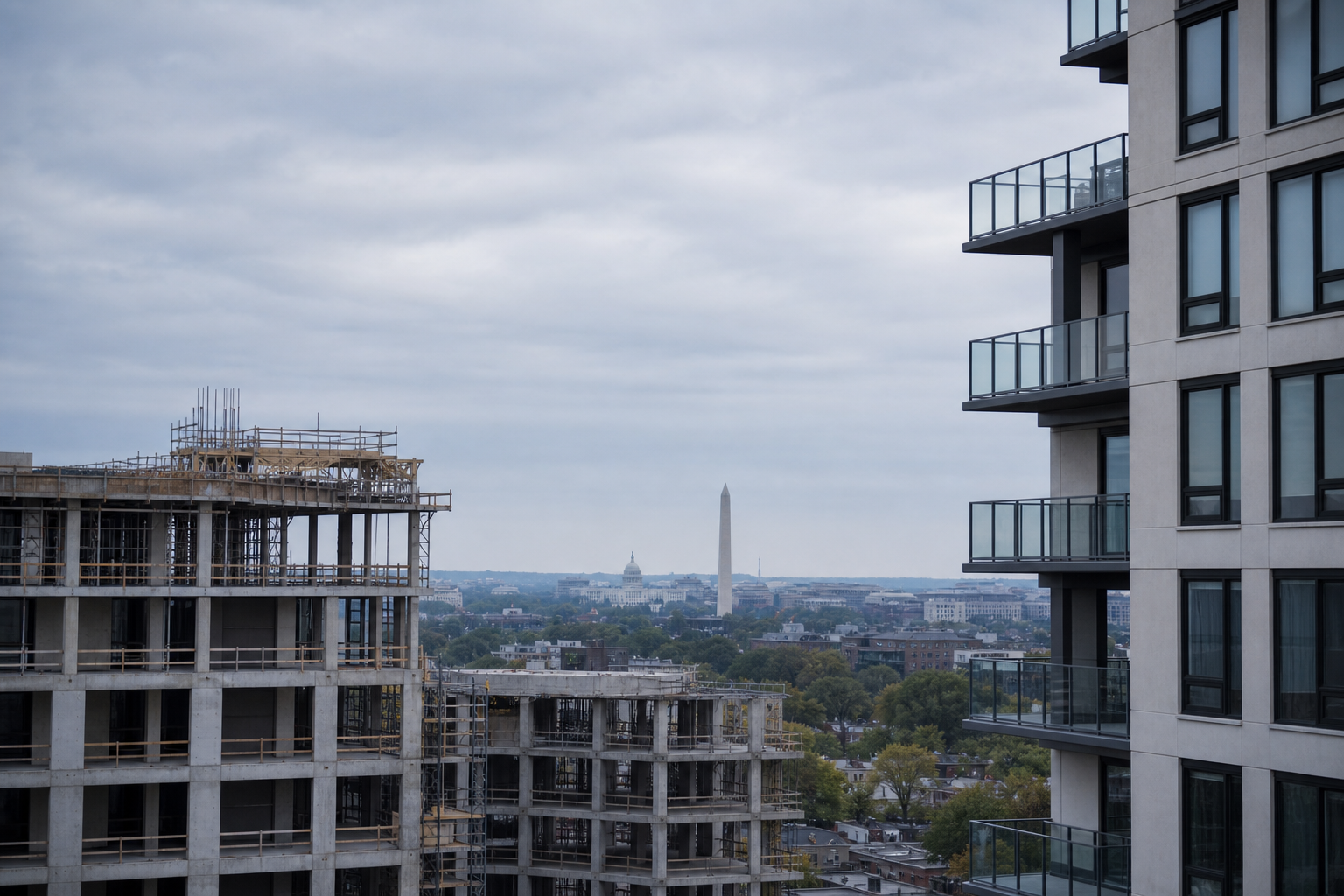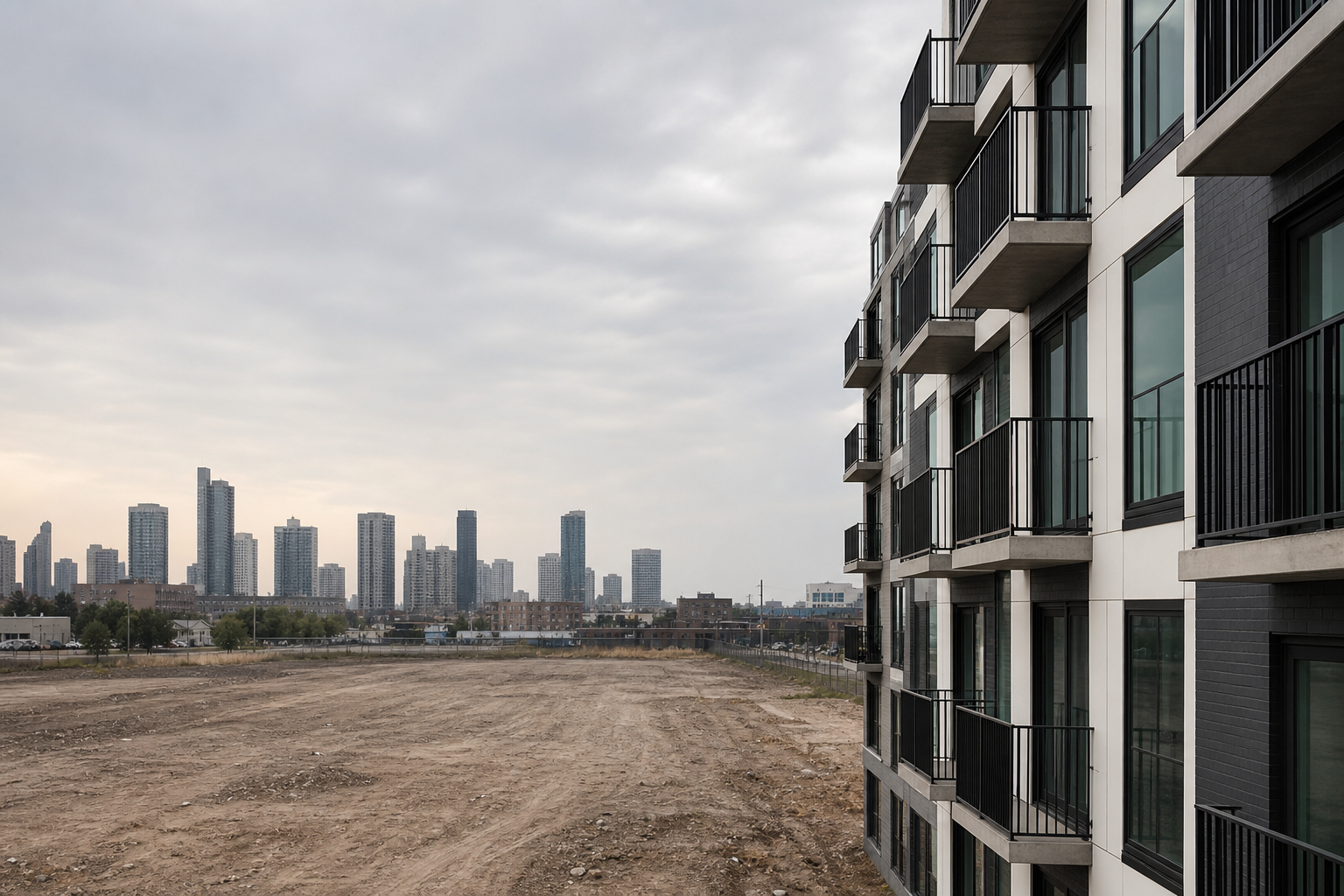
The Signal: U.S. multifamily construction starts fell to roughly 55,000 units in Q1 2026, the lowest quarterly total since 2011 and about 73% below the early-2022 peak, per CoStar and Apartments.com. Units under construction have fallen to about 579,000, down roughly half from the 2023 high above one million.
The forward calendar is thinning fast. Deliveries are projected to fall 28% to about 382,000 units in 2026, then another 24% in 2027, as elevated construction costs, high financing rates, and flat rent growth erase the spread that justifies breaking ground.
That pullback lands as capital rushes into other corners of CRE. Brookfield and CPP agreed to take LXP Industrial private at a 19.8% premium; Prologis posted record leasing and raised guidance a second time; Nvidia anchored a $9.8 billion, 15-year data-center lease in Texas. Where the forward math is clean, capital is paying up.
Our Read: The apartment story is a timing story, and the timing just inverted. Today's soft rents reflect a record wave of 2024 and 2025 deliveries still being absorbed. Starts at a 15-year low mean the 2027 and 2028 competitive set is being canceled while it is still on the drawing board. The market is pricing the glut it can see and ignoring the drought it cannot.
That gap is the opportunity. Feasibility discipline is now a moat: the developer who can make a site pencil now, before costs ease and competitors return, captures a delivery window with almost no new supply. Scarcity, not rent bravado, is the underwriting thesis.
The capital markets are already voting. The through-line connecting an industrial take-private, a logistics guidance raise, and a hyperscale AI lease is that institutional money is concentrating in assets with a legible forward supply constraint. Apartments are about to have the most legible constraint of all, a pipeline that is visibly emptying, yet the equity is looking the other way because current rents are soft.
For underwriters, the discipline is to separate the trailing print from the forward setup. Rent comps describe the last cycle's supply; the start data describes the next one's. Deals underwritten to a 2027 delivery are handed a shrinking competitive set, if the sponsor can survive the soft patch in between.
Stakeholder lens: Developers who can make a 2027 delivery pencil buy into an empty calendar. Investors gain scarcity value on stabilized stock. Lenders find the cliff supports exit assumptions, though the bridge to 2027 holds the risk. Operators who hold units into the drought regain pricing power first.
Key Takeaways
The apartment supply wave is not just cresting, the next one is being canceled. 2027 belongs to whoever still owns units, and capital is already paying premiums everywhere the forward math is this clean.
The apartment supply wave is cresting while the next one is canceled
Soft trailing rents hide a forward supply drought being written now
Capital is paying premiums wherever the forward supply math is legible
Which markets hit the air-pocket first is not settled; Sun Belt metros may stay soft into 2026 while supply-starved coastal and Midwest markets inflect sooner. And if financing costs ease, some shelved starts could revive and partially refill the 2028 calendar.
CoStar Group / Apartments.com — Q1 2026 Multifamily Construction Activity Update, 2026; CRE Daily — US Apartment Construction Starts Hit 15-Year Low, 2026; Commercial Observer — US Multifamily Construction Starts Drop to Lowest Level Since 2011, May 2026; CRE Daily / The Real Deal — Brookfield, CPP to Take LXP Industrial Private, July 2026; Prologis — Q2 2026 Results (Form 8-K), July 2026; Data Center Dynamics / Financial Times — Hut 8 Beacon Point lease, July 2026
Get The Apartment Pipeline Is Emptying in your inbox
Starts just hit a 15-year low, and 2027's supply cliff is now on the record.