The Signal:
- The seller is motivated by governance, not by asset performance.
- Well-capitalized buyers are harvesting the discount.
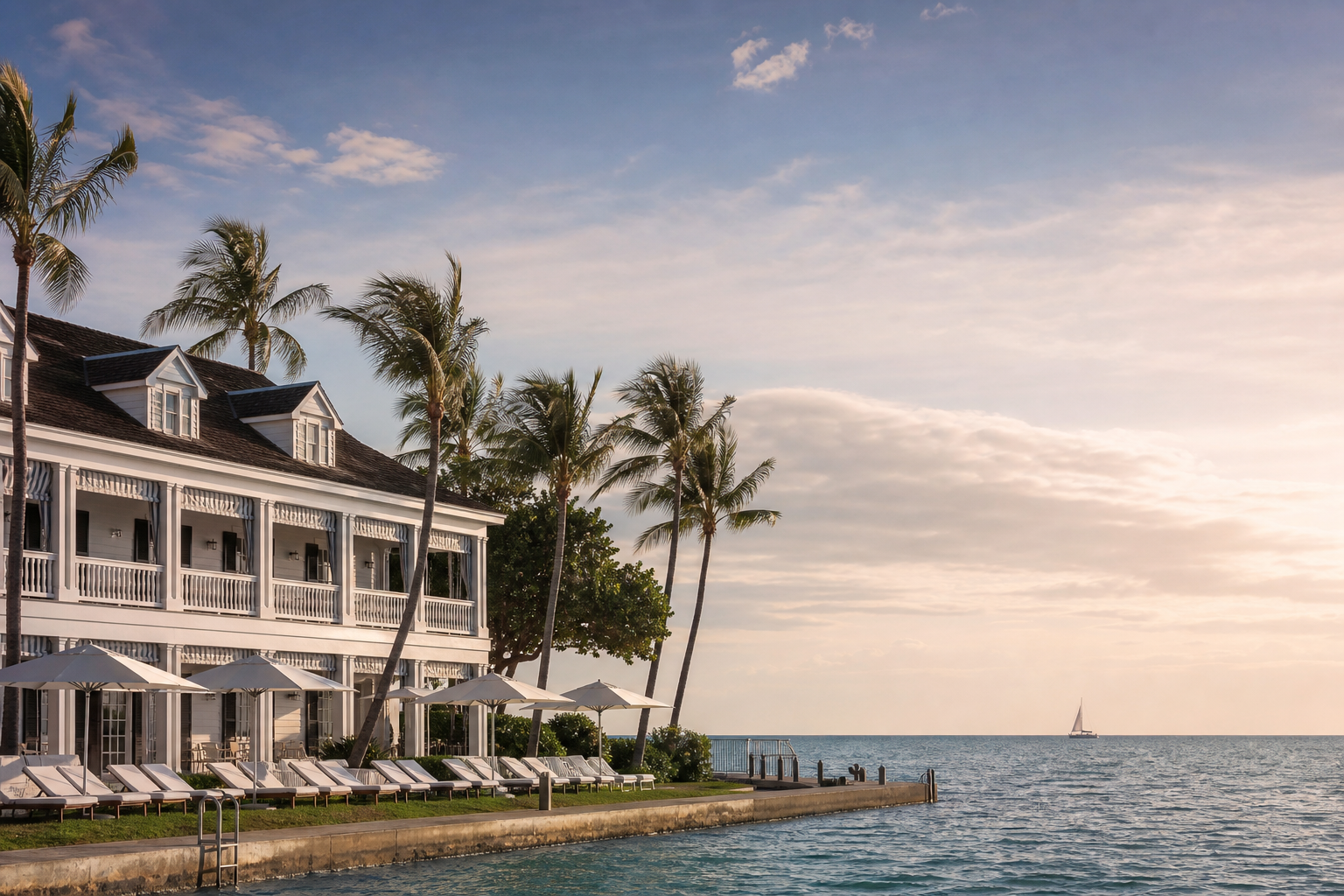
Sixth Street, with Riller Capital, acquired the 142-key Pier House Resort and Spa in Key West for 190 million dollars, or roughly 1.3 million dollars per key. Seller Braemar Hotels and Resorts is divesting strong assets not because they underperform, but because unwinding its external-management arrangement with Ashford requires a payout of about 480 million dollars.
That converts a healthy portfolio into forced inventory, and disciplined buyers are collecting it at trophy prices that still embed a motivated-seller edge. Sixth Street also bought the 193-key Park Hyatt Beaver Creek from Braemar for 176 million dollars earlier in 2026.
The structural lesson is about governance. Externally managed REITs carry termination and conflict costs that can force asset sales on the manager timeline, not the market timeline, a recurring source of mispriced supply.
Implications: For buyers, watch governance events such as manager splits, activist pushes and REIT wind-downs as a deal-sourcing signal. For LPs, externalization terms are a real, quantifiable risk. For sellers, a structural clock is the weakest negotiating position there is.
Related coverage
Key Takeaways
- Braemar adviser breakup is manufacturing trophy hotel supply; the best special-situations deals this cycle are governance-driven, not distress-driven.
- The seller is driven by governance, not asset weakness
- Externally managed REITs can be forced to sell on the manager timeline
- Governance-driven forced sellers are the cleanest special-situations supply
Hotel Dive - Braemar Sells Key West Resort for 190 Million Amid Shift to Self-Managed REIT, August 2026 · CoStar - Sixth Street Buys Key West Resort From Luxury REIT Braemar, August 2026 · Commercial Observer - Sixth Street Acquires Iconic Pier House Hotel in Key West for 190 Million, August 2026
Never miss a Signal
Get the daily brief that busy CRE professionals rely on.