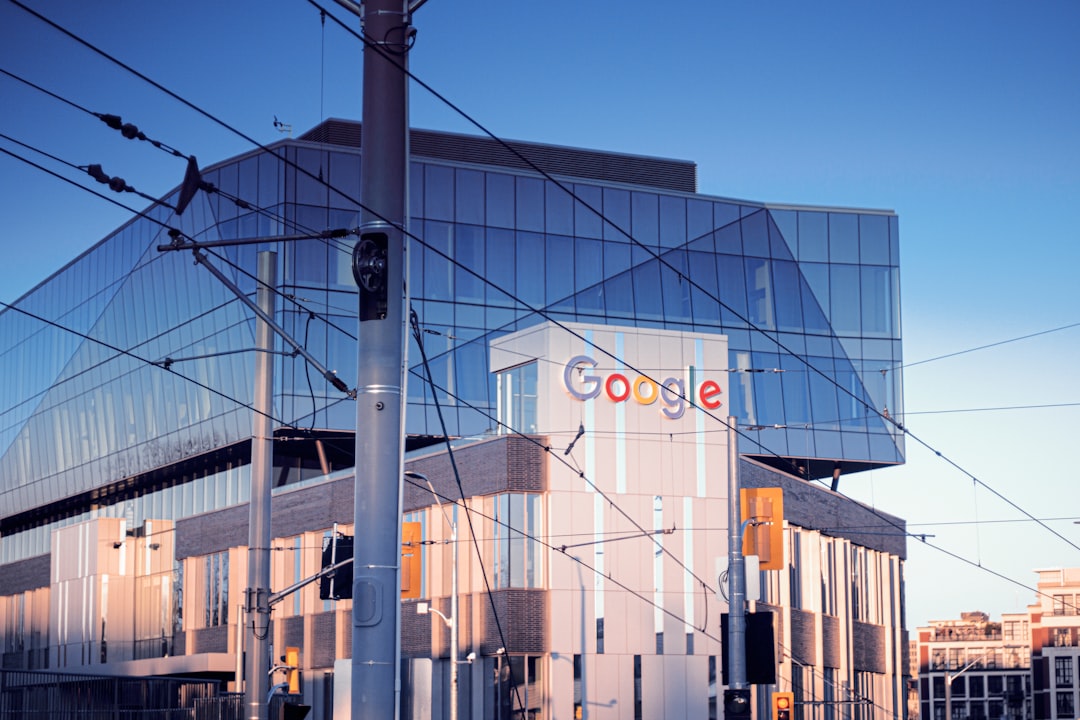


🚨Key Highlights
• Google commits $4B to largest-ever Texas data center campus, phased over several years
• Hyperscale absorption up 11% YoY despite 7% construction cost rise (CBRE Q3 2025)
• Traditional CRE transaction volumes down 23% YoY; office and retail lag
• Local incentives intensify, with Red Oak offering new utility and tax packages
• Institutional tech capital buffers regional construction labor and land pricing volatility
Signal
Google’s unprecedented $4 billion pledge for a new Red Oak, Texas data center campus sets a new benchmark for institutional-scale CRE capital deployment in 2025. While most traditional asset classes face stalling transaction volumes and tightened credit, hyperscale tech users continue to mobilize multi-phase developments. This divergence not only reshapes local construction and land markets, but also signals a broader realignment of capital flows and underwriting standards across the Central US.
Institutional Tech Capital Outpaces Traditional CRE
Google’s Texas campus is the largest single data infrastructure investment ever announced by the company in the state, highlighting the growing chasm between tech-driven and legacy CRE sectors. According to CBRE Q3 2025, hyperscale user absorption rose 11% YoY nationally, even as average construction costs increased by 7%. In stark contrast, office and retail transaction volumes across the Central US have fallen by 23% over the same period (MSCI Real Assets Q3 2025). “It’s a different world for tech-backed projects,” notes one Dallas-based CRE broker. This scale of institutional capital not only insulates data center builds from credit stress, it also accelerates land competition and utility corridor pricing.
Local Incentives and Labor Dynamics Shift
Municipalities like Red Oak are intensifying incentive packages—offering utility deals and tax abatements—to attract hyperscale tenants and the development jobs they bring. Dallas Business Journal reports that such incentives have increased 15% in aggregate value across the region since 2024. By contrast, smaller operators and conventional developers, often reliant on syndicated bank debt, face tightening capital terms. The result: large tech projects absorb both skilled labor and land at premium rates, potentially crowding out traditional CRE construction. Cranes cluster at dawn along the I-35 corridor, a visual emblem of this allocation shift.
Capital Markets and Credit Segmentation Deepen
As institutional balance sheets underwrite the bulk of current risk, lenders are recalibrating credit standards for non-tech CRE. Data center yields have compressed by 40 bps since Q2, reflecting both stable demand and perceived credit safety (CBRE Q3 2025). Meanwhile, regional banks have pulled back from funding speculative office and retail, citing higher vacancies and slow leasing. This segmentation amplifies capital market bifurcation; if hyperscale commitments persist, local liquidity will increasingly favor tech-aligned projects. Underwriting discipline for legacy assets tightens further.

Should Google’s phased build proceed on schedule, area construction labor and utility providers could see steady demand through 2028. However, if financing conditions for traditional CRE remain restrictive, smaller developers may struggle to compete for resources or land. Local governments may escalate incentive offers to retain relevance in the hyperscale arms race. Ultimately, the spread between tech-driven and legacy asset capital flows becomes a structural market feature—unless credit or policy environments shift materially.
“Liquidity isn’t distributed—it’s concentrated where risk is best understood.”

Bisnow. CBRE US Data Center Trends Q3 2025. MSCI Real Assets Q3 2025. Dallas Business Journal.

Never miss a Signal
Get the daily brief that busy CRE professionals rely on.