➤ SIGNAL
Demand is outrunning a deliberately shrinking pipeline — the textbook setup for a new rent cycle.
Tenant preference is bifurcating toward newer, power- and automation-ready buildings.
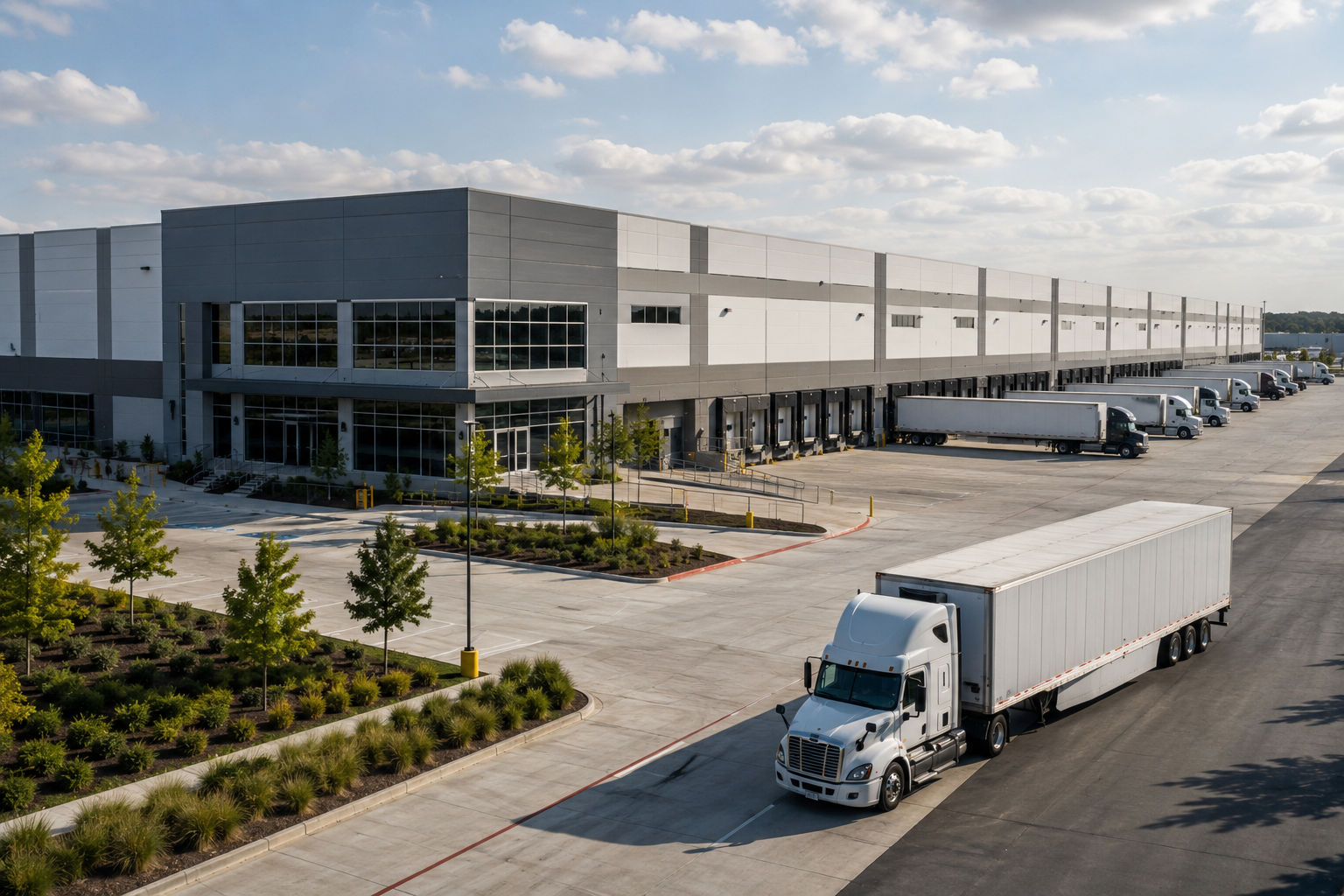
Industrial spent two years digesting a pandemic-era supply binge. The Q1 data says that digestion is largely done: absorption is rising, deliveries are falling, and the two lines are about to cross. When absorption outpaces supply against a 7% vacancy that has stopped climbing, rent power returns.
The flight-to-quality matters for underwriting. Demand is concentrating in modern, high-clearance, high-power boxes that can support automation and AI-adjacent logistics. Older, underpowered product will lag — the same trophy-vs-commodity split now visible in office.
The geography is inland. The strongest performers are interior distribution hubs, not coastal port markets — a reminder that the supply-chain map keeps redrawing itself.
Implications This is a fundamentals story, distinct from the M&A-driven industrial take-privates pricing the public-private gap. For owners, the read is patience: the cycle is turning, but the rent recovery is asset-specific.
Related coverage
Key Takeaways
- Falling supply plus rising absorption is how a sector turns — industrial is mid-turn.
Newmark Q1 2026 office report via CRE Daily / CommercialCafe — late May 2026 · Tag: Office / Leasing
Never miss a Signal
Get the daily brief that busy CRE professionals rely on.