The Signal:
- Institutional capital is competing for necessity retail, not avoiding it.
- Full occupancy plus a regional grocery anchor is the target profile.
- Pricing reflects durable cash flow, not distress.
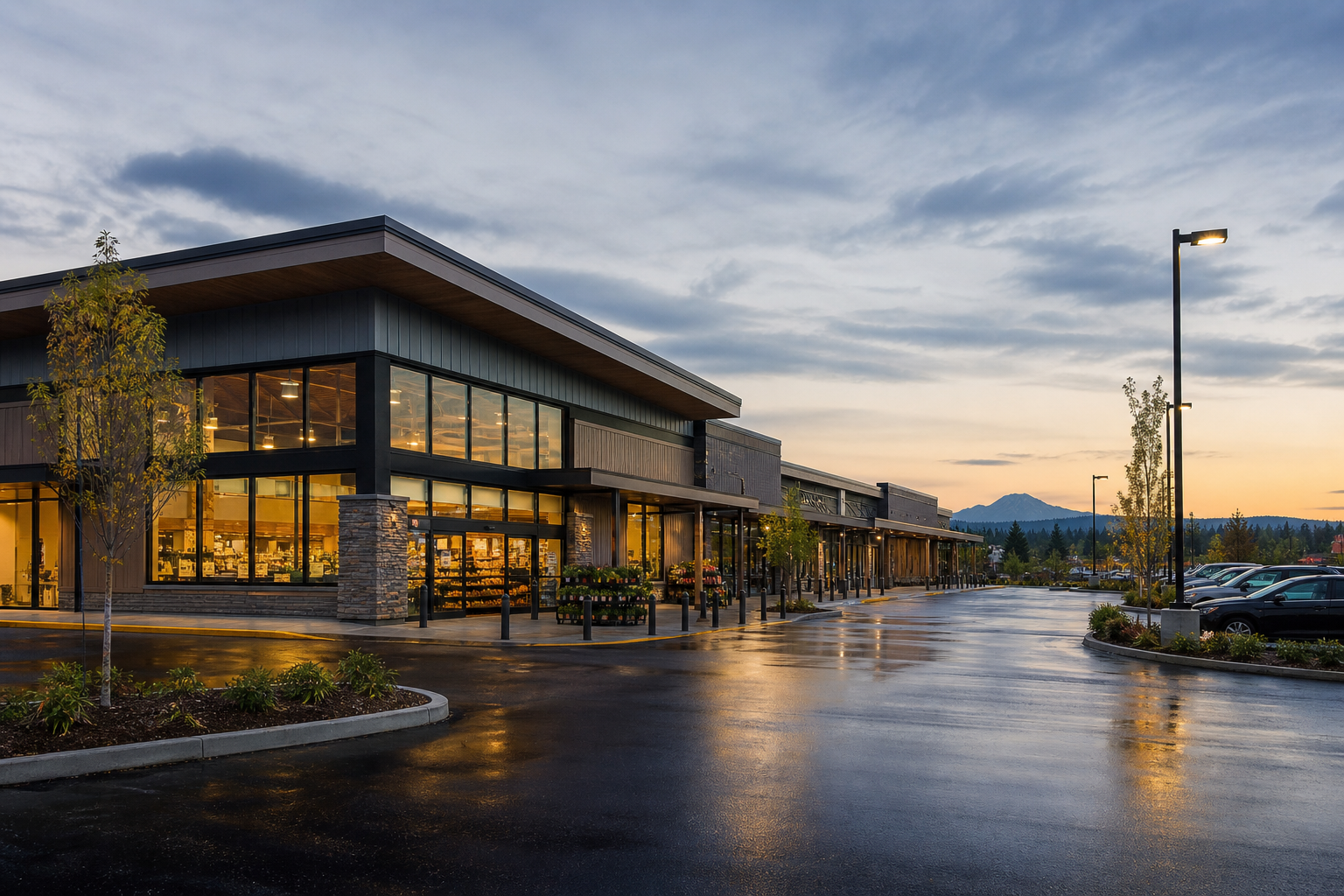
Grocery-anchored retail has quietly become one of the most contested asset classes in CRE. A $69.5M institutional check for a fully leased suburban center — anchored by a regional, not national, grocer — shows the bid has broadened past trophy coastal centers into secondary metros.
The economics are about durability. A 100%-leased daily-needs center throws off predictable income insulated from e-commerce, and after years of almost no new retail supply, existing centers with the right anchor are effectively irreplaceable.
The structural read is scarcity meeting capital. With little being built, institutional buyers are paying for occupancy and anchor credit rather than waiting for a discount a thin pipeline will not produce.
Implications: Owners of leased, grocery-anchored centers have a deep institutional bid and real exit pricing. Sellers of un-anchored strip retail still face a wide quality gap. For buyers, the diligence is anchor health and lease term — at full occupancy, the margin of safety is the rent roll.
Related coverage
Key Takeaways
- Necessity retail is being bought for its rent roll, not its basis — and the institutional bid has moved into secondary metros.
- Institutional capital is competing for necessity retail, not avoiding it
- Full occupancy plus a regional grocery anchor is the target profile
- Pricing reflects durable cash flow, not distress
Connect CRE — Intercontinental Acquires Grocery-Anchored Retail Center in Auburn for $70M, July 2026 · Institutional Real Estate, Inc. — Intercontinental acquires grocery-anchored retail center in Washington for $69m, July 2026
Never miss a Signal
Get the daily brief that busy CRE professionals rely on.