The Signal:
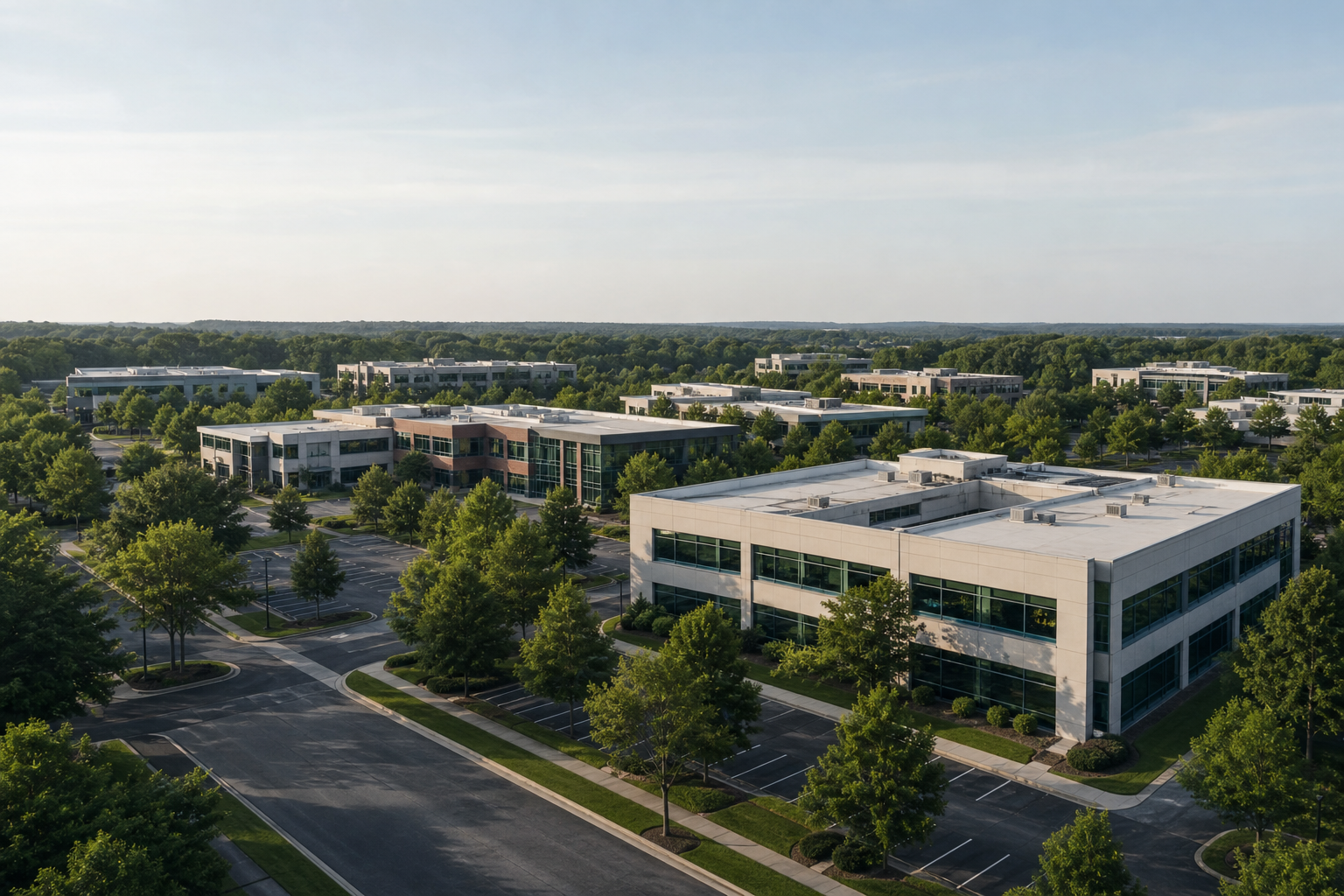
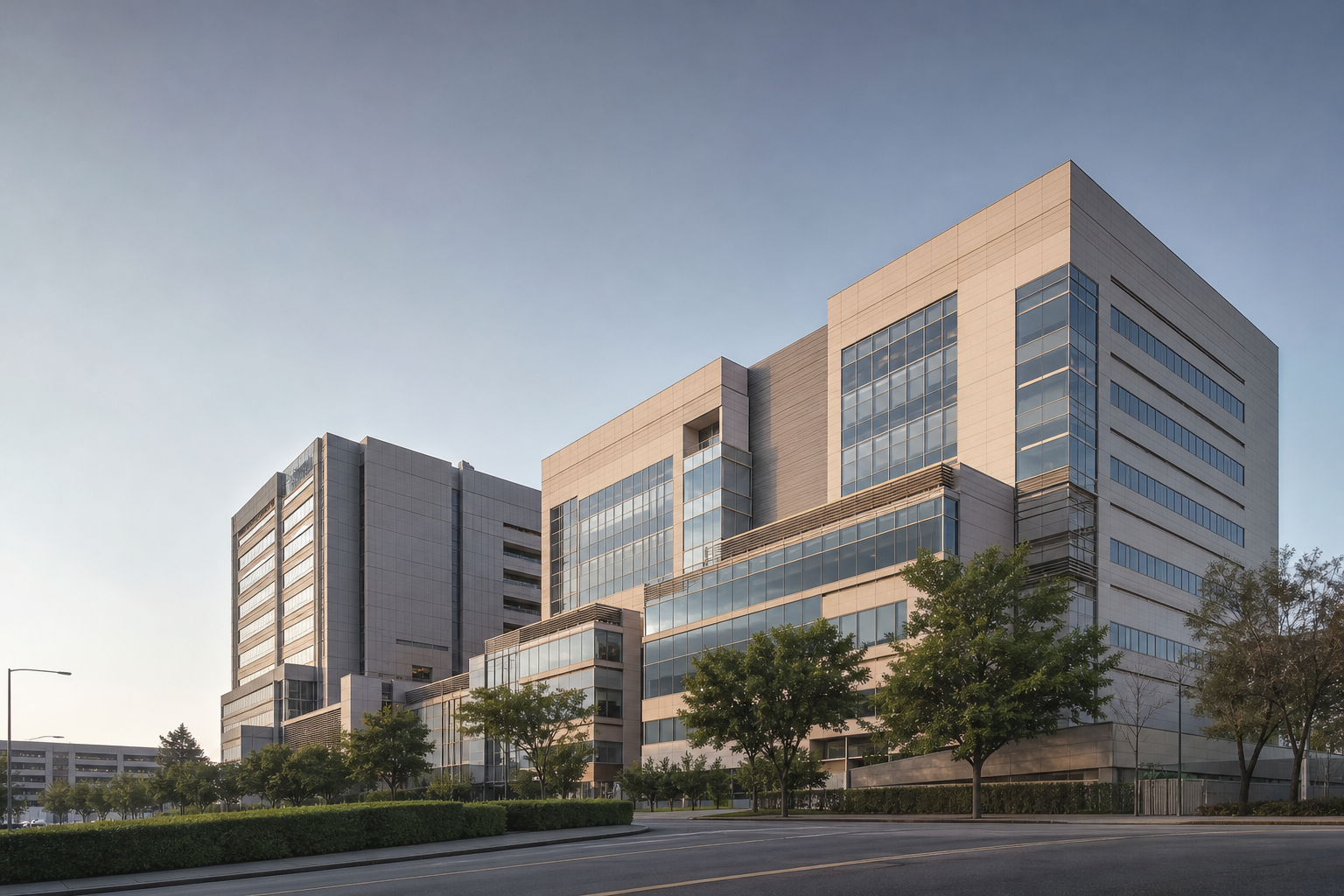
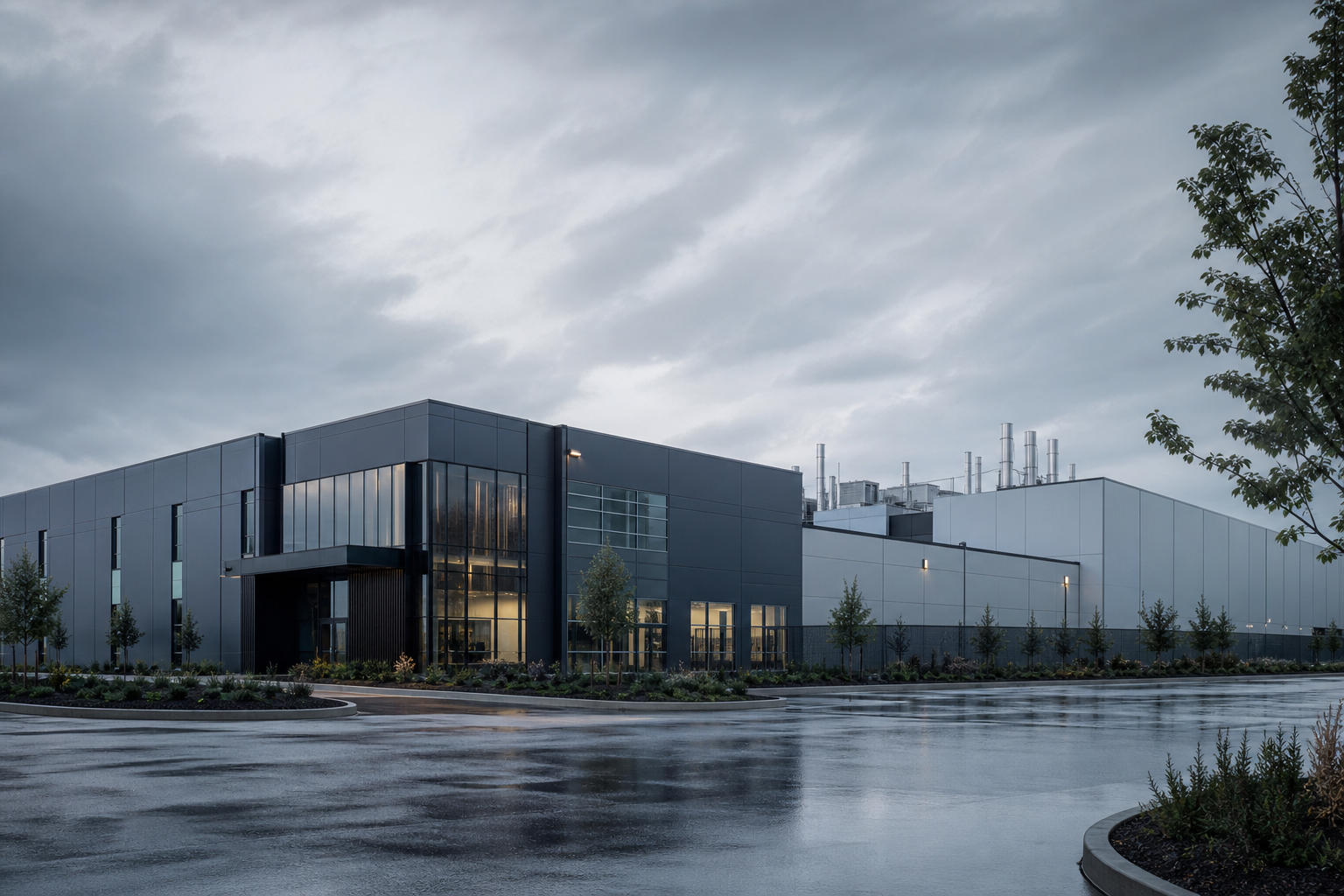
Breakthrough Properties, the joint venture between Tishman Speyer and Bellco Capital, acquired 215 Shuksan Way in Everett, Washington for 78 million dollars. The recently delivered biomanufacturing facility spans 270,000 square feet, putting the basis at roughly 289 dollars per square foot. The purchase was made from Breakthrough's second life science fund and is the platform's first investment in the Puget Sound region.
The second half of the announcement is the part that matters. In tandem with the acquisition, Breakthrough secured a separate 21-year lease for the entire campus with a global biopharma company, which will use the site to create a U.S. manufacturing facility. The property carries a full capability set: drug manufacturing, quality-control laboratories, warehouse and distribution logistics, and administrative office.
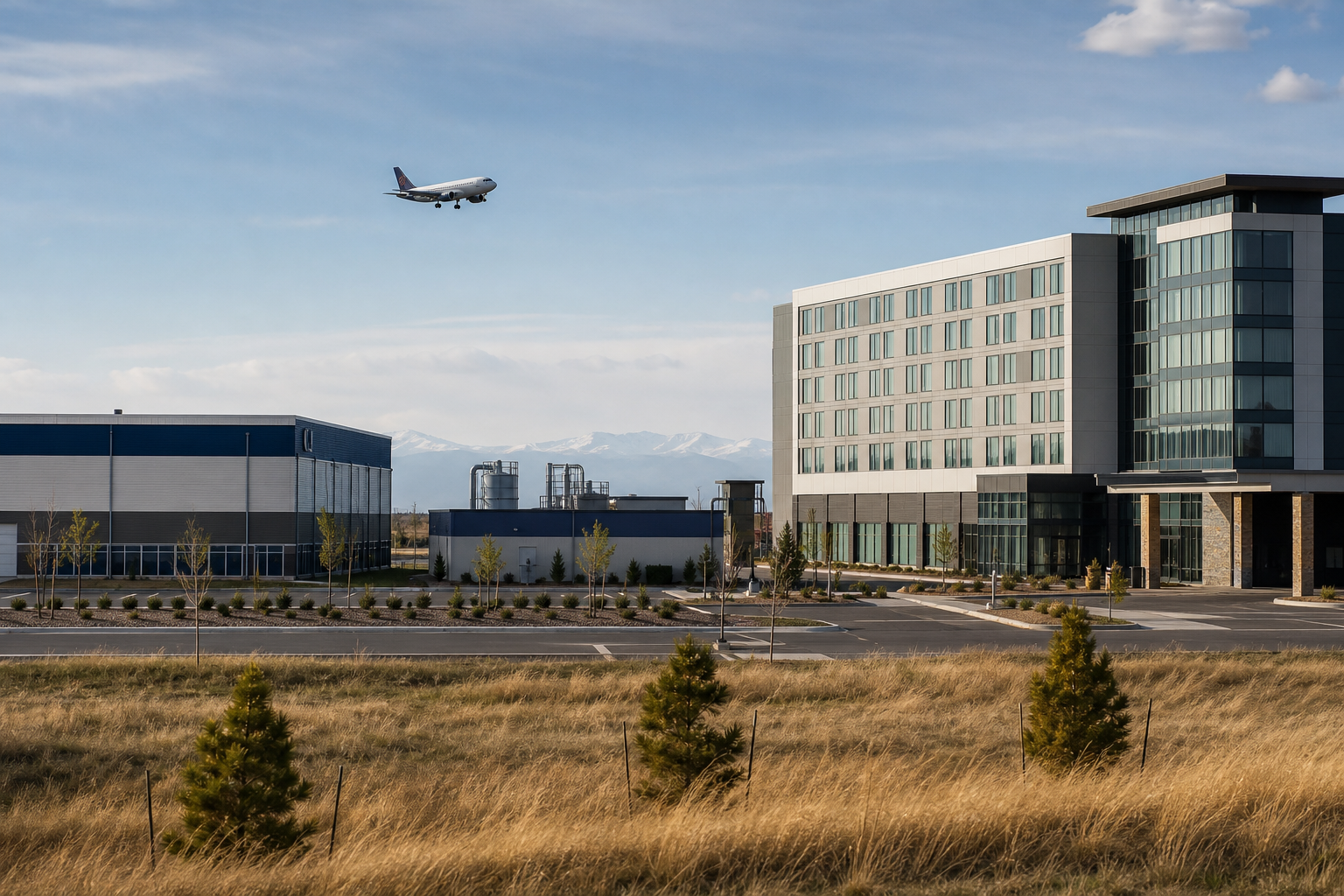
The location profile reads industrial, not academic. The site sits approximately 25 miles north of Seattle along the I-5 corridor, with connectivity to Seattle-Tacoma International Airport, Paine Field, the Port of Everett, and rail access into major North American freight corridors.
Implications / Our Read:
The market has been pricing life sciences off a single narrative: venture funding contracted, lab construction overshot, vacancy spiked in Boston, South San Francisco and San Diego. All of that is accurate. It is also a description of one product type, speculative wet-lab shell built for early-stage tenants who lease three to seven years, burn tenant-improvement dollars, and are gone or acquired before the second renewal.
GMP manufacturing is a different asset with different physics. Validated clean rooms, utility and redundancy loads, and regulator-approved production lines mean that once a biopharma qualifies a facility with the FDA, relocating is a multi-year, nine-figure exercise. The switching cost is the credit enhancement. That is why the lease runs 21 years. The duration is not a negotiating outcome, it is a structural feature of what the tenant does inside the building.
That reframes the basis. At 289 dollars per square foot for a fully-let asset with two decades of term, this is not a life science cap rate. It is closer to how the market prices single-tenant industrial infrastructure: long duration, credit-driven, low re-tenanting probability, high replacement cost. The buyer is underwriting contractual income, not lease-up.
The demand engine behind it is reshoring. Pharmaceutical companies re-domesticating U.S. production need capacity that already exists and is already qualified, because greenfield manufacturing runs roughly four years to build and longer to validate. That scarcity shows up as duration on the lease rather than as rent spikes, and duration is what institutional capital has been unable to find in life sciences until now.
There is a caution embedded here. The same features that make GMP manufacturing durable make it hard to repurpose. A purpose-built drug plant is not a flexible box. If the tenant credit fails or the product line is discontinued, the re-tenanting universe is small and specialized. Long duration is not the same as no risk; it concentrates the risk at one point in time, twenty-one years out.
Stakeholder Lens: Owners holding empty spec lab should stop treating trades like this one as evidence their asset has recovered, because it is a different product with a different buyer. Developers should note that the buildable, financeable life science product is manufacturing capacity, not shell. Lenders should size this class against net-lease and industrial-infrastructure comparables rather than life science comparables, while stress-testing single-tenant concentration and the cost of specialized improvements. Allocators should recognize that a sector-level vacancy statistic is now averaging two products that trade at entirely different cap rates.
Related coverage
Key Takeaways
Life sciences did not recover, it split. The half with 21-year manufacturing leases is being priced as infrastructure, and the sector vacancy statistic no longer describes either half accurately.
Life sciences has split into two assets sharing one label and one misleading vacancy statistic
FDA facility qualification is the switching cost that produces 21-year lease duration
At roughly 289 dollars per square foot with two decades of term, this prices as net-lease infrastructure, not as lab
Reshoring creates duration rather than rent spikes, which is what institutional capital has been unable to find in the sector
Long duration concentrates risk rather than removing it: a purpose-built plant has a small re-tenanting universe
The biopharma tenant has not been named, so the credit behind the 21-year term cannot yet be independently assessed. The lease rate and escalation structure were not disclosed, which leaves the actual going-in yield unknown. And it is not yet clear whether this is the start of a repeatable institutional bid for GMP manufacturing or a well-executed one-off in a market Breakthrough had not previously entered.
Connect CRE - Breakthrough Properties Acquires, Fully Leases Puget Sound Biomanufacturing Campus, August 14 2026
Get The Lease Term Was the Headline in your inbox
A 78 million dollar Seattle-area drug plant came with 21 years of rent attached.