The Signal:
- Financed retail in a secondary metro is a credit-availability data point.
- Lenders funded 65% of a non-grocery center, retail is off the blacklist.
- The debt terms matter more than the headline price.
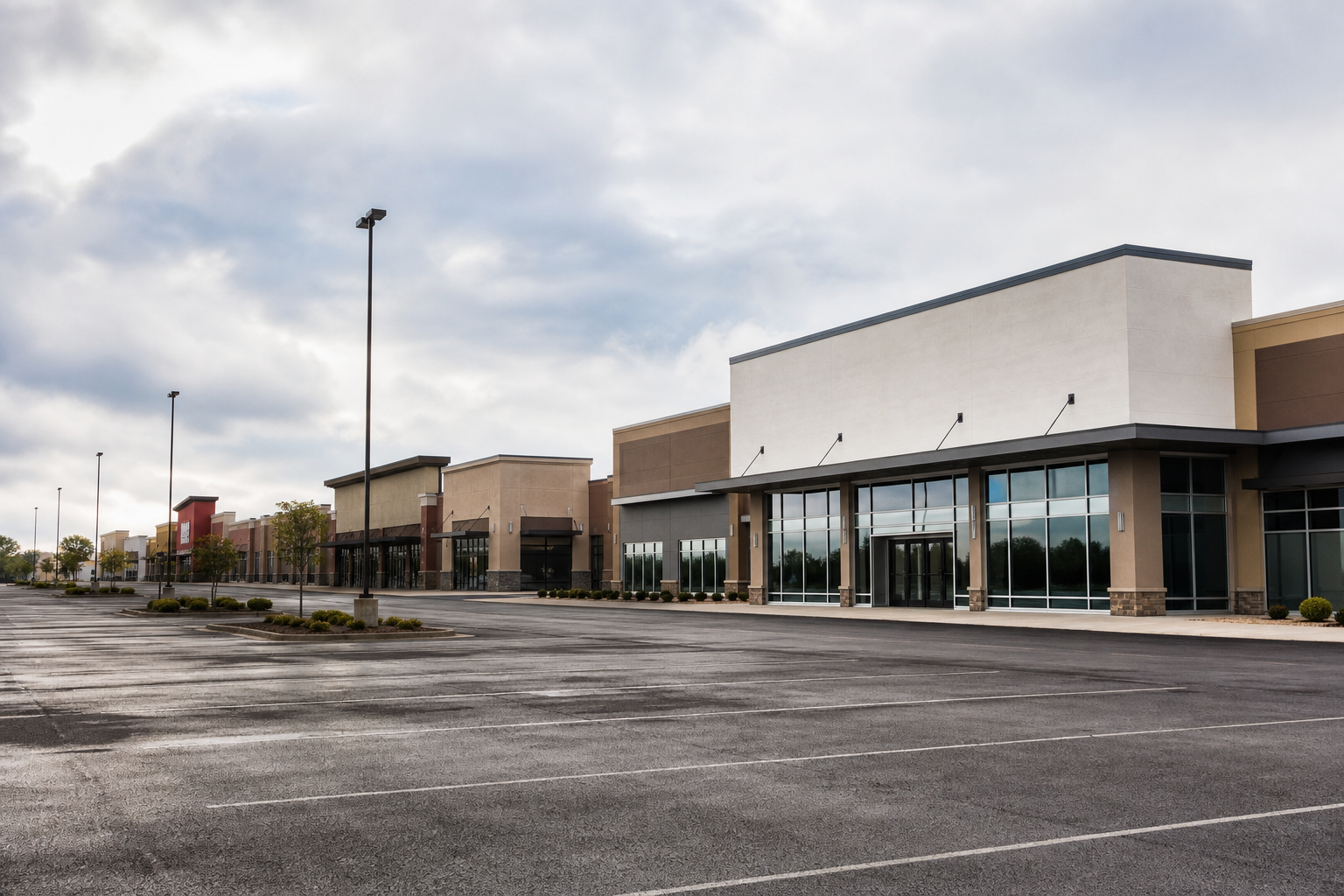
Marquee Capital paid $51M for the 233,727 SF Merchants Square power center in Carmel, Indiana, an affluent Indianapolis suburb, with a $33.1M acquisition loan attached, about 65% loan-to-value on a non-grocery, multi-tenant center.
The mechanism is normalized retail cash flow. Well-occupied suburban power centers in high-income trade areas throw off the coverage lenders want, so debt shows up at reasonable leverage. Carmel demographics do more underwriting work than the asset-class label ever did.
The structural read is that the retail-is-dead credit discount has quietly closed for the right centers. Financeability has migrated from format to fundamentals, trade area, tenancy, coverage, and secondary metros clear when those line up.
Implications: For owners, financeable retail extends well past grocery-anchored core. For buyers, secondary-metro power centers offer yield with debt behind them. For lenders, demographics and coverage, not the retail headline, set the terms.
Key Takeaways
- When a suburban power center trades with 65% debt attached, retail credit blacklist is already history, for the centers that cover.
- Financed retail in a secondary metro is a credit-availability signal
- Lenders funded 65% of a non-grocery center, retail is off the blacklist
- Financeability now tracks fundamentals, not format
Commercial Real Estate Direct - Indianapolis-Area Retail Center Sells for $51Mln, Gets $33.1Mln Loan, August 4 2026
Never miss a Signal
Get the daily brief that busy CRE professionals rely on.