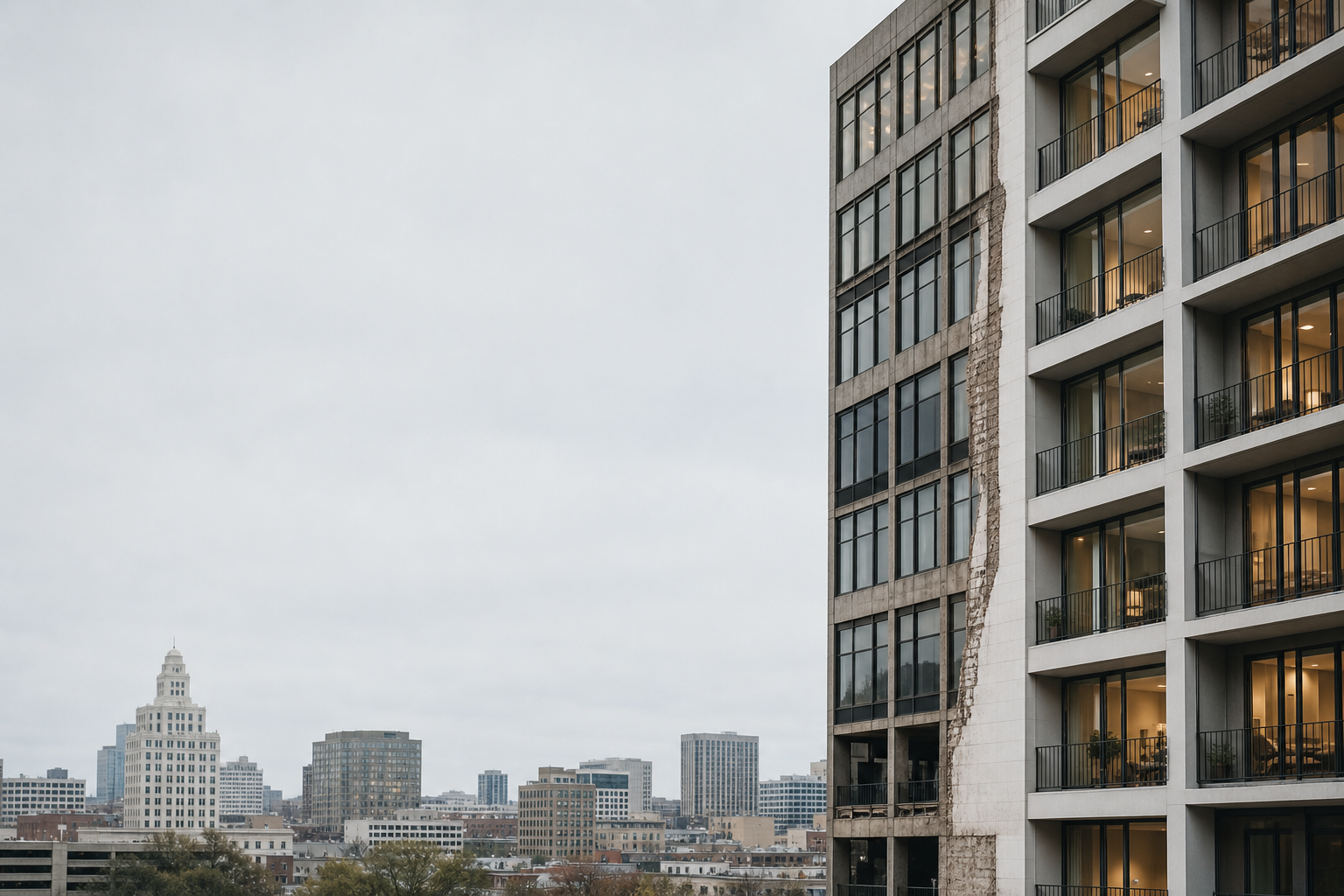
The fastest-growing use for U.S. office in 2026 isn't office. It's housing, and the math finally works.
RentCafe's 2026 conversion report puts the national office-to-apartment pipeline at about 90,300 units, a 28% jump in one year and nearly quadruple the 2022 count. Conversions now make up roughly half of all adaptive-reuse activity in the country.
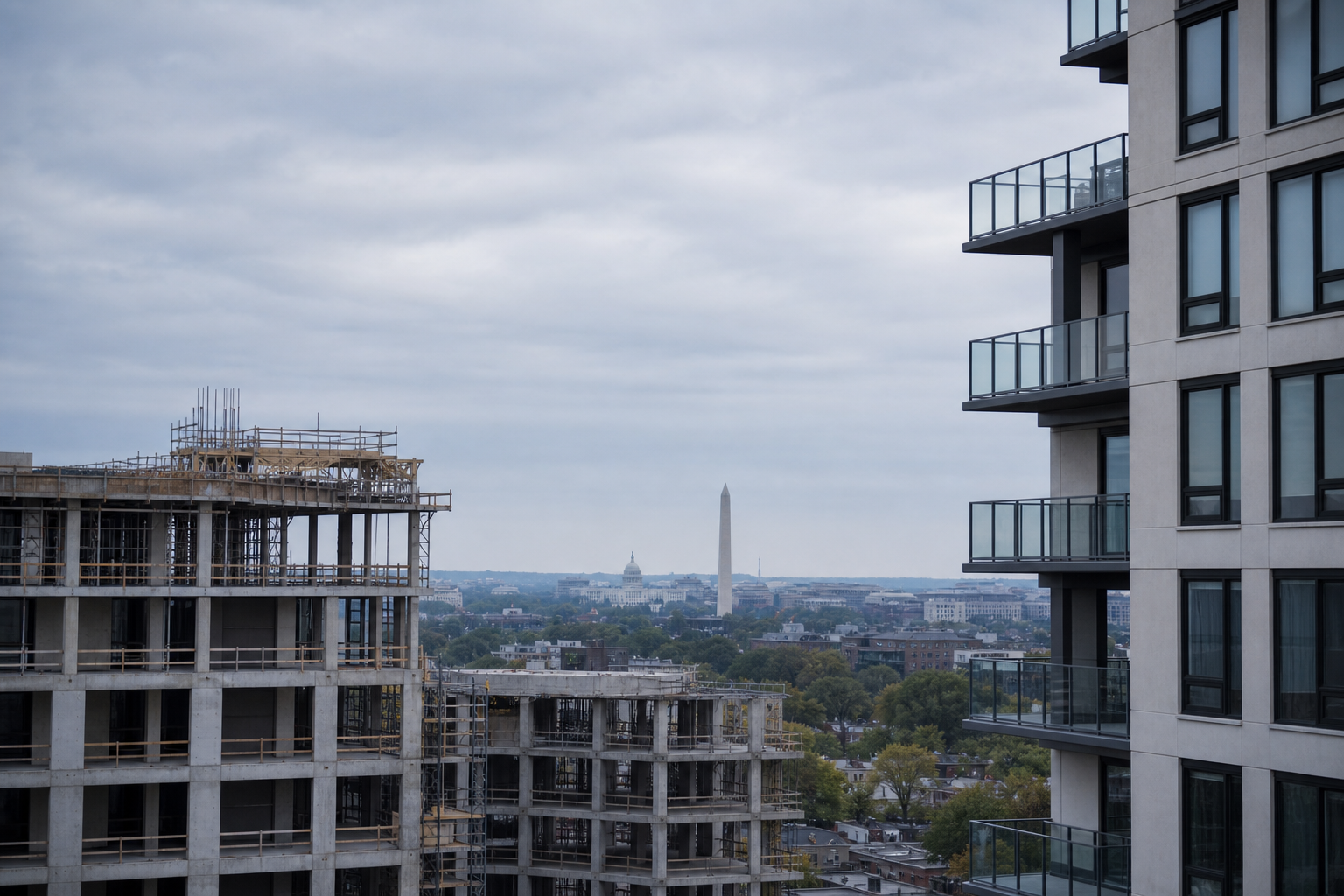
The Signal. The geography is concentrated where old office and housing scarcity overlap. New York leads with more than 16,000 units in conversion, Washington DC follows near 8,500, and Chicago clears 4,300. The faster story is at the edges: Denver, Philadelphia and St. Louis each more than doubled their pipelines in twelve months, pushing conversion from a coastal experiment into a national tool. The forces behind it are simple and durable, hybrid work has left a structural overhang of vacant office, while supply-constrained cities still can't build housing fast enough. Where those two curves cross, a converted building answers both problems at once.
Our Read. The number that matters isn't 90,300 units, it's what those units say about how office is being valued. A building that enters the conversion pipeline has stopped being priced as office. It's being priced as residential land with a shell attached. That is a basis reset, and it's happening at scale for the first time.
Conversion clears on one equation: the all-in cost of acquiring a distressed office building and rebuilding it as apartments has to sit below what those finished apartments are worth. For years that math worked in a handful of trophy edge cases. Two things pushed it into the mainstream, office values fell far enough to reset the land basis, and cities layered on zoning relief and tax abatement to close the last gap. The result is a threshold that far more buildings now cross.
Feasibility, not enthusiasm, still decides winners. Floorplate depth, window-line access, column spacing, plumbing risers and local code turn a promising tower into a dead deal or a fundable one. The metros scaling fastest are the ones that paired the right building stock with the right incentives, which is why Denver and St. Louis can suddenly compete with New York on growth rate. And every conversion quietly helps the office that stays. Pulling square footage out of the office denominator tightens the market for the remaining stock.
Stakeholder lens. For owners of commodity office, the residual buyer has changed identity: it's a residential developer pricing to land, not an office investor pricing to rent, and that reprices the exit. For developers, conversion is a feasibility discipline before it's a design exercise; the pro forma lives or dies on the physical building. For city governments, abatements and zoning relief are now active levers on housing supply, with real fiscal trade-offs. For lenders, conversion collateral underwrites to the housing exit and the construction risk of a gut rebuild, not to an office rent roll.
Key Takeaways
The most important thing happening to American office in 2026 isn't leasing, it's subtraction. A record 90,300 units are converting out of the office stock, and the buildings that go are being repriced as residential land. The office denominator is shrinking, one gut rebuild at a time.
Office is being subtracted, not leased: a record 90,300 units are converting out of the stock, up 28% YoY and ~4x the 2022 level
Entering the conversion pipeline reprices a building from office to residential land, a basis reset now happening at scale
The math clears because office values fell enough and cities added zoning relief and abatements, not because enthusiasm rose
Feasibility, floorplates, light, risers, code, still decides winners, and every conversion tightens the market for the office that stays
Whether the pace holds once the easiest buildings are done. The current pipeline skims the most convertible stock, good bones, good light, friendly zoning. The next tranche is harder and more incentive-dependent, and rising construction costs (fresh materials tariffs land August 19) cut directly into conversion budgets. Also open: how many of these 90,300 units actually deliver on schedule versus stall in a gut renovation that can expose expensive surprises mid-build.
RentCafe.com — 2026 Office-to-Apartment Conversion Report, July 2026; CRE Daily — Office Conversions Hit 90K, Boosting Adaptive Reuse, July 2026; The Real Deal — U.S. office-to-apartment conversions hit new high, 2026; Smart Cities Dive — Office-to-housing conversions grew 28% last year, 2026; fmlink — Office conversions pipeline hits 90,300 units nationwide for 2026, July 2026
Get The Office Denominator Is Shrinking in your inbox
America is converting office to apartments at a record pace, and quietly repricing the stock.