The Signal:
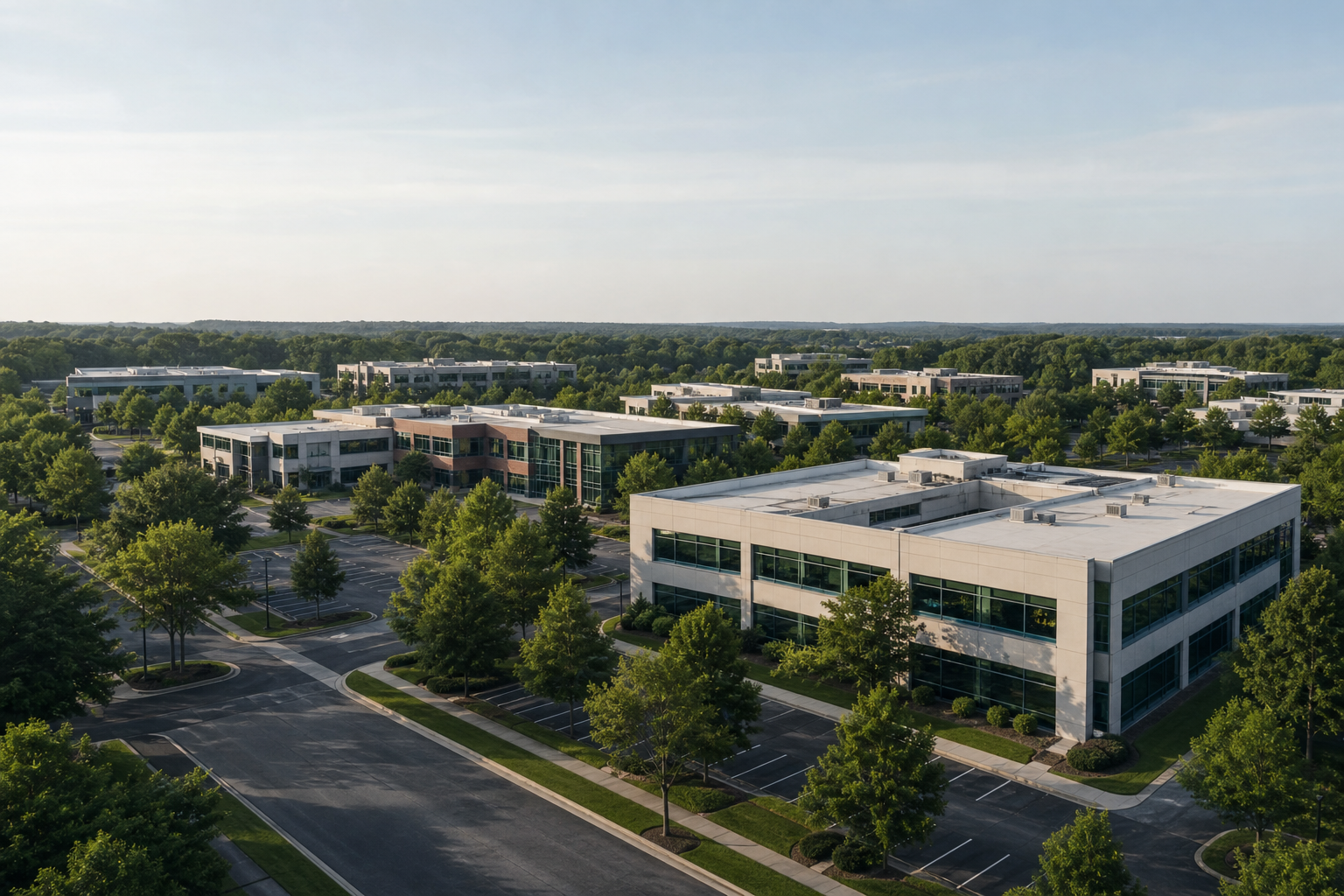
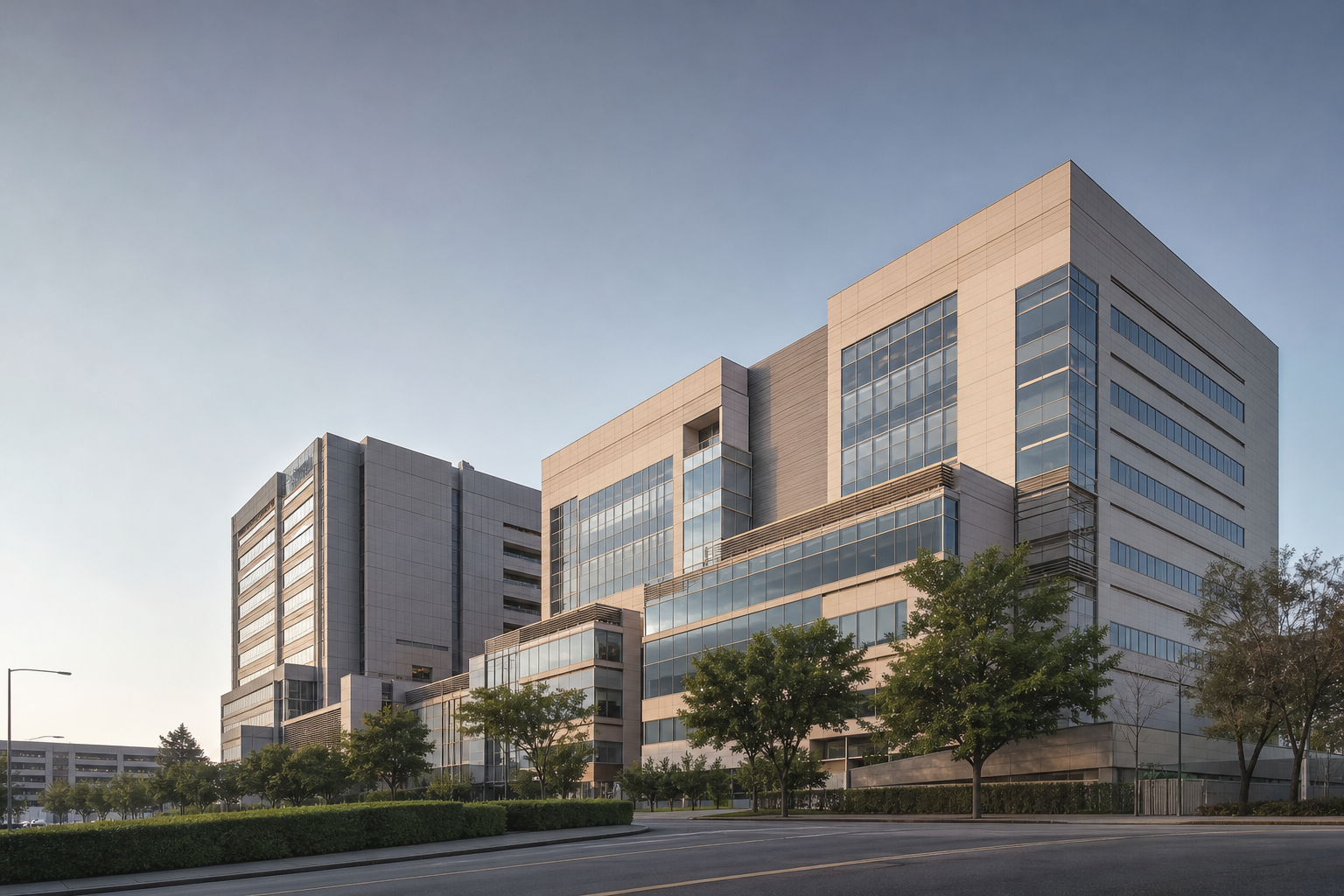
Two office deals bracketed the week, and they rhyme. In Charlotte, a venture of Corebridge Real Estate Investors and Crestlight Capital paid 91.75 million dollars on August 11 for the 199,673-square-foot Station at LoSo office property in the Lower South End, a leased, Class-A asset in a growth submarket. In Manhattan, 60 Guilders and Sentry Realty closed on 1441 Broadway for 238.2 million dollars, about 436 dollars a square foot, a 550,000-square-foot, 33-story Art Deco tower near Bryant Park that is roughly 90 percent leased, bought from the estate of L.H. Charney.
The financing is the part that signals a turn. Fortress provided a floating-rate acquisition loan equal to about 70 percent of total project cost on 1441 Broadway. Debt capital does not lend at that level against office unless it believes the occupancy and the rent story. And the rent story is explicit: the building is full of below-market leases, which is the entire reason to buy it. The return is manufactured by rolling those rents to market as leases expire.
This is not the distressed-office trade of the past three years, where the only clearing price was a discount to replacement cost on a half-empty tower. This is an offensive underwrite on a nearly full building.
Implications / Our Read:
The headline that office is back is wrong, and the headline that office is dead is now also wrong. What is actually happening is that the bifurcation has developed a live top end. Leased, well-located product with a gap between in-place and market rents has a real bid again. Commodity space, vacant space, and functionally obsolete towers still price wide or do not trade at all.
That reframes the underwrite. In this market the value is not in the cap rate you print on day one; it is in the spread between current rents and market, the lease-expiration schedule that lets you capture it, and the cost to re-tenant if a large user rolls. A 90 percent-leased tower at below-market rents is a coupon plus an option. A 90 percent-leased tower already at market is just a coupon. The buyers this week paid for the option.
The financing turn compounds it. When a lender like Fortress will fund about 70 percent of cost on floating rate, the equity check shrinks and the levered return on the reversion math improves. The debt market that gated office for three years is selectively reopening, for the specific profile of credible sponsor, real occupancy, and demonstrable rent upside.
For CRE360 readers, the discipline is old and unglamorous: underwrite the rent roll, not the asset class. The winners in this reopening are the buyers who can price a lease-expiration schedule and a re-tenanting cost, not the ones chasing a narrative in either direction.
Stakeholder Lens: Owners of leased, well-located office should mark to the returning bid before assuming their building is distressed, since the exit may be better than the narrative. Buyers should live in the in-place-versus-market spread and the expiry schedule, because that is the whole trade. Lenders re-entering office should gate on sponsor, occupancy, and reversion, and price the re-tenanting downside. Brokers should be surfacing below-market rent rolls as the product this capital is hunting.
Related coverage
Key Takeaways
The office bid is back, but only for a specific asset, leased, well-located, and under-rented. The trade is rent reversion, not distress, and the buyers proved the debt market will now fund it.
The office bid is back, but only for leased, well-located, under-rented product
The trade is rent reversion, not distress, and the return comes from rolling leases to market
Fortress funding roughly 70 percent of cost shows debt is selectively reopening for office
Underwrite the rent roll and the lease-expiration schedule, not the asset class
Whether the bid broadens past trophy-and-value-add into commodity space, or stays narrow; whether floating-rate acquisition debt holds if rates stay sticky; and whether below-market rent rolls actually roll to underwriting, or whether softening tenant demand caps the reversion the buyers are paying for.
Commercial Real Estate Direct - Office in Charlottes Lower South End Sells for 91.75 Million, August 11 2026; The Real Deal - Sentry Realty and 60 Guilders Close on 1441 Broadway for 238 Million, August 4 2026; Commercial Observer and PincusCo - 60 Guilders and Sentry Realty Pay 238.2 Million for 1441 Broadway, Fortress Acquisition Loan
Get The Office Bid Comes Back, Priced on Rent, Not Ruin in your inbox
Two office towers just traded on the same thesis: buy the leases, roll them to market, not buy the discount.