📢Good morning, today’s Signals are brought to you by CRE 360 Signal™.
The Mechanics of Recovery The "wait-and-see" era of commercial real estate is giving way to a new phase of active deployment as the industry’s "risk stack" finally aligns. From Benefit Street Partners’ $391 million multifamily loan acquisition to ACRES’ $1 billion CLO pricing, capital is no longer sitting on the sidelines—it is moving into structured vehicles and secondary markets. In 2026, the story isn't just about available dry powder; it’s about the sophisticated plumbing of debt, finance, and insurance finally opening the valves for large-scale execution.
🎧 Busy to read? Catch the Daily Podcast (Subscribe on YouTube, Apple, Spotify)➤ SIGNAL
The Execution Phase: Private Credit and Insurer Capital Surge to Meet CRE Demand
For the past year, the conversation around Commercial Real Estate (CRE) has been defined by "wait and see." But as we move deeper into Q1 2026, the narrative is shifting. We are no longer just talking about "dry powder"—we are seeing the deployment of actual capital, the scaling of structured finance, and the expansion of risk-transfer infrastructure.
This week’s developments signal that the "real-asset risk stack" is finally aligning, providing a functional bridge for institutional investors to move from the sidelines to the closing table.
1. The Secondary Market Finds Its Floor
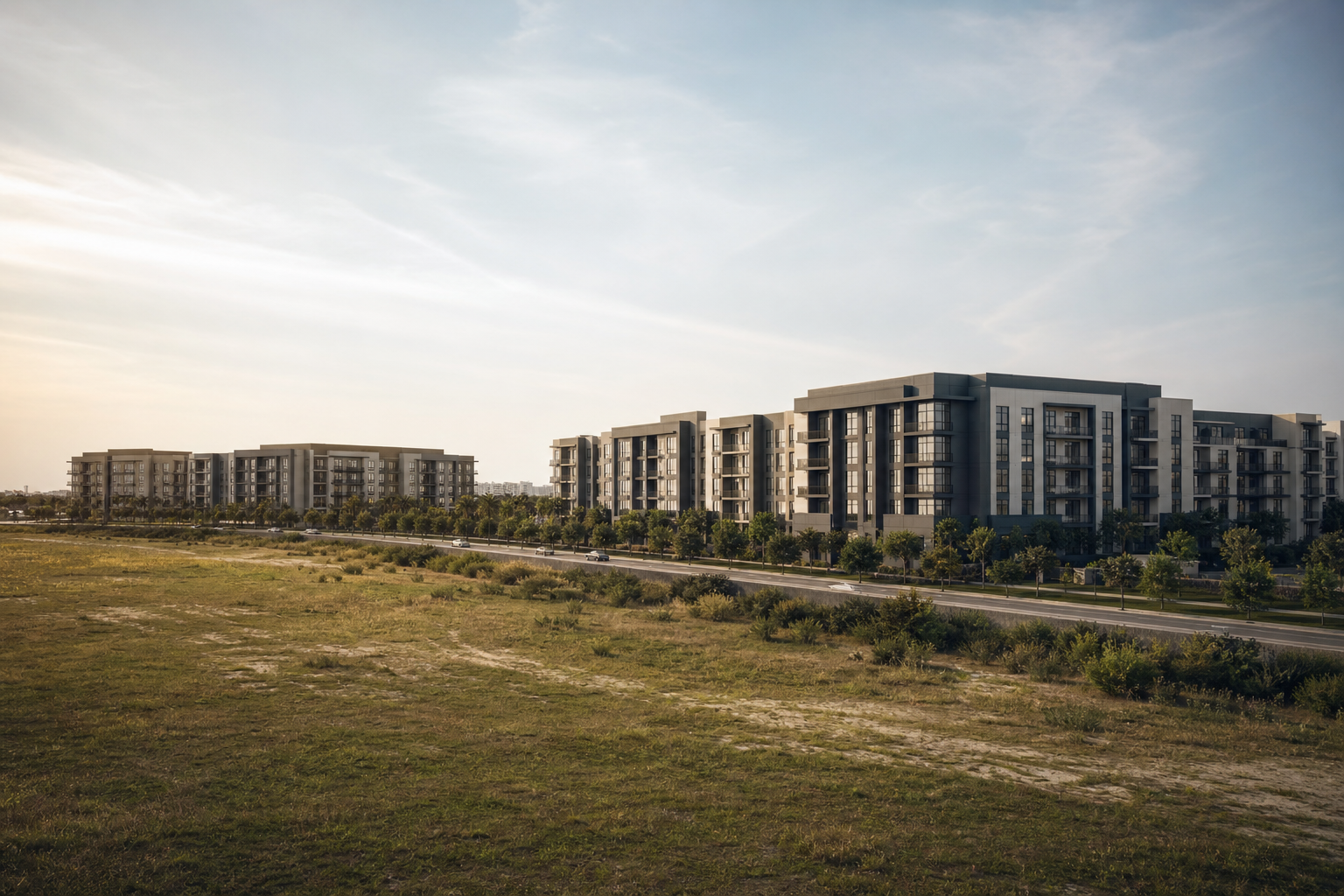
The recent move by Benefit Street Partners (BSP) to acquire a $391 million multifamily whole-loan portfolio is a watershed moment for the secondary market. Comprised of eight newer-vintage properties, this isn't a distressed "fire sale"; it is a high-conviction play on institutional-quality assets.
Why it matters: It proves that the "generational pricing reset" in CRE is creating entry points that major credit managers find attractive. By moving into the whole-loan secondary market—an area BSP noted as being less crowded than direct origination—they are providing essential liquidity that allows previous lenders to recycle capital into new projects.
2. Structured Finance Reopens the Pipeline
Capital needs a vehicle to move, and the ACRES Commercial Realty $1 billion managed CLO (CRE 2026-FL4) is that vehicle. Pricing at a weighted average of SOFR + 168 bps, this $879.5 million issuance of floating-rate notes provides the exact type of flexible capacity the market has been craving.
The Strategic Edge:
Reinvestment Flexibility: The 30-month reinvestment period allows managers to pivot into upcoming loan originations as the market shifts.
Pricing Stability: A spread of 168 bps suggests a stabilizing appetite for CRE risk among bondholders, making it cheaper for developers to secure first-mortgage debt.
3. De-Risking the "Mega-Build": Insurance as an Enabler
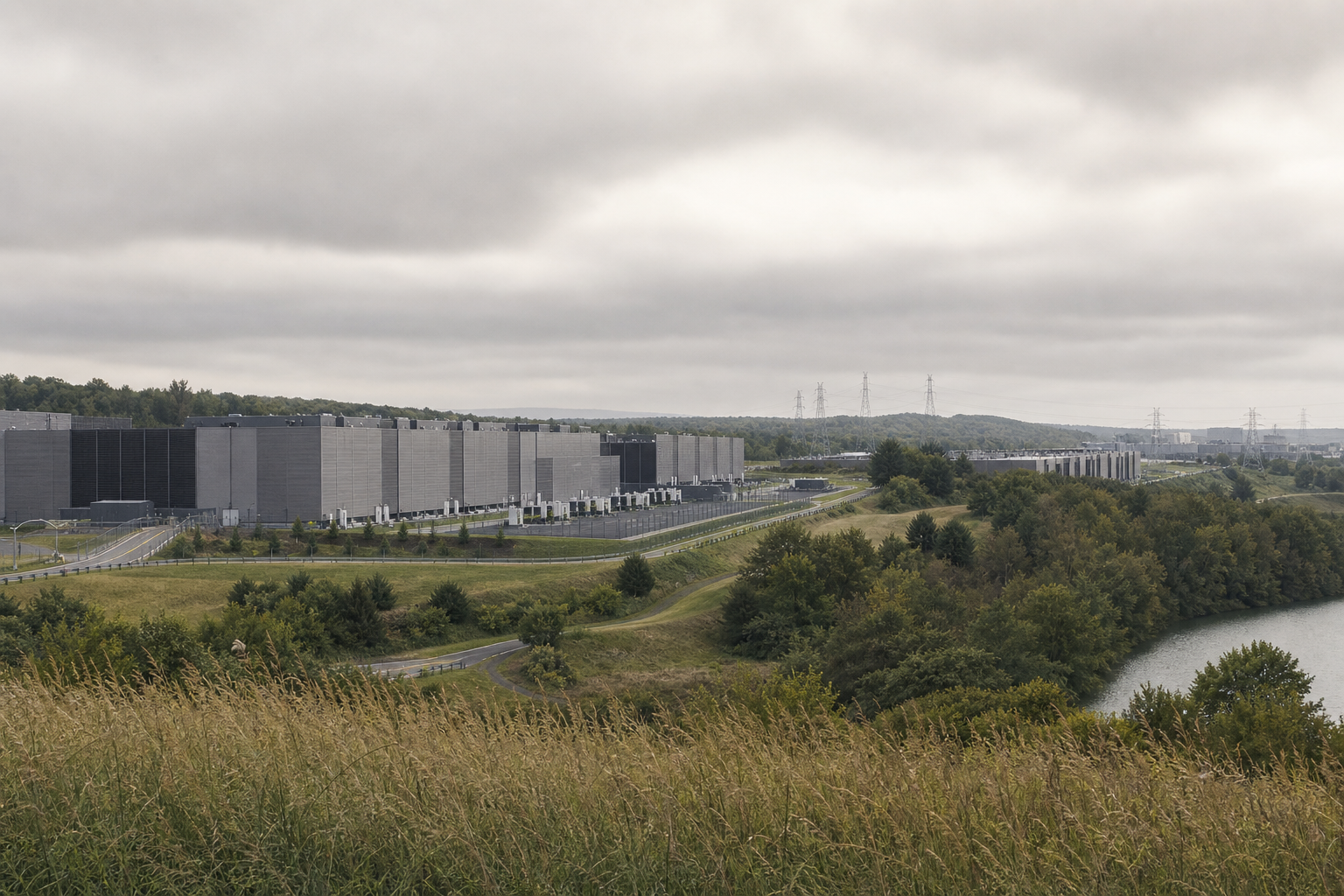
Perhaps the most overlooked bottleneck in CRE development is risk capacity. You can have the debt and the equity, but if you can’t insure the build, the project stalls. This is especially true in the capital-intensive data center sector.
This month, two major carriers shattered previous capacity ceilings:
Aon expanded its Data Center Lifecycle Insurance Program to $2.5 billion, integrating construction, cyber, and operational risks into a single "one-stop" solution.
FM (formerly FM Global) more than doubled its capacity for "FM Intellium" to $5 billion, offering the largest limits available globally for digital infrastructure.
These aren't just bigger numbers; they are practical enablers. As data centers become the "new utilities" of the real estate world, these massive insurance limits remove the final hurdle for lenders who require comprehensive risk mitigation before signing off on multi-billion dollar construction draws.
Takeaway
We are witnessing the "plumbing" of the financial system being upgraded in real-time. Secondary purchases are cleaning up balance sheets, CLOs are providing fresh funding, and insurers are providing the safety net for complex builds. The tools are in place, the capital is flowing, and the infrastructure is ready to support the next cycle of real-asset growth.
CRE360.ai — Daily Signals & Commercial Real Estate Intelligence
Part of the 2025 Year-End Intelligence Series.
▼ EDITORIAL DESK TOP PICKS
Amazon set to open its largest-ever physical retail space — A 230,000 SF Chicago-area store highlights ongoing retail footprint plays and contrasts with broader CRE construction slowdowns.
Southwest Florida CRE market enters “back to reality” phase — After pandemic-era gains, fundamentals are normalizing with tighter underwriting and leasing expectations.
Regional bank adds 32 dealmakers for 2026 growth push — SouthState’s commercial and mortgage expansion signals optimistic capital flow into CRE financing sectors.
Connecticut mall decline tied to slow policymaker action — Experts warn that “hands off” regulation may be worsening greyfield retail asset performance.
San Antonio retail construction hits post-pandemic high — Retail development surged in 2025 with strong occupancy and pre-leased anchors despite macro headwinds.
Investment in Manhattan real estate is booming — NYC saw a notable surge in capital deployment and retail occupancy, signaling renewed confidence.
Fractional ownership and REITs democratize CRE investing — New models are lowering barriers for smaller investors and improving liquidity.
Vacancy rates slip and construction starts level off — Office markets show varied performance across U.S. metros with coworking holding competitive ground.
CBRE forecasts 16% CRE investment volume growth in 2026 — Investment volume is expected to nearly return to pre-pandemic norms, driven by income-focused returns.
Global CRE set to attract $144B of investment in 2026 — Knight Frank’s survey predicts robust capital flows into international property markets.
U.S. CRE markets shift from resilience to optimism — Cushman & Wakefield sees broader leasing and capital opportunities ahead in 2026.
Top CRE markets to watch in 2026 identified — Dallas–Fort Worth and Miami lead growth forecasts with strong demographic and corporate relocation drivers.
CRE stabilization narrative gains traction — Market commentary suggests 2026 will be defined by cautious capital, disciplined underwriting, and differentiated assets.
U.S. CRE sector poised for measured recovery in 2026 — Newmark’s sector-by-sector outlook frames the year as transitionary with pockets of momentum.
U.S. real estate trends include office recovery and AI infrastructure — Cushman & Wakefield highlights six forces shaping CRE, including AI-driven growth and office demand.

Get Private Credit and Insurer Capital Surge to Meet CRE Demand in your inbox
Beyond the "dry powder" narrative: Real-world liquidity and insurance capacity are finally aligning to unlock CRE deployment.