The Signal:
- The land came from the county; the vertical came from private capital.
- The P3 removes the two things that kill ground-up today: land basis and entitlement risk.
- This is a housing-supply channel opening exactly as private starts close.
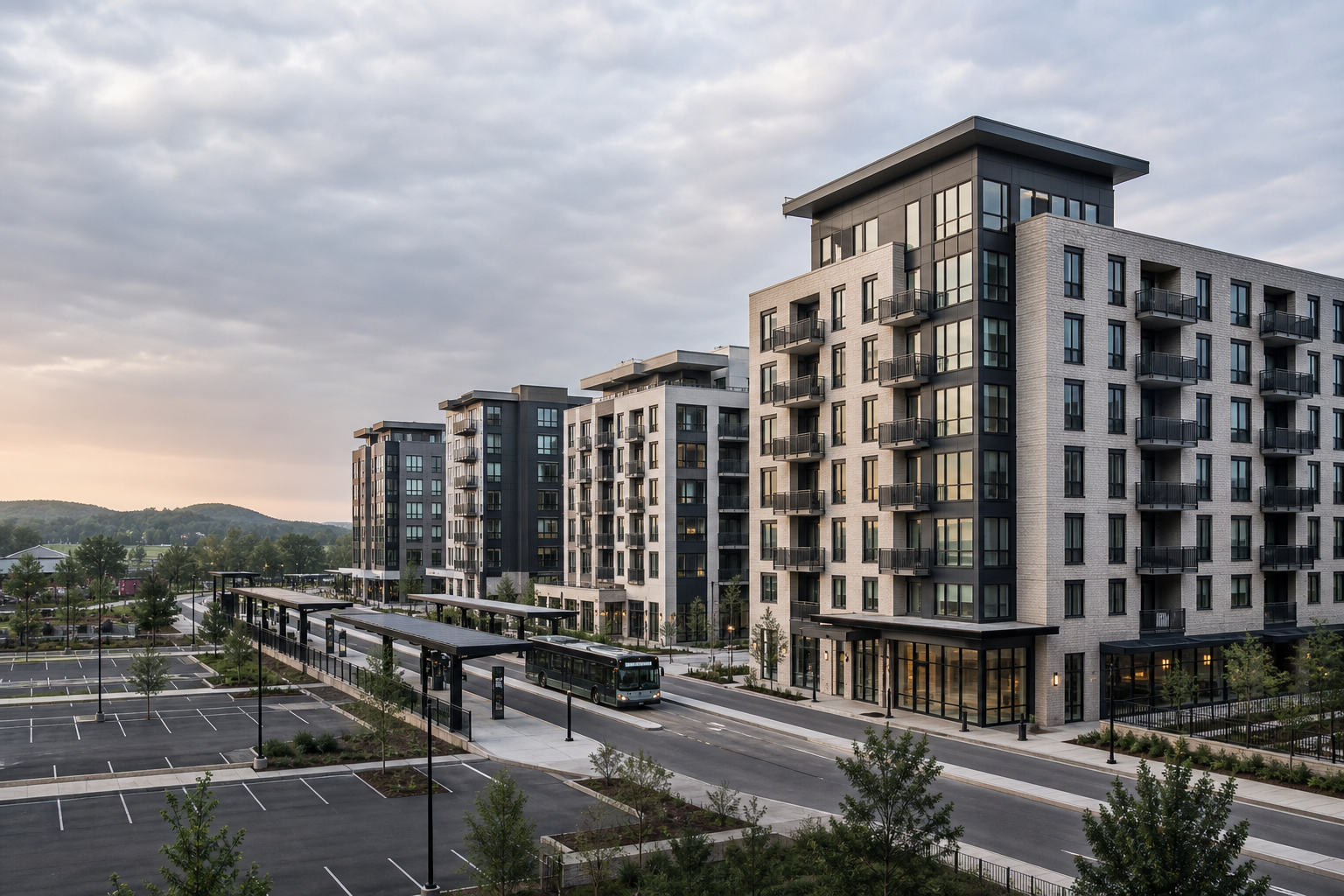
While private multifamily starts sit near multi-year lows, a 578-unit first phase just delivered on public transit land. The reason it pencils is the structure, not the market. Terra partnered with Miami-Dade County, which contributed publicly held land already zoned for density around transit.
That front-loads the pro forma's hardest line items. Land cost and entitlement timing — the two variables that have frozen most ground-up — are resolved before the shovel. What is left is execution risk, which a builder can price.
The structural read is that transit-oriented P3 is becoming the format that still moves in a starts drought, and the counties with developable land near stations are setting where new supply actually lands.
Implications: Developers should treat public land and P3 structures as a live path to a defensible basis when the open market will not underwrite one. Municipalities are learning that station-area land is a housing-supply lever. For investors, the diligence is partnership durability and phasing risk, not land comps.
Related coverage
Key Takeaways
- When private starts stall, the ground-up that still clears is the deal that solved land and entitlement before breaking ground. The county brought the land; private capital brought the cranes. A P3 deletes land basis and entitlement risk at the front of the pro forma. Station-area public land is becoming a housing-supply lever
Connect CRE — Terra Completes First Phase of $1B Miami-Area Mixed-Use Project, July 22, 2026 · Florida YIMBY — Phase One Completed at $1 Billion Upland Park Transit-Oriented Development in West Miami-Dade, July 2026 · Miami-Dade County — Miami-Dade County and Terra break ground on Upland Park (project background)
Never miss a Signal
Get the daily brief that busy CRE professionals rely on.