📢Good morning, today’s Signals are brought to you by CRE 360 Signal™.
his is not a new signal — it’s reinforcement. Over the past several weeks, multiple jurisdictions and grid operators have surfaced the same underlying reality: data-center growth is no longer governed by demand or capital, but by infrastructure tolerance. Kansas City’s move to tighten data-center zoning and ERCOT’s swelling large-load interconnection queue represent the institutionalization of a constraint we’ve already been tracking.
🎧 Busy to read? Catch the Daily Podcast (Subscribe on YouTube, Apple, Spotify)➤ SIGNAL
What’s happening
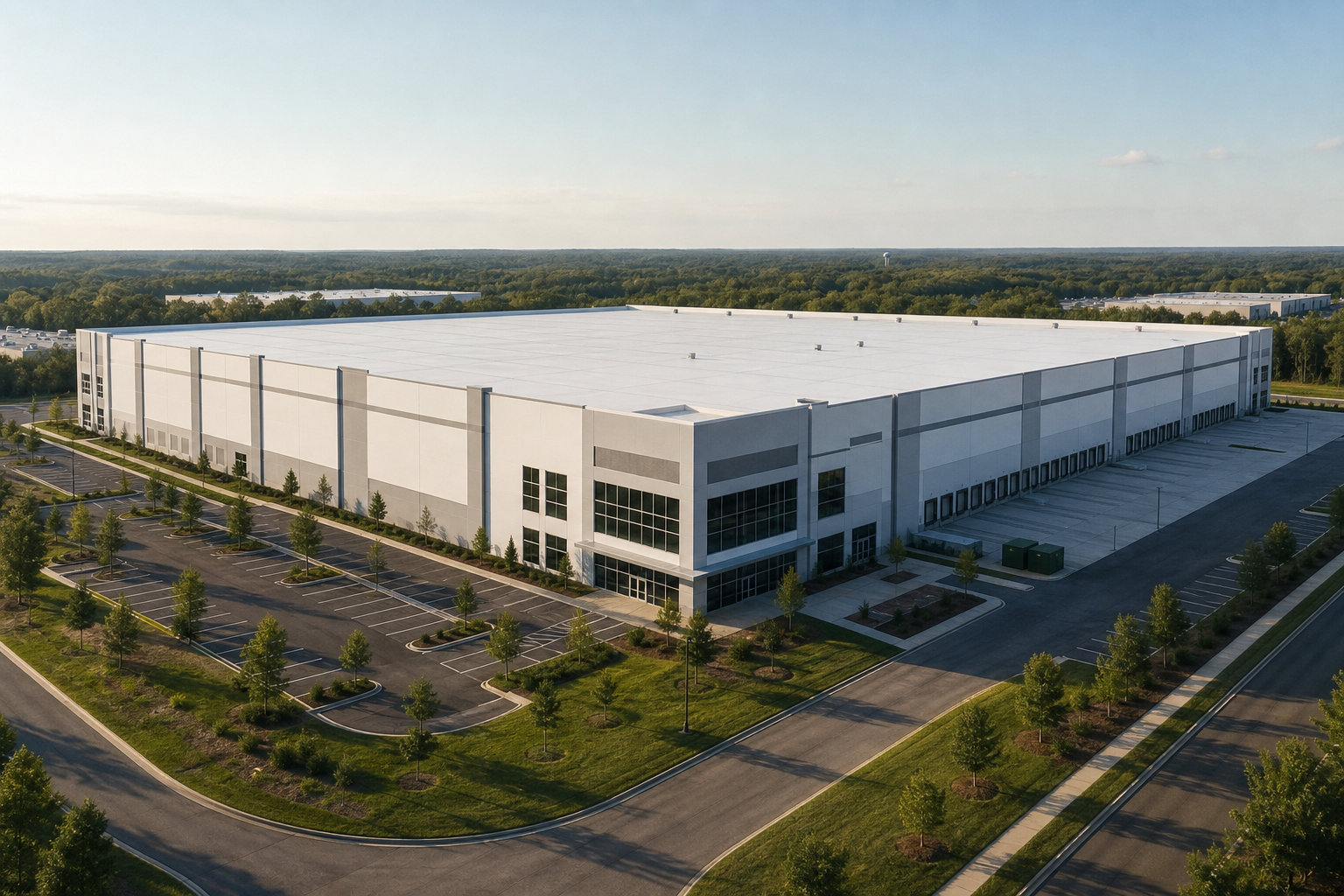
In Kansas City, local officials are moving from informal scrutiny to formal zoning controls for data-center developments. The rationale is familiar — concentrated land use, high power intensity, and limited public upside — but the shift from case-by-case review to codified restriction is the escalation point.
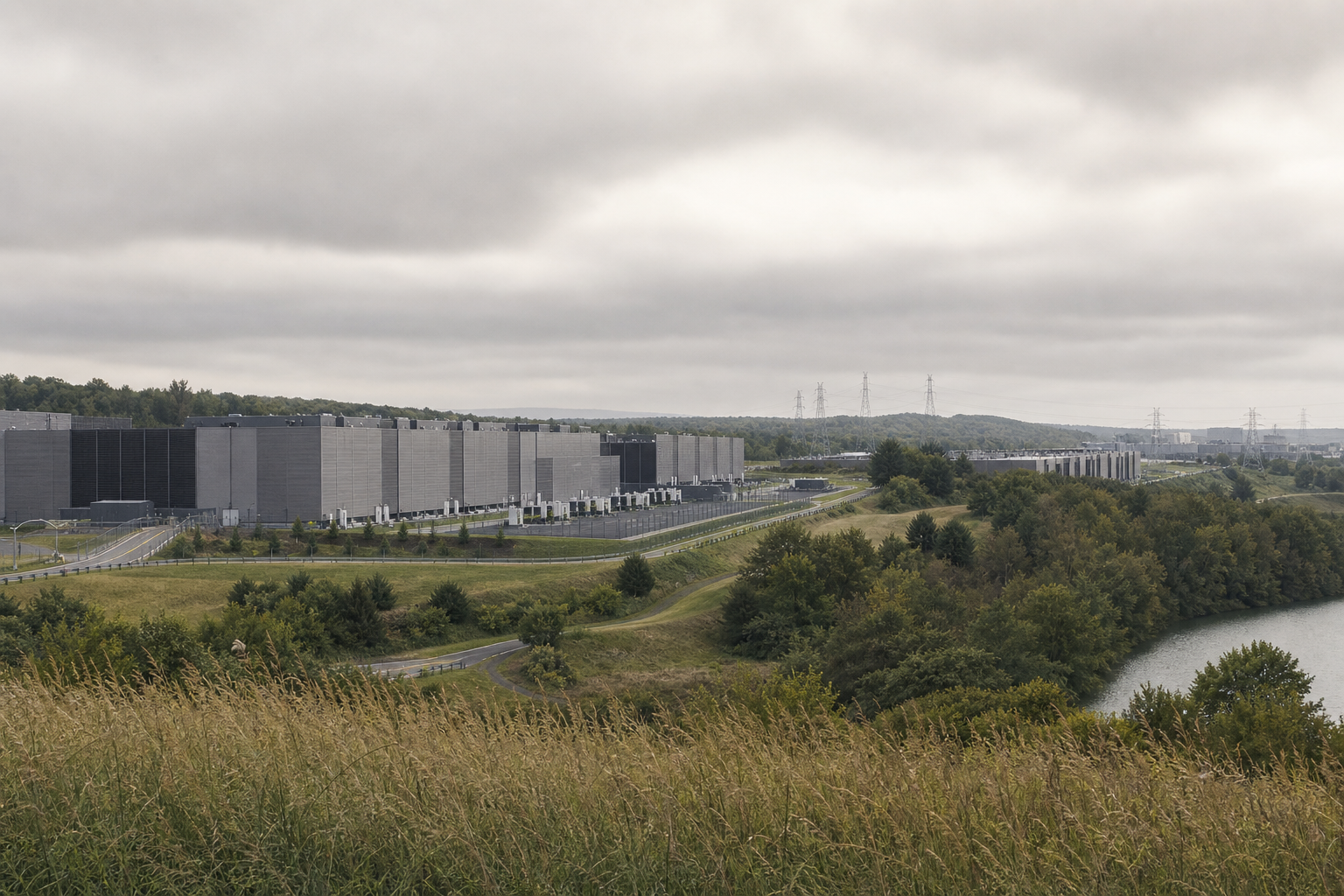
At the same time, ERCOT is contending with a backlog of large-load interconnection requests that continues to grow, dominated by hyperscale and AI-driven compute users. What was once a planning challenge is becoming an operational bottleneck, forcing sequencing decisions that effectively ration access to power.
Neither development is isolated. Both reflect the same progression: tolerance is giving way to governance.
Why this matters now
The inflection isn’t the existence of constraints — it’s their formal enforcement. Zoning rules and interconnection queues convert soft risk into hard timelines, fixed costs, and binary outcomes. Once codified, these constraints do not ease with capital or market enthusiasm.
For developers and institutional investors, this means feasibility risk is migrating upstream. Site control, design, and underwriting assumptions that worked even twelve months ago now face materially different approval dynamics.
Takeaway
Markets are no longer competing on incentives or speed. They are competing on who can say yes — and how often. The winners will be sponsors and jurisdictions that can align land use, grid capacity, and political acceptance early, not those who assume power will arrive eventually. This isn’t a new trend. It’s the hardening of one we’ve been flagging. Data-center growth isn’t slowing — it’s being selectively permitted.
CRE360.ai — Daily Signals & Commercial Real Estate Intelligence
Part of the 2025 Year-End Intelligence Series.
▼ EDITORIAL DESK TOP PICKS
Cambio lands $18M for AI-powered CRE software at $100M valuation — Institutional CRE tech is attracting serious capital, signaling strategic investment in AI tools for CRE asset management.
Long Island sees active commercial real estate sales and leases — Medical, retail, and industrial CRE transactions are moving in Long Island as local markets stay busy.
Office vacancy rates begin to slip while construction holds steady — National office markets show mixed fundamentals with coworking maintaining an edge and development concentrated in select regions.
DCRE to change name to DoubleLine Commercial Real Estate Debt ETF — ETF renaming underscores a focus on CRE debt strategies amid shifting capital market priorities.
CREFC sentiment index near all-time high as financing demand surges — Commercial real estate finance sentiment is improving sharply with borrowing demand climbing in late 2025.
CBRE projects a 16% rise in CRE investment volume for 2026 — Investor appetite is expected to strengthen with volume nearing pre-pandemic norms.
Global investors plan $144B in CRE for 2026 — Knight Frank data shows broad capital allocation into commercial property worldwide.
$100B in CMBS loans maturing this year — defaults likely — Major maturities in CMBS debt create refinancing stress and opportunity for restructurings.
Avison Young releases 2026 U.S. CRE outlook showing rising confidence — Nearly 70% of surveyed professionals expect stronger fundamentals and investment activity in 2026.
CRE will be a “reset year” in 2026, with selective growth — Analysts emphasize selective capital deployment and sector rotation as key themes this year.
Regional lender activity shows return-to-lender trends in major office markets — Auctions and distressed deals in Manhattan accommodations reveal stress in office debt.
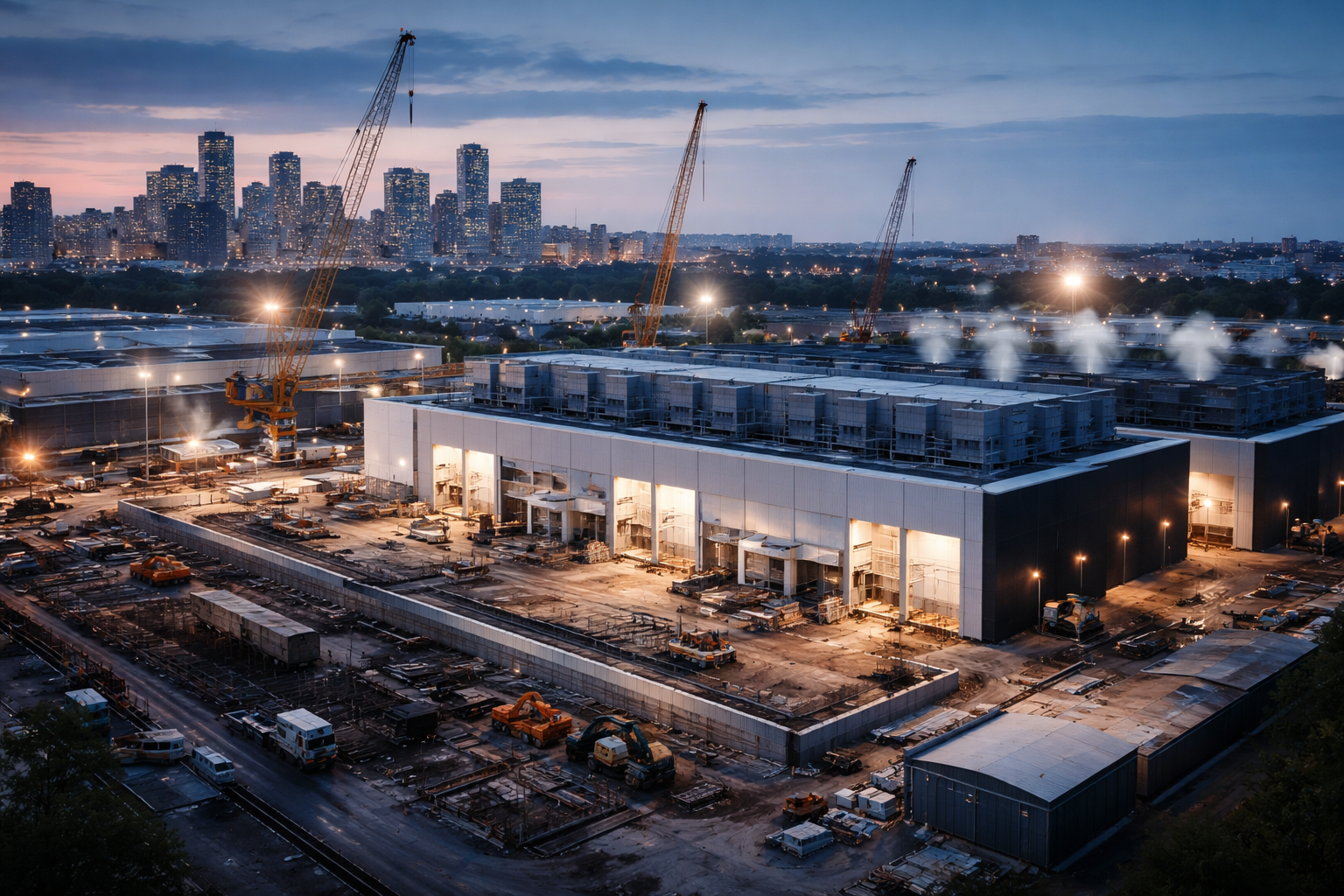
Data-center construction continues to outpace traditional CRE builds — Forecasts show data centers expanding while offices, hotels, and apartments see slower growth.
Top CRE markets to watch in 2026 point to regional winners — Dallas-Fort Worth, Miami, and others are emerging as priority targets for capital and development.
Chicago industrial and restaurant properties hit the market — Twin Cities listings signal ongoing interest in industrial and mixed-use holdings.
Market sentiment turning optimistic despite macro headwinds — CRE cycles show growing confidence, but seasonality & macro risks persist.
Retail CRE shows mixed momentum with new flagship openings — Reports show expansions, sales, and mixed retail fundamentals across markets.

Get The Constraint We’ve Been Flagging Is Now Being Enforced in your inbox
Zoning and grid operators are formalizing limits on data-center growth