The Signal:
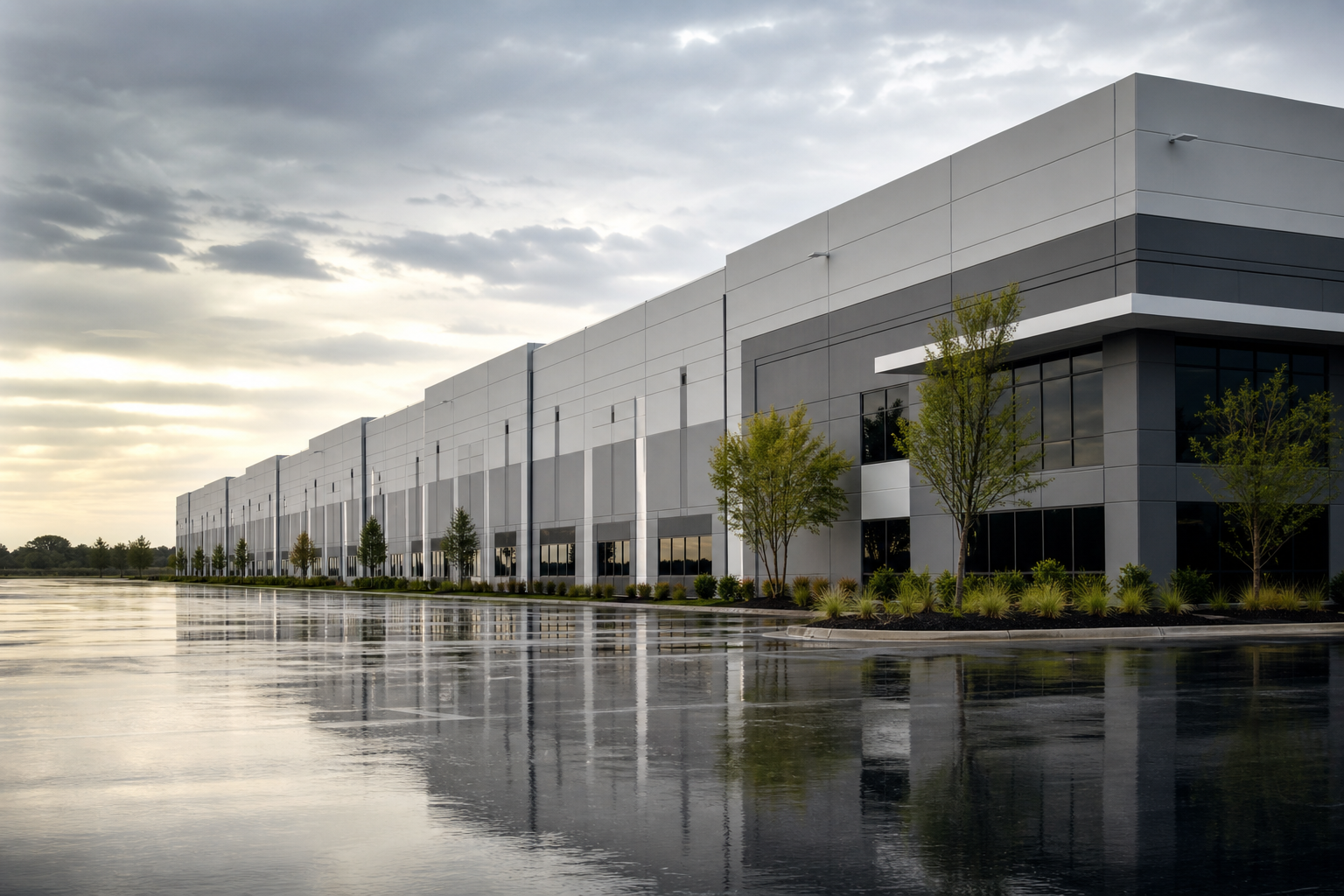
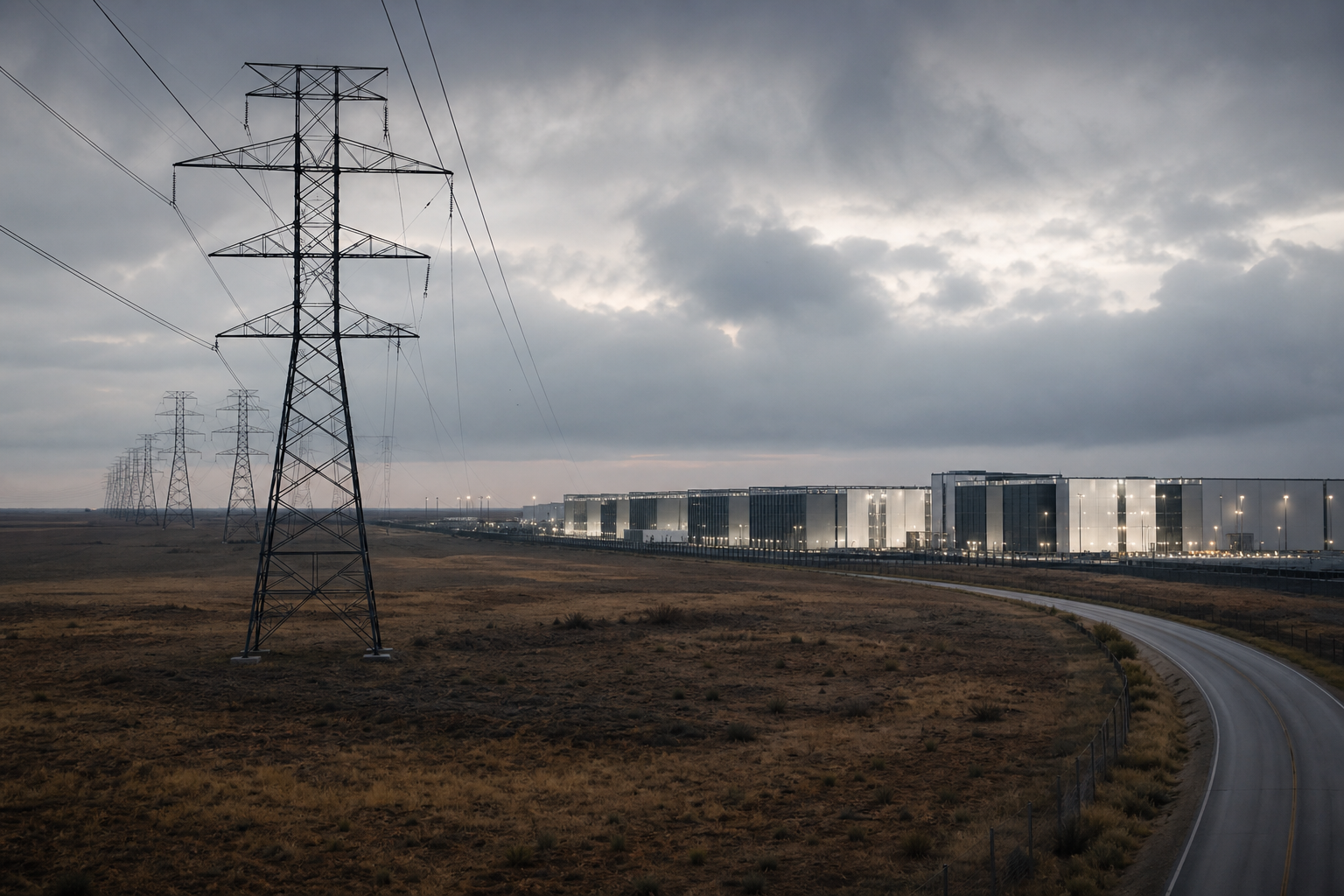
OpenAI is building its first self-developed data-center campus in Effingham County, Georgia, a $20 billion, roughly 1,400-acre project of four buildings inside the Savannah Gateway Industrial Hub near Rincon, internally dubbed Project Camellia. The number that matters is not the price, it is the power: Georgia Power has committed 3.2 gigawatts, enough for more than two million homes, delivered in phases from 2028 to 2032.
To win it, the county's development authority approved a 50% property-tax abatement for 15 years, layered on a special assessment that values the OpenAI affiliate at 25% of fair market value instead of the standard 40%, cutting the effective annual property tax by roughly 37.5%. Records show the abatement was finalized the day before the public announcement, and residents have begun organizing against the grid load and water draw.
Effingham is not an outlier, it is the template. Calpine and CyrusOne expanded a powered-land agreement at the Thad Hill Energy Center in Texas to 400 MW using behind-the-meter gas. LandBridge optioned up to about 3,400 acres in Reeves County for a 2 GW campus. Silver Lake stood up a dedicated $400 million powered-land platform. Different sponsors, one thesis: the asset is the electricity, and the land is just where it lands.
Implications / Our Read:
Site selection has inverted. For a century, developers found the land and then arranged the utilities. In the AI era that sequence runs backwards: you find firm, deliverable power first and assemble the dirt around it. Interconnection queues stretching years turned powered land, acreage with committed generation and a delivery date, into the scarcest commodity in the sector. OpenAI locked Georgia Power's 3.2 GW schedule before pouring a footing because the schedule, not the site, is the asset.
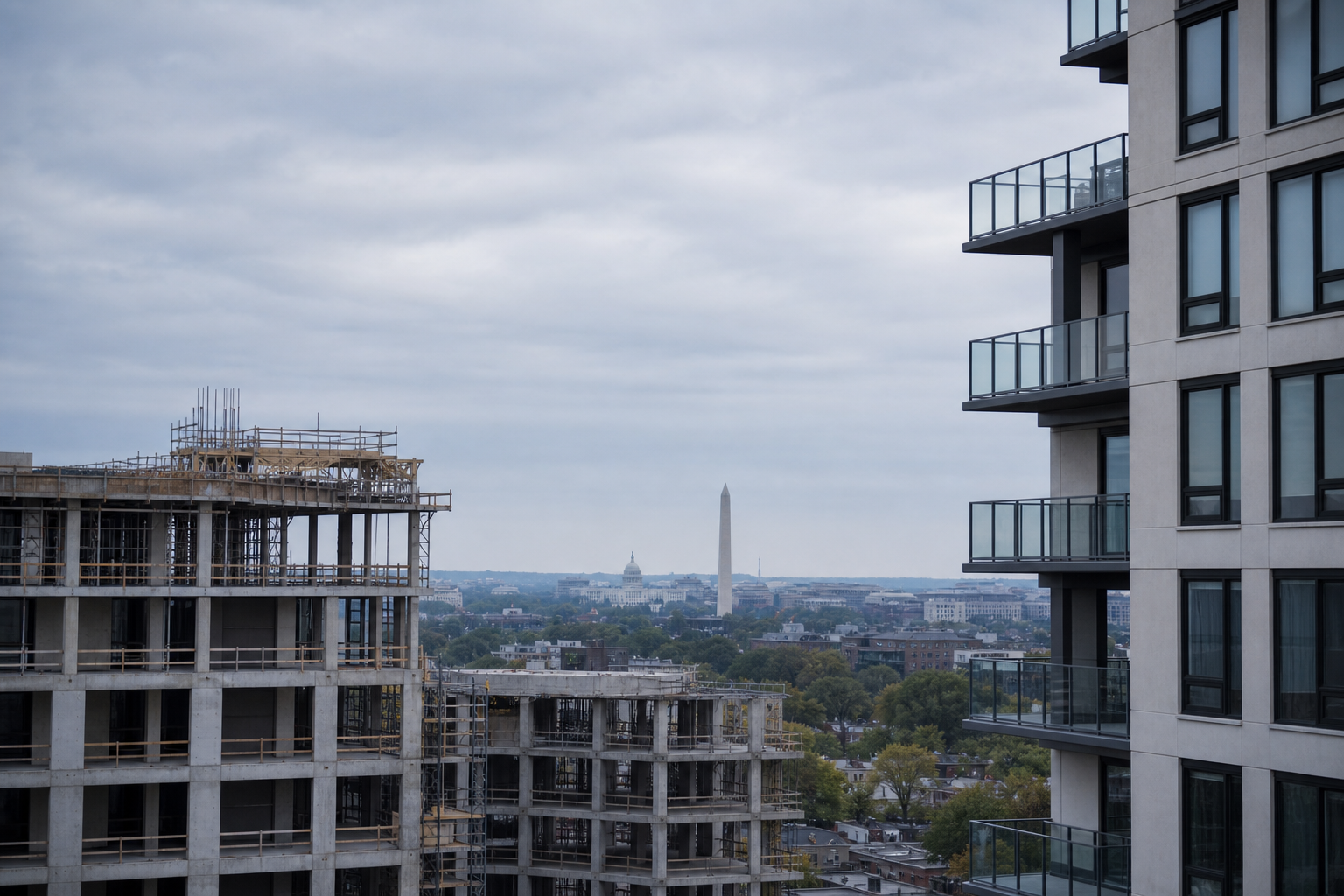
That repricing does not stay in the data-center lane. Every metro with spare generation is now a data-center land market whether it planned to be or not, and that bid competes directly with housing and industrial for the same entitled acreage, the servers-over-shelter tension homebuilders are already flagging in Northern Virginia. When a hyperscaler pays data-center economics for powered dirt, the residential or logistics pro forma on that parcel cannot clear.
The financing question moves with it. The classic data-center underwrite was tenant credit, who signs the lease. The powered-land underwrite is power-delivery certainty, interconnection priority, and the durability of the tax abatement holding the returns together, a utility-and-entitlement risk profile, not a leasing one, that rewards sponsors who can wield behind-the-meter generation.
Then the quiet part: who pays. Effingham traded away 37.5% of the annual property-tax yield on its single largest-ever investment for jobs and prestige. That math, a generational load on the grid and water table financed by forgoing the tax base, will get re-litigated county by county as residents price what they gave up. The subsidy is the deal as much as the power is.
Stakeholder Lens: Landowners near firm generation should stop pricing to agricultural or residential comps. Developers should recognize that control of an interconnection slot is worth more than the land under it. Municipalities are learning the incentive is the transaction, and the political bill arrives after the ribbon-cutting. Lenders should move diligence from tenant credit to power-delivery and abatement durability.
Key Takeaways
In the AI buildout, land stopped being the asset. The power behind it, and the tax base a county will trade to deliver it, is the deal now.
Whether Georgia Power can deliver 3.2 GW on schedule without straining ratepayers or the grid; whether Effingham's abatement survives the opposition now forming; and whether the powered-land bid permanently prices housing and industrial out of the parcels they would otherwise compete for.
The Current GA - $20 billion OpenAI data center to open in Effingham County, July 22 2026; WTOC - Effingham leaders finalized tax break for $20B OpenAI data center, July 30 2026; The Atlanta Journal-Constitution - How OpenAI's $20B data center took root in Effingham, August 2026; CyrusOne/Calpine - Phase 2 powered-land agreement at Thad Hill Energy Center, Texas (400 MW); Data Center Knowledge - New Data Center Developments, August 2026
Get The Grid Became the Deal in your inbox
A $20 billion AI campus was sited by the megawatt, and paid for with a county's tax base.