The Signal:
The 2026 office-to-apartment conversion pipeline reached 90,300 units nationwide, up 28% in a single year and roughly four times the 2022 level, according to RentCafe. Office buildings now make up 47% of all adaptive-reuse housing in the country, more than any other building type. New York leads with 16,358 units, followed by Washington, D.C. at 8,479 and Chicago at 4,360.
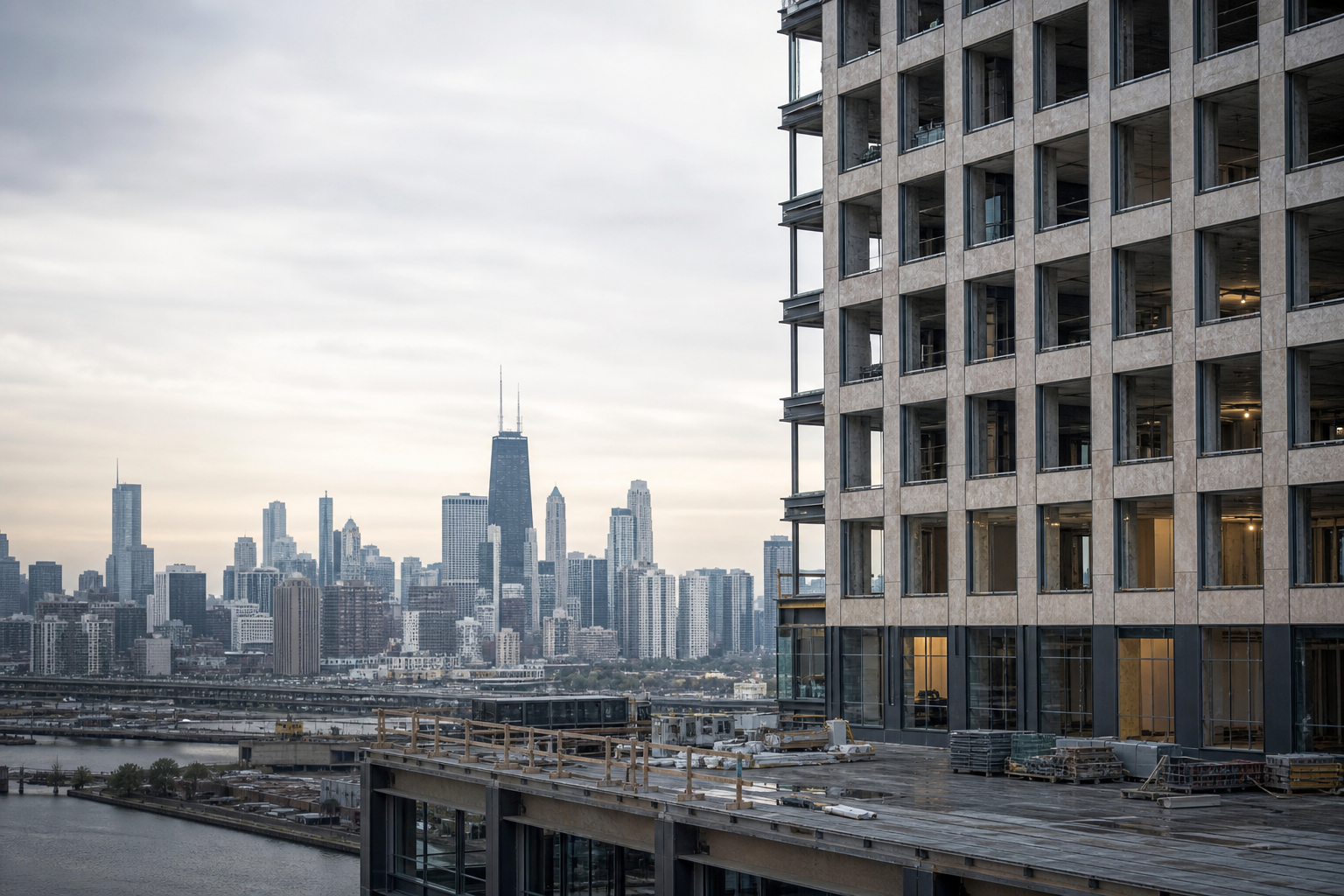
The theme printed a fresh, financed data point this week. On August 4, construction began on the 162 million dollar conversion of 500 N. Michigan Avenue in Chicago, a 25-story office tower being remade into 320 apartments across floors 3 through 23, topped by a new 25th-floor amenity deck. Developer Commonwealth Development Partners targets completion in late 2027.
That project is not an outlier. Downtown Chicago now has 26 office-to-residential conversions underway, representing 1.8 billion dollars of investment and more than 4,000 units. Denver and Philadelphia more than doubled their conversion pipelines in a year. What was a pilot program in 2022 is a national development category in 2026.
Implications / Our Read:
The framing that dominated 2023 and 2024, that obsolete office is a stranded liability with no exit, is now only half true. There is an exit. It just is not a tenant.
The mechanism is basis, and it is also the filter. A conversion pencils when three things line up: an office building acquired at a deeply written-down number, a market with genuine housing scarcity, and an entitlement path that lets residential use through without years of friction. Where those align, a sponsor underwrites apartment rents against a land-and-shell basis the office use could never have justified. That is a repositioning trade, not a rescue.
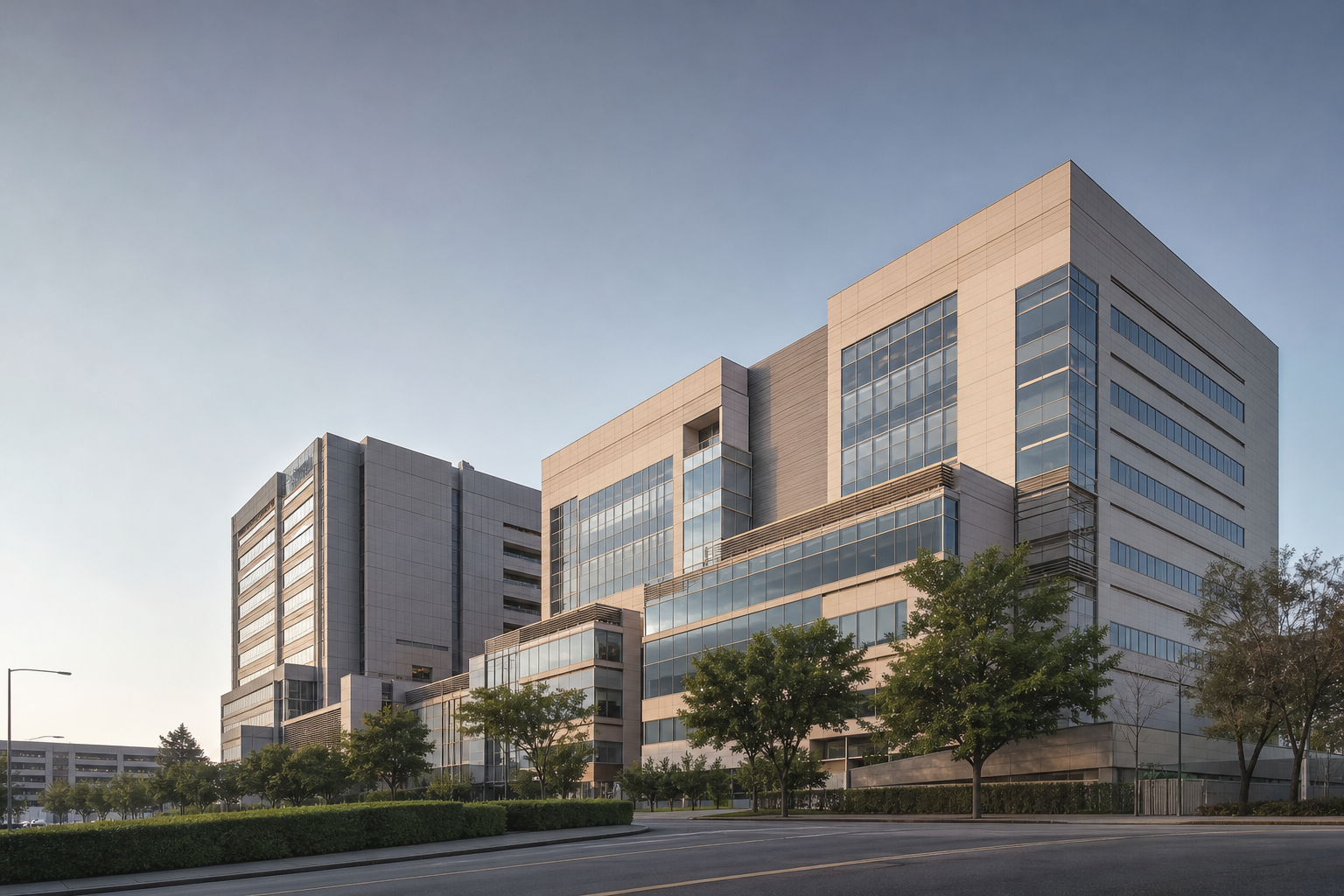
The filter is physical and unforgiving. Floor plate depth, core-to-window distance, the glass line, plumbing risers and zoning decide whether a tower converts or simply sits. A boxy deep-plate commodity building may be a permanent write-down; a slender older tower with operable windows and a shallow plate becomes housing. The 90,300-unit pipeline is really a story about which buildings have the right bones, and which do not.
That distinction is the underwriting discipline. The same office-vacancy headline reads as catastrophe for one building and feedstock for another. The owners who win this cycle can price a distressed tower conversion optionality, floor plate, code, incentives and take-out, before the market does. The owners who lose are holding deep-plate commodity office and hoping for a return-to-office wave to reprice it back.
Stakeholder Lens: Office owners should get a conversion feasibility study before assuming no future, but be honest that most commodity stock will not qualify. Cities should keep widening as-of-right and financing paths, because each conversion is vacancy relief and housing supply in one motion. Lenders should treat converted product as an emerging financeable class with its own underwriting. Developers should hunt towers with the right bones in scarce-housing markets, where the basis math and the physics both clear.
Related coverage
Key Takeaways
The office glut did not get bailed out. The convertible half is being rezoned into the housing pipeline at record scale, and the other half is finding out it has no exit at all.
Office conversions hit a record 90,300 units in 2026, up 28% and 47% of all adaptive reuse
The exit for obsolete office is a rezoning, not a tenant
Conversion pencils only on written-down basis plus housing scarcity plus workable zoning
Physical bones, floor plate, glass line and risers, decide which towers convert
The deep-plate commodity half has no exit and is what the pipeline leaves behind
Whether the 90,300-unit class absorbs cleanly into 2027 and 2028 or floods individual submarkets; whether secondary cities like Denver and Philadelphia can convert without deepening subsidy; and what happens to the deep-plate commodity office that fails the physical test entirely, the buildings the pipeline is quietly leaving behind.
RentCafe 2026 Office-to-Apartment Conversion Report via CRE Daily and Smart Cities Dive, August 2026; Chicago Construction News - 162M Office-to-Residential Conversion Begins at 500 N Michigan, August 4 2026; The Real Deal - US Office-to-Apartment Conversions Hit New High, 2026; Bisnow - NYC and Chicago Office Conversion Coverage, August 2026
Get The Office Glut Is Becoming the Housing Pipeline in your inbox
Conversions hit a record 90,300 units as Chicago breaks ground on another.