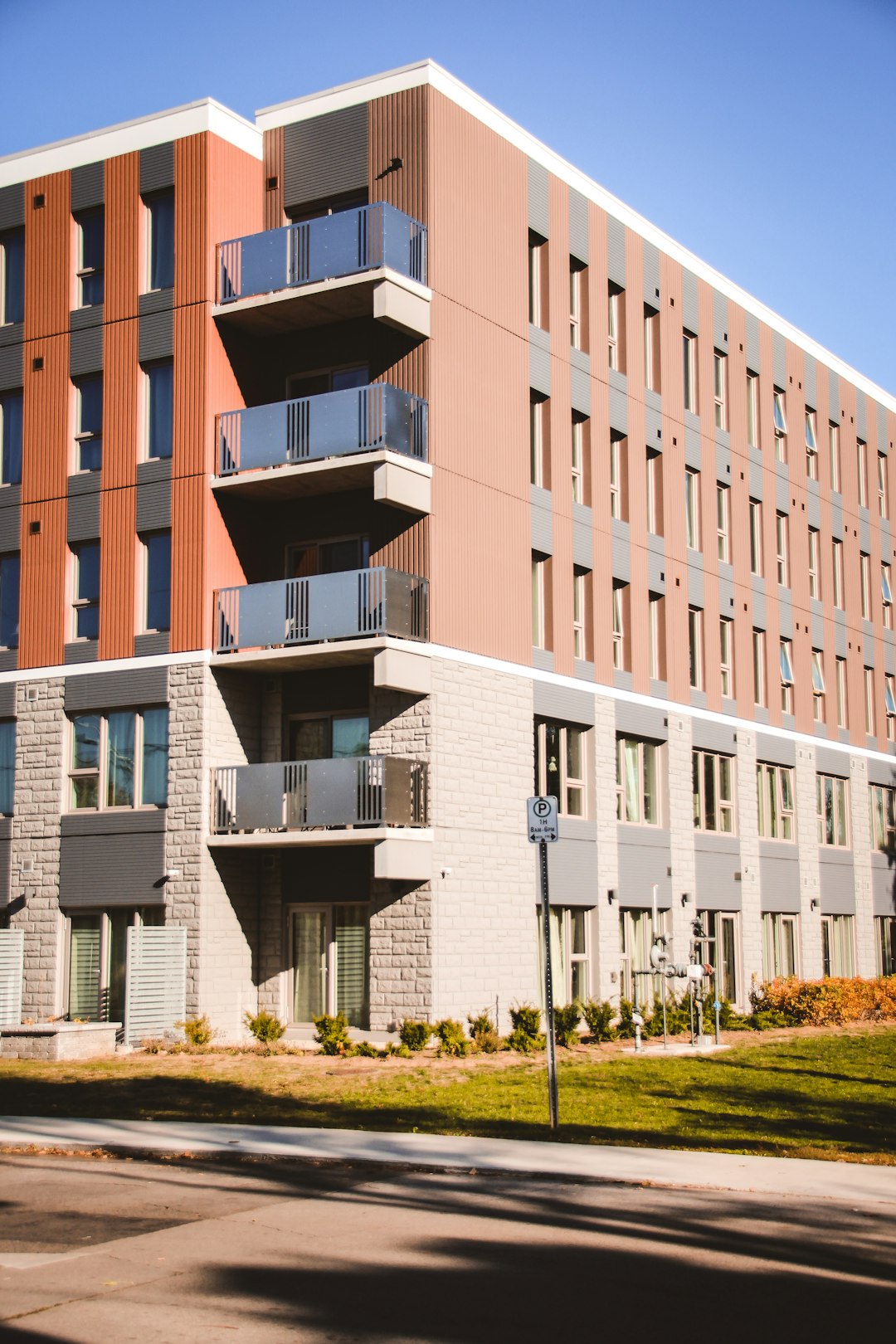
Occupancy just posted its 20th straight quarterly gain into the emptiest construction pipeline in years — the rare CRE beat where the underwriting case strengthens every quarter.
Good morning. Today's Signal is brought to you by CRE360 Signal™.🎧 Busy to read? Catch the Daily Podcast.
THE SIGNAL
Senior housing occupancy reached 89.9% in the second quarter of 2026, according to NIC — up 0.4 points from Q1 and the 20th consecutive quarter of gains. Fifteen of the 31 primary markets NIC tracks are already at or above 90%, led by Boston (93.3%), San Francisco (92.7%), and Baltimore (91.8%). NIC projects the national figure will clear 90% by year-end.
The number that matters most, though, is on the supply side. Fewer than 16,000 units were under construction across the primary markets at quarter-end — a historically thin pipeline against an inventory measured in the millions. Occupancy is rising not because operators are buying it with concessions, but because move-in demand is climbing into a market that has effectively stopped building.
That combination — demand you can see coming, supply that isn't — is what separates this asset class from every other corner of CRE fighting the rate cycle.
OUR READ
Senior housing has quietly decoupled from the macro trade. Office lives and dies on return-to-work; multifamily and industrial are digesting a supply wave; net lease reprices with every Fed projection. Senior housing runs on a different clock. Its demand curve was set by birth tables from the 1950s and 1960s, and the leading edge of that cohort is now aging into the product. You can schedule this demand.
The supply drought is the other half of the thesis, and it's a gift disguised as a constraint. Construction financing for senior housing has been scarce and expensive for years — labor, staffing, and operating complexity scared capital off. The result is a pipeline near a historic low arriving exactly as demand accelerates. Scarcity that was painful to developers in 2023 is pricing power for owners in 2026.
The honest caveat is that this is an operating business, not a passive lease. The risk in senior housing isn't lease-up — it's staffing cost, care delivery, and management quality. Occupancy near 90% only converts to durable NOI when the operator can hold labor costs and deliver care. That's where deals are won and lost, and it's why the beat rewards operational underwriting over cap-rate arbitrage.
For the CRE professional, the takeaway is directional: this is one of the few places where the fundamentals are getting better, not worse, and where the binding constraint is execution rather than demand. The question isn't whether the tenants are coming. It's whether you have an operator who can serve them profitably.
STAKEHOLDER LENS
Developers: If you can finance and deliver units, you're building into a structural shortage — but the pro forma lives or dies on staffing and operating assumptions, not lease-up.
Owners/Operators: Stabilized communities in supply-locked metros have durable pricing power into a multi-year ramp; protect it by protecting margin.
Lenders: Underwrite the operator, not just the occupancy. The risk migrated from vacancy to labor and care delivery.
Investors: A demographically-fed, supply-starved asset class that trades on operations is a different bet than the rest of CRE — price the operating risk, not the demand.
STILL UNRESOLVED
Whether occupancy gains reach the bottom line. Rising occupancy is necessary but not sufficient; wage inflation and staffing shortages can eat the demand tailwind before it becomes NOI. The Q2 print tells us the demand is real — it does not yet tell us the margins are safe.
KEY TAKEAWAY
Senior housing is the one asset class where the demand is already born and the supply can't keep up — the underwriting risk isn't filling the building, it's running it.
Related coverage
Get The Silver Floor in your inbox
Senior housing is grinding toward 90% occupancy while the cranes stay parked.