➤ The Signal
Record leasing with soft absorption means occupiers are trading up, not expanding.
The cycle’s growth phase is over; the sorting phase has begun.
Quality and location now decide which boxes win tenants.
A record leasing year usually signals a booming sector. This one doesn’t, and the gap between the two numbers is the whole story. Companies are signing space at a furious pace while net absorption — the figure that captures actual footprint growth — lags its own average.
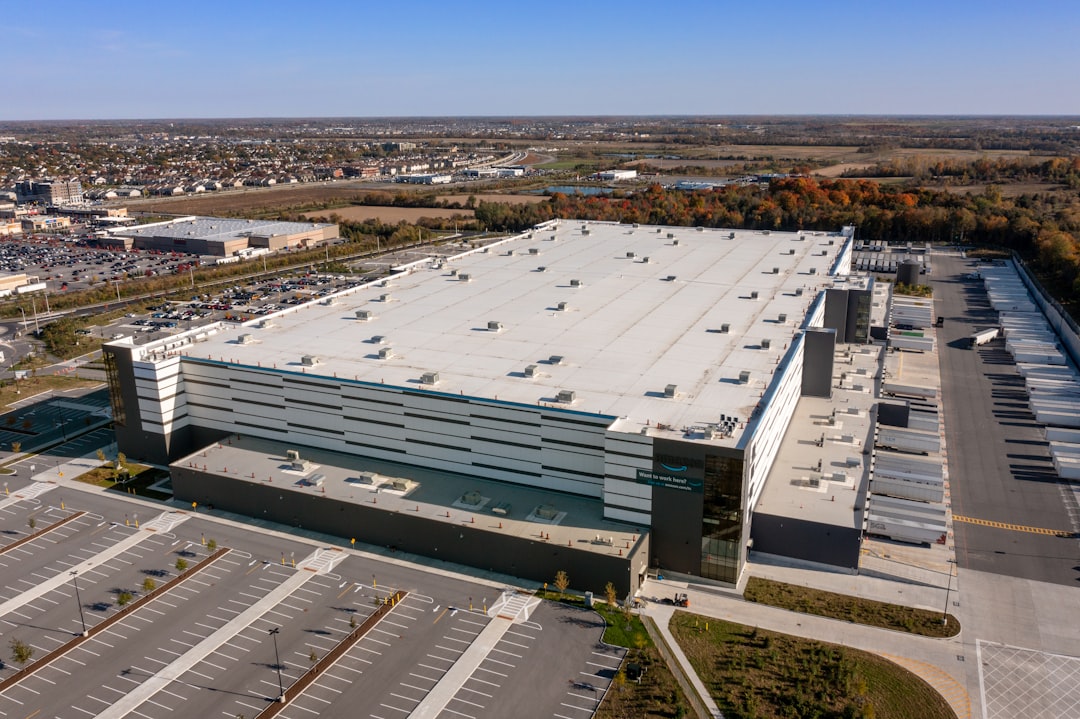
The reconciliation is flight-to-quality. Occupiers are leaving older, less efficient boxes for newer, automated, better-located ones. A lease gets signed, but no net square footage is added to the economy. That is sorting, not growth.
Phoenix shows the supply side of the same dynamic: a supply pause — deliveries down 82% — lets demand tighten an oversupplied market without any new construction. Discipline, not expansion, is fixing the vacancy.
➤ Implications
Modern, well-placed product firms first; commodity bulk in weak submarkets keeps competing on concessions. Underwriters should watch net absorption and build-to-suit share — not headline leasing — to read true demand.
Related coverage
Key Takeaways
- When leasing breaks records but absorption doesn’t, the tenants are moving up — not multiplying.
JLL / CBRE / Cushman & Wakefield — Q1–Q2 2026
Never miss a Signal
Get the daily brief that busy CRE professionals rely on.