THE SIGNAL
Altus Group reports that the spread between commercial real estate's top and bottom performers is now the widest it has ever recorded, and it lands as roughly $875B in CRE loans mature into the market. The headline reflex isn't uniform distress — it's differentiation.
The sector rankings make the point. Retail led every asset class at +2.2% quarterly appreciation, with mall, strip, and street formats all positive and cash leasing spreads in double digits. Office, by contrast, turned positive only in a short list of gateway metros — San Francisco, New York, Dallas, Houston, and Los Angeles — while the long tail kept grinding.
The live evidence arrived the same week. Sunstone Hotel Investors agreed to sell the 821-room Hyatt Regency San Francisco to Blackstone Real Estate funds for $279M, about $340K per key — well below replacement cost for a gateway box. A REIT pruning concentration on one side; the world's largest opportunistic buyer underwriting a recovery on the other.
IMPLICATIONS / OUR READ
The instinct to read "$875B maturing" as a coming flood of distress misses what the data actually shows. Capital is doing its job — rewarding assets where tenants want to be and repricing everything else. The same coupon, on two assets in the same sector, now produces opposite outcomes at the refinancing table.
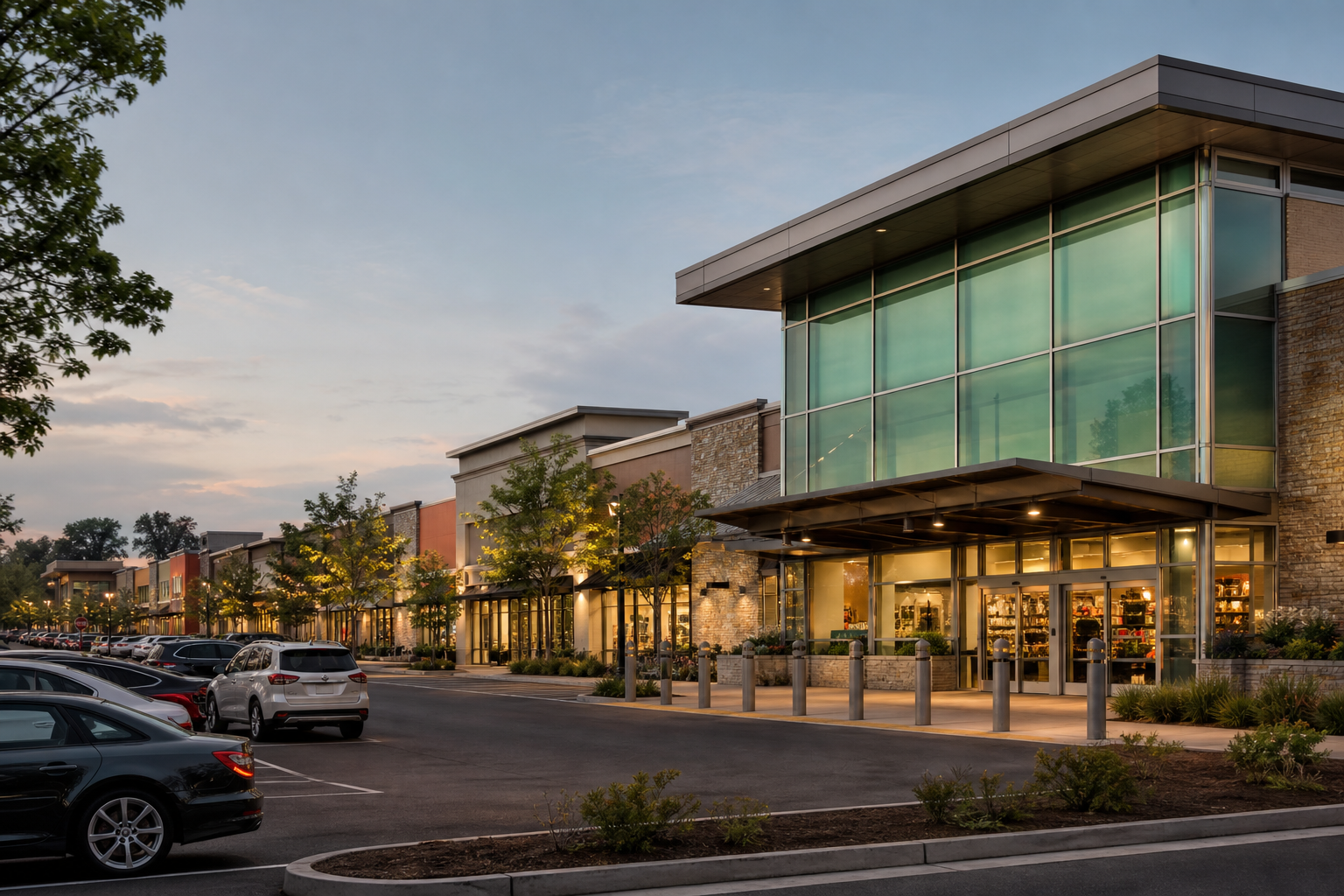
Retail's lead is the cycle's most underappreciated reversal. Years of almost no new construction, backfilled vacancy, and disciplined operators turned well-located centers into pricing-power assets. Double-digit leasing spreads mean landlords are re-leasing space above expiring rents — the opposite of the "retail apocalypse" framing that dominated underwriting just a few years ago.
Blackstone's San Francisco bid rhymes with that logic. Buying a large CBD hotel at a basis below replacement cost isn't a bet on today's occupancy; it's a bet that the entry point is the opportunity. When the marginal buyer is opportunistic capital writing nine-figure checks, "distressed market" quietly becomes "entry point," and that basis sets a floor others mark against.
For owners, the lesson is sharp: the question is no longer "what asset class do I own?" but "which side of the gap does this specific asset sit on?" Location, basis, and in-place cash flow now determine refinanceability far more than the property-type label.
STAKEHOLDER LENS
- Lenders: The maturity wall is a sorting event. Extend on the refinanceable; resolve the stranded. One-size workout policies will misprice both.
- Owners: Know your side of the gap before the lender does. A trophy asset and a tired one in the same sector are no longer comparable credits.
- Investors: Retail's outperformance and gateway hospitality discounts are where the contrarian basis lives this cycle.
STILL UNRESOLVED
Altus's sector figures are its own measurement; whether retail's lead persists as more supply-starved space re-leases, and whether gateway hospitality recovery is broad or San Francisco-specific, won't be clear until more Q3 prints land.
KEY TAKEAWAY
The 2026 maturity wall isn't drowning CRE — it's filtering it, and the winners are no longer the property types you'd expect.
VISUAL SPEC
(See companion file: 2026-06-23_CRE360_VISUAL_SPEC_Winners-Losers-Gap.md)
- Lead chart: sector quarterly appreciation, retail in gold and leading; "$875B maturing" annotation.
- Hero: a concrete wall lit half-amber, half-shadow — the filter metaphor.
Key Takeaways
The 2026 maturity wall isn't drowning CRE — it's filtering it, and the winners are no longer the property types you'd expect.
Altus Group via CRE Daily (June 22, 2026) for the gap/maturity/retail figures; Sunstone Hotel Investors press release (June 23, 2026) for the Hyatt Regency SF sale. No figure stated beyond what those sources reported.
Get The Maturity Wall Is a Filter, Not a Flood in your inbox
As $875B comes due, CRE's winners and losers have split to a record gap — and retail is leading.