📢 CRE 360 Signal™.
Today’s deals are being underwritten to soft Sun Belt rents. The pipeline feeding that softness just collapsed to a six-year low. That gap is the trade.
🎧 Catch the Weekly Podcast (Subscribe on YouTube, Apple, Spotify)➤ SIGNALS
May multifamily starts (buildings of 5+ units) plunged 41.6% to a 284,000 seasonally adjusted annual rate — the lowest since November 2024 and, measured month-over-month, the steepest single-month drop since April 2009. Total housing starts fell 15.4% to 1.177 million, the weakest reading since May 2020.
The pullback was regional and broad. Starts fell 17.0% in the South and 17.2% in the West — the two regions that absorbed the 2022–2024 Sun Belt construction wave — alongside a 26.8% drop in the Northeast. Only the Midwest rose, up 3.7%.
The cause is unglamorous: high financing costs, construction inputs up roughly 9.6% year-over-year, and developers refusing to break ground into markets still digesting concessions. The result is a pipeline switching off in exactly the metros that have been most oversupplied.
Implications
Here is the part the headline misses. A starts collapse is bad news today and a setup tomorrow. Apartments take 18–30 months to deliver. Units not started in mid-2026 are units not delivered in 2027–28 — precisely when today’s oversupply will have leased up.
That creates a supply air-pocket. The Sun Belt markets posting the deepest rent resets and the steepest value declines right now — workforce and Class C assets down 20–30% in the worst cases — are the same markets whose future competition just evaporated. The pain is real; the forward setup is the opposite of the pain.
This is the divergence Altus is measuring from the pricing side: a record median price of $129/sf set by smaller, well-located assets that can actually trade, while the broad market stays frozen. Record prices on shrinking buildings and a collapsing pipeline are two readings of the same instrument — capital concentrating into what survives the reset and positioning for what comes after it.
The discipline is to separate the trough from the trend. A deal underwritten to mid-2026’s soft rents, with no credit for the 2027–28 supply vacuum, is buying the bottom and pricing the bottom as permanent. That is where capital gets protected — or destroyed.
Stakeholder Lens
Developers: the window to deliver into the air-pocket is now closing — anything not breaking ground this year misses the 2027–28 demand-supply gap. Owners/operators: the concession war has a visible end date; hold-and-renew logic strengthens. Lenders: forward supply risk in the Sun Belt is falling even as today’s distress prints — a reason to underwrite stabilized exits more confidently than spot rents suggest. Buyers: the cleanest entries are in markets where current softness and future scarcity overlap.
Key Takeaways
Separate the trough from the trend. The deepest-pain Sun Belt markets — soft rents, falling values, the deepest concessions — are precisely the ones whose future competition just disappeared. Underwrite the stabilized exit into a 2027–28 supply vacuum, not the spot rents of mid-2026.
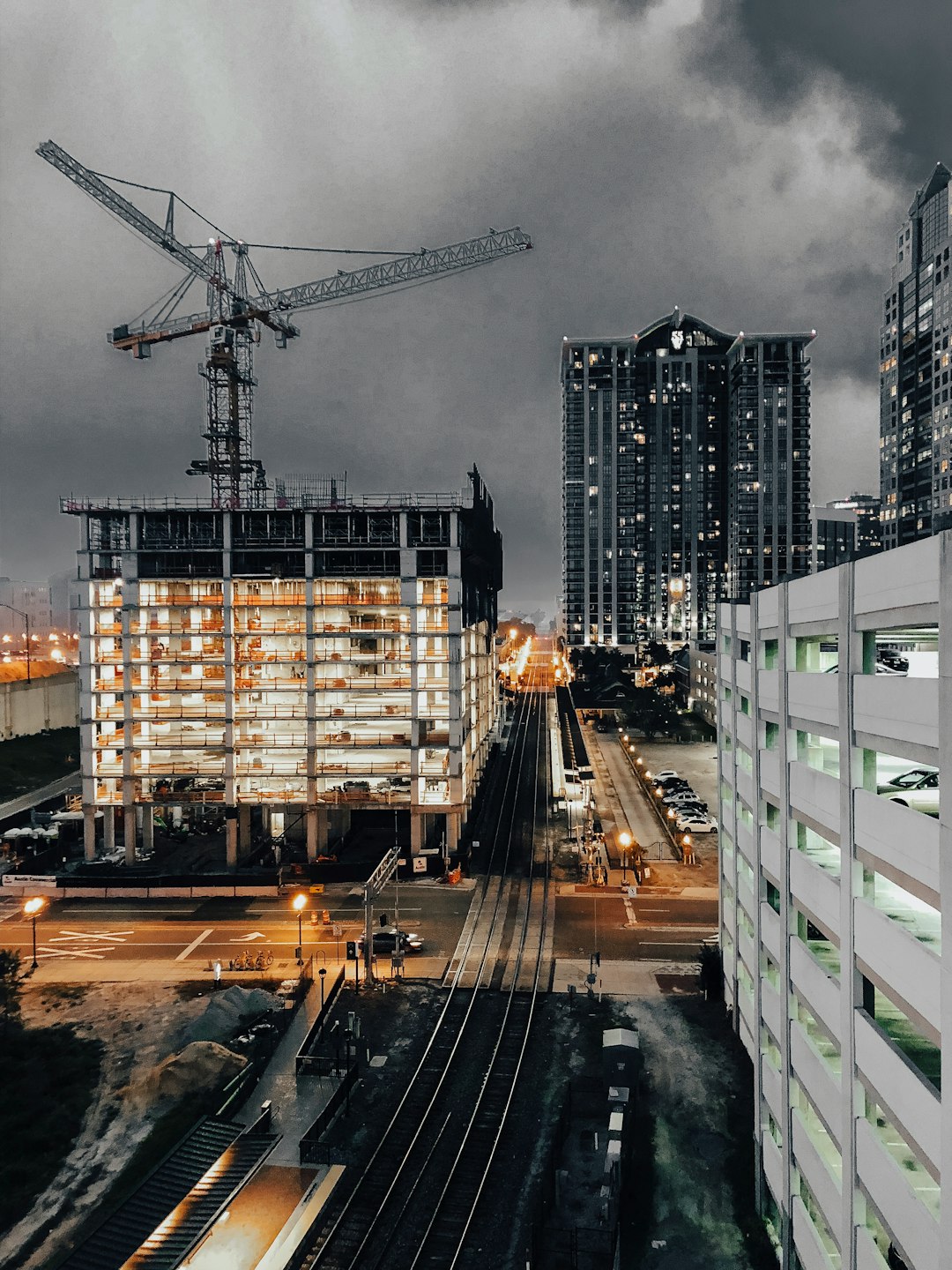
The rent story of 2028 is being written by the cranes that didn’t start in 2026 — underwrite the air-pocket, not just the oversupply.
CRE 360 Signal™ — Commercial Real Estate Intelligence
▼ EDITORIAL DESK TOP PICKS
Banks Get Back Into Commercial Real Estate Lending. Banks originated roughly $455B of CRE loans in Q1 2026, up about 80% year-over-year, as lenders re-enter the market in force.
There’s Been a Big Shift in CRE Capital Markets. Banks and private credit are now partnering rather than competing, reshaping the debt stack with note-on-note and back-leverage financing.
CRE Debt Outlook 2026: Capital Available, Lending Uneven. Plenty of capital is quoting, but conviction stays patchy across property sectors.
Equity Residential to Buy $1B of Sun Belt Apartments From Blackstone. A REIT-scale bet on the same oversupplied Sun Belt the starts collapse will eventually tighten.
Multifamily Repricing Wave Hits Lower-Tier Sun Belt Hardest. Workforce and Class C values are down 20–30% while Class A holds near 7–8% — the divergence underwriting has to price.
Harbor Group Acquires 3,590 Sun Belt Apartments for $625M. One of the year’s larger Sun Belt portfolio trades as selective buyers step back in.
SunLife Financial Buys Bell Partners for $350M. Insurance capital acquires a major apartment operator — platform M&A as a way into the reset.
Global Firm to Buy 1,600 Sun Belt Apartments for $227M. Roughly $142K per unit as foreign capital hunts discounted Sun Belt product.
Digital Realty Bets $1.6B on Data Centers and Private Capital. $475M for 1,440 powered acres near Kansas City, Teraco stake to 77%, plus the Columbia Capital buy.
Oracle’s $16B Michigan Data Center Secures Financing. One of the largest single data-center financings yet, even as power-contract appeals loom.
Private Equity Cash Fuels the Data Center Buildout. PE poured $45.7B into US data centers in 2025 — 72% of all sector investment.
Who’s Funding the Data Center Boom?. A look at the debt and equity sources bankrolling record data-center construction.

Related coverage
Get The Supply Cliff Nobody's Underwriting in your inbox
Multifamily starts just fell off a 41.6% cliff. The rent reset arrives in 2027 — and most deals aren't priced for it.