The Signal
A blue-chip tenant chose to own new gateway office — not lease, not stay put.
The commitment is dated 2031, underwriting demand a half-decade out.
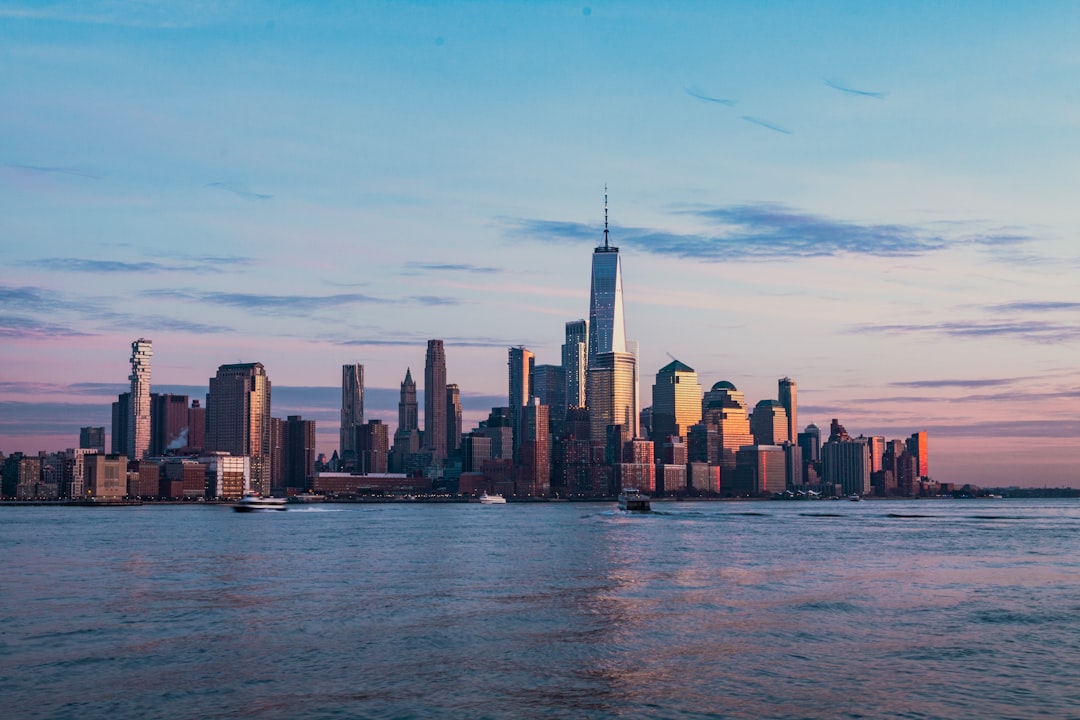
It closes the 25-year WTC rebuild at the top of the market's quality tier.
While the office narrative fixates on distressed gateway towers, one of the country's most conservative financial institutions just committed to build and own a new one. That's a different data point than "flight to quality" leasing — it's flight to quality ownership.
The structure matters. American Express isn't signing a lease it can walk from; it's buying the asset on delivery. That converts a real-estate decision into a balance-sheet one and signals durable, headquarters-level demand for the very best new product.
The read for the sector: the office bifurcation isn't just leased-vs-vacant, it's new-trophy-vs-everything-else. Brand-new, transit-rich, architect-signed towers can still pull the strongest credit in the market — even as commodity office resets.
Implications
Developers of trophy, transit-connected office in supply-constrained cores have a live tenant base among owner-occupiers, not just lessees. Owners of dated Class B/C gateway stock gain nothing from this — it widens the gap. For underwriters, "office demand" has to be split by vintage and location before it means anything.
Related coverage
Key Takeaways
- The strongest office demand in 2026 isn't a lease — it's a Fortune 100 deciding to own the newest tower in town.
Commercial Observer / Businesswire / Bisnow · July 9, 2026
Never miss a Signal
Get the daily brief that busy CRE professionals rely on.