The Signal:
- The cost floor is stepping up again, on a hard date.
- The categories hit are core structural and finish materials, not niche inputs.
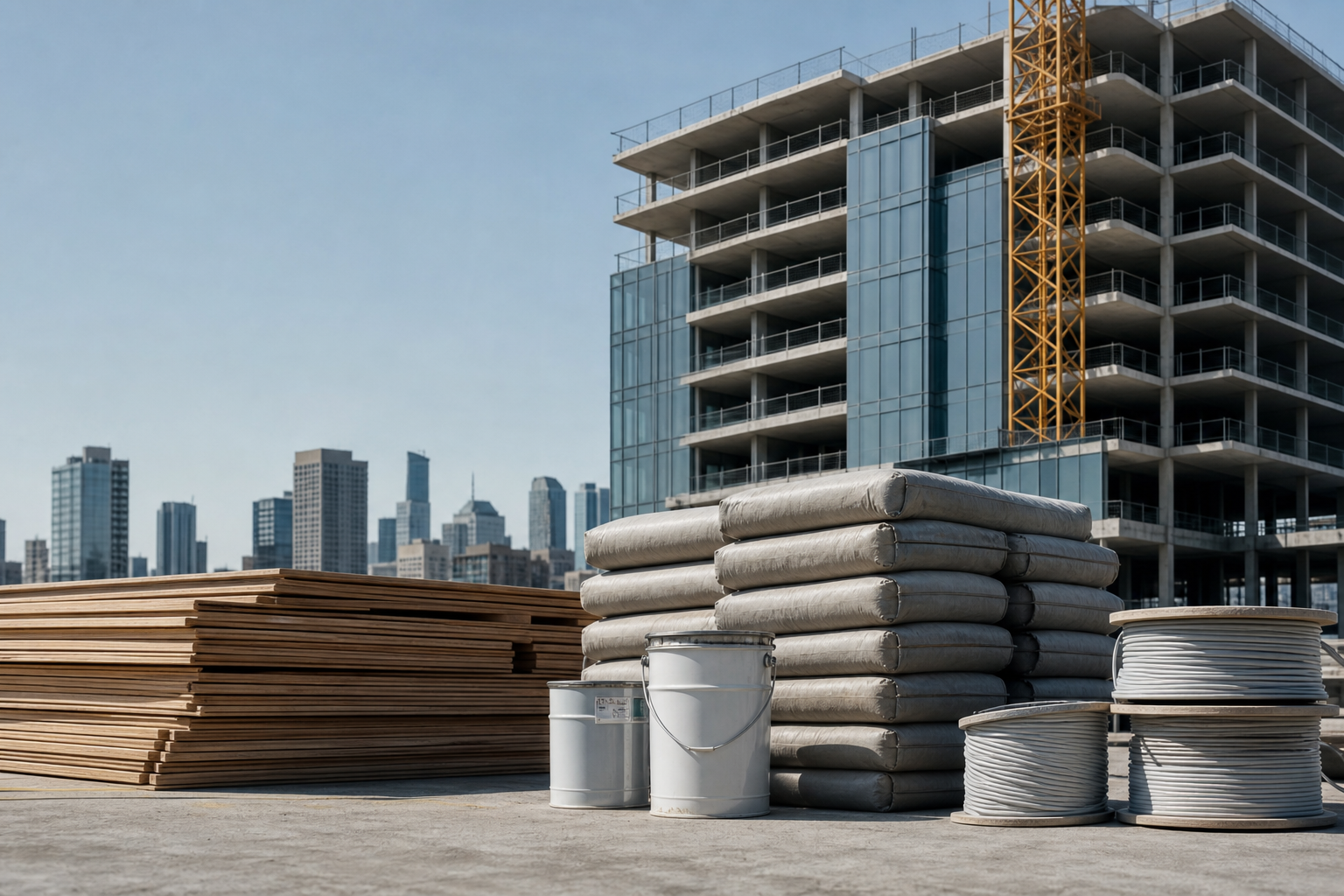
The tariff regime just added a new step. On August 19, 2026, 50 percent duties land on Canadian cement, paint, plywood and fiber cable, core structural and finish materials that flow into nearly every project. Layered on nonresidential input prices already climbing at a 12.6 percent annualized pace, the fastest since early 2022, this resets hard-cost budgets higher rather than letting them stabilize.
Tariff-driven materials costs already run about 6 percent above a 2024 baseline, after peaking near 9 percent in the summer of 2025. The structural effect is a widening capital moat: when materials reprice on a schedule, only sponsors who can absorb or hedge cost volatility keep building, and thinner-capitalized developers stall. Supply gets constrained by cost, not demand.
For underwriters, the actionable move is treating the cost line as a live variable tied to a policy calendar, and pricing contingency to the escalation.
Implications: For developers, re-run hard costs against the August 19 step and lock what you can. For owners, replacement cost and existing-asset value just moved up again. For lenders, size contingency to a moving cost floor.
Related coverage
Key Takeaways
- Tariffs keep ratcheting the construction cost floor on a schedule; cost, not demand, is now the main constraint on new supply, and it favors the well-capitalized.
- The construction cost floor steps up again on a hard August 19 date
- The categories hit are core structural and finish materials
- Cost, not demand, is now the main constraint on new supply
Cushman and Wakefield - The Impact of Tariffs on U.S. CRE Construction Costs, 2026 · Associated General Contractors of America Tariff Resource Center, 2026 · CRE Daily - Global Tariffs Raise CRE Construction Costs and Risks, August 2026
Never miss a Signal
Get the daily brief that busy CRE professionals rely on.