📢Good morning, today’s Signals are brought to you by CRE 360 Signal™.
For most of the past two years, commercial real estate commentary has focused on the wrong question: Which sectors are recovering?
The more accurate — and more useful — question is this:
Which sectors actually cleared price discovery, and which ones didn’t?
This distinction matters far more than macro forecasts, interest-rate debates, or surface-level operating metrics. Because in this cycle, the defining feature of U.S. CRE has not been collapse or recovery — it has been non-clearing markets.
With one notable exception.
🎧 Busy to read? Catch the Daily Podcast (Subscribe on YouTube, Apple, Spotify)➤ SIGNAL
The Market That Froze
Across most major CRE sectors, the adjustment period following the rate shock did not result in rapid repricing. Instead, it produced a prolonged standoff.
Owners resisted selling into lower valuations
Lenders extended maturities rather than enforce resets
Buyers waited for capitulation that never fully arrived
The result was not equilibrium — it was stasis.
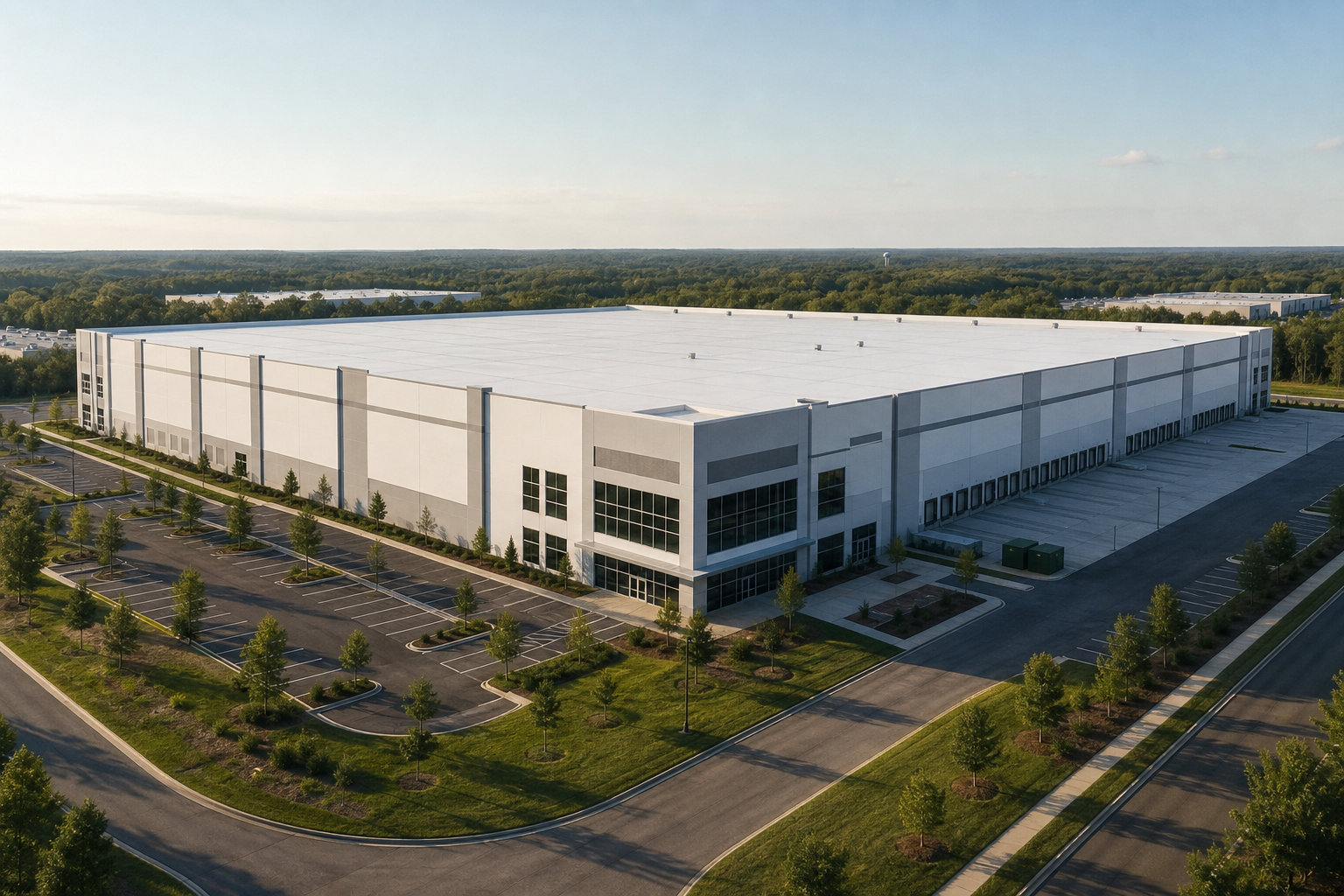
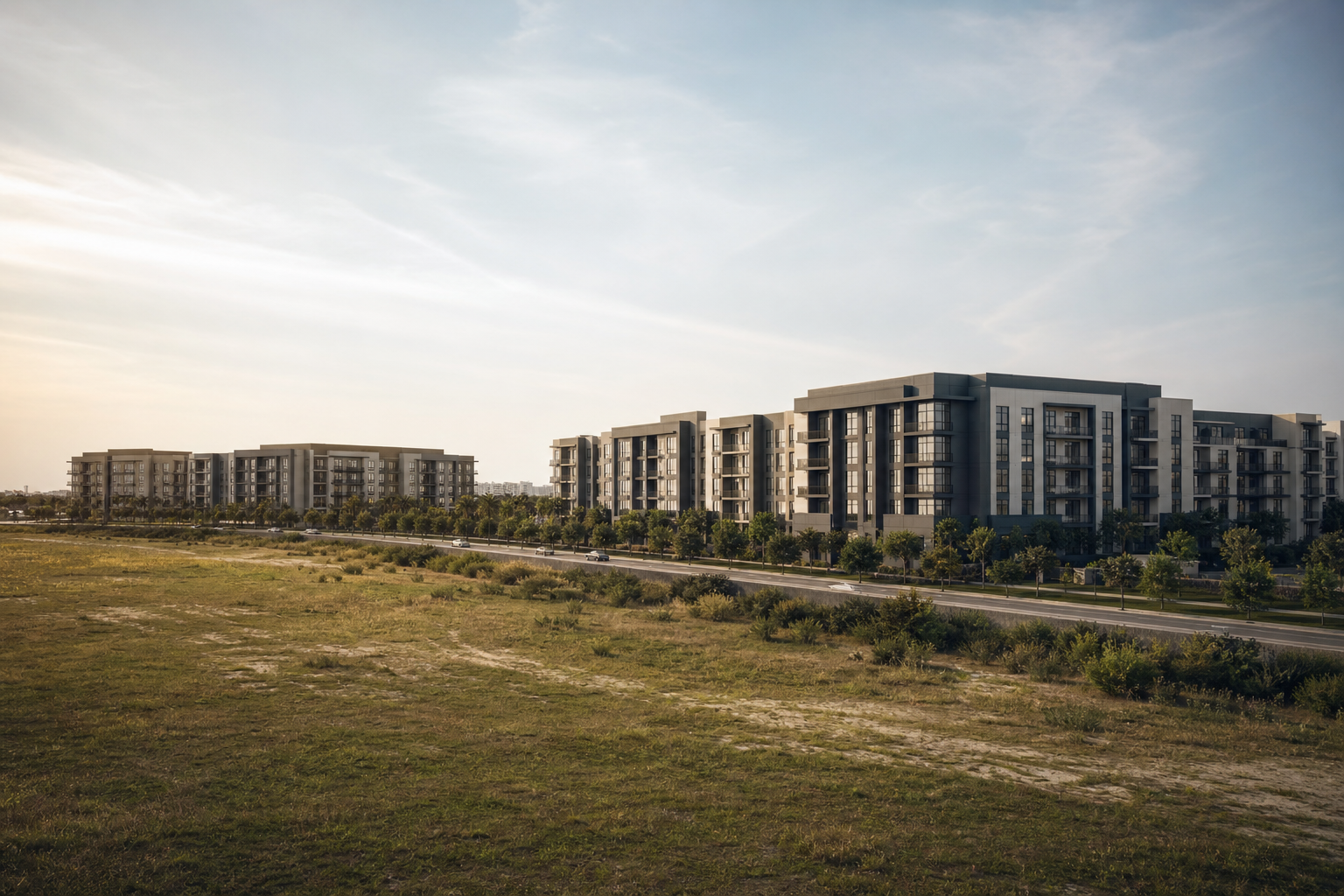
Multifamily absorbed a historic supply wave, but transaction volumes stayed muted as sellers withdrew listings rather than reset basis. Industrial fundamentals softened, yet capital largely rationed rather than repriced assets aggressively. Retail remained stable but thinly traded, masking valuation clarity. Office, facing structural impairment, became effectively unfinanceable in many markets — frozen not by confidence, but by avoidance.
In each case, the same pattern emerged:
stress existed, but price discovery was delayed. Markets didn’t clear — they paused.
The Exception: Hospitality
Hospitality behaved differently, not because demand was stronger, but because it couldn’t hide.
Unlike long-lease asset classes, hotel revenue reprices daily. There is no contractual insulation, no multi-year lease cushion, and no ability to defer reality through accounting narratives. When demand softens or costs rise, the P&L reflects it immediately. As a result, hospitality absorbed the rate and cost shock faster and more visibly:
Weak operators were exposed early
Over-levered capital stacks failed quickly
Assets changed hands rather than sitting in limbo
Cap rates reset sooner because cash flow was transparent
In short, hospitality cleared. Not cleanly. Not painlessly. But decisively.
Clearing Is Not Recovery — But It Is Health
This is where the analysis often breaks down. Clearing is not the same thing as outperforming. Hospitality did not escape volatility. In many cases, values declined materially and returns were compressed. But the sector accomplished something most others did not: it resolved uncertainty. By forcing price discovery early, hospitality entered the current phase with:
More realistic bases
Better-aligned leverage
Clearer lender expectations
Capital focused on execution rather than denial
That clarity is why the sector now appears “healthier” in comparative terms — not because demand is booming, but because the market already told the truth.
The Cost of Freezing
Non-clearing markets don’t eliminate risk — they store it. In sectors where repricing was deferred, today’s stability is often artificial:
Basis remains anchored to outdated assumptions
Extensions mask refinancing risk rather than solve it
Equity has been consumed without restoring optionality
Lender patience has been spent, not replenished
These assets may look operationally stable, but they are structurally constrained. Their future performance is dictated less by market improvement and more by capital structure survivability. That is the hidden risk of freezing: when the market eventually forces resolution, it often does so under worse conditions and with fewer degrees of freedom.
Takeaway
The prevailing narrative suggests CRE is waiting on macro relief — rate cuts, demand growth, or capital inflows. That framing misses the point.
The real divergence ahead will not be driven by broad sector momentum. It will be driven by whether assets already cleared their reset or are still postponing it.
Hospitality already crossed that bridge.
Many multifamily, industrial, and retail assets have not — particularly those carrying peak-cycle basis and thin equity. Office, in many cases, has not frozen so much as been sidelined entirely.
The implication is not that hospitality is “better,” but that it is further along in the cycle.
CRE360.ai — Daily Signals & Commercial Real Estate Intelligence
Part of the 2025 Year-End Intelligence Series.
▼ EDITORIAL DESK TOP PICKS
Suburban office lenders offload risk through discounted B-note sales, rewarding operators who can re-tenant space efficiently. https://www.trepp.com/trepptalk/office-cmbs-delinquency
Select-service hotels bridge short operating gaps using mezz or PIK extensions to avoid special servicing. https://www.greenstreet.com/insights/hospitality
Community retail sponsors preserve equity by recapitalizing with preferred equity instead of forcing asset sales. https://www.preqin.com/insights/research/blogs/preferred-equity-real-estate
Workforce multifamily loan pools trade at discounts, creating entry points for local credit funds. https://mf.freddiemac.com/investors
Periodic HUD note sales enable senior housing operators to recapitalize assets and fund operational upgrades. https://www.hud.gov/program_offices/housing/omhar
Stricter agency refinance tests push marginal multifamily borrowers toward discounted note sales. https://mf.freddiemac.com/news
Banks reduce CRE exposure by selling whole-loan participations instead of managing stressed properties. https://www.fdic.gov/analysis/quarterly-banking-profile
Hospitality cash-flow volatility triggers special-servicer debt auctions offering yield-driven entry points. https://www.trepp.com/trepptalk/hotel-loan-performance
Industrial operators monetize owned real estate through sale-leasebacks to resolve refinancing shortfalls. https://www.cbre.com/insights/industrials
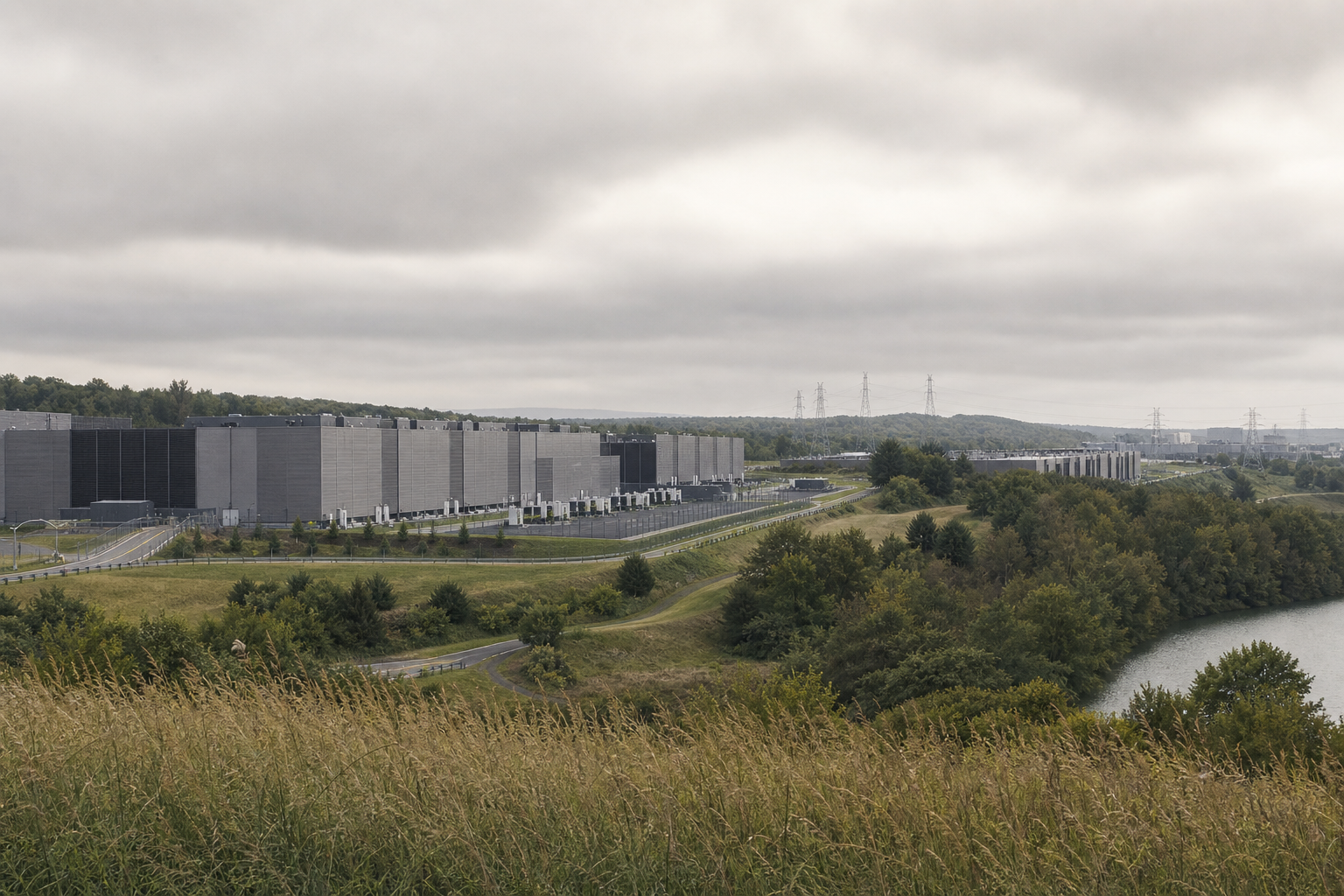
Delayed data-center developments lead lenders to restructure land positions instead of foreclosing prematurely. https://www.datacenterknowledge.com
CMBS servicers sell junior tranches post-downgrade to reduce exposure and establish price discovery. https://www.kbra.com/research/cmbs
Stable grocery-anchored retail attracts short-term mezz capital to bridge refinancing gaps. https://www.greenstreet.com/insights/retail
Student housing sponsors inject equity while B-notes trade to stabilize capital stacks. https://www.cbre.com/insights/books/student-housing
Mixed-use borrowers reduce lender exposure through paydowns while residual notes trade at discounts. https://www.spglobal.com/marketintelligence
Predictable self-storage cash flow enables lenders to sell loan participations efficiently. https://www.cbre.com/insights/self-storage
Agency programs remain active in senior housing, supporting note sales when private refinancing stalls. https://www.nreionline.com/senior-housing
Office conversion delays are recapitalized using preferred equity to price entitlement and capex risk. https://www.jll.com/insights/office-conversions
Brand-mandated hotel PIPs create short-term liquidity needs addressed through mezz extensions. https://www.hotelnewsnow.com
Anchor tenants acquire landlord debt to stabilize centers and prevent cascading vacancies. https://www.nareit.org
Borrowers sell non-core assets to protect senior debt while bifurcating remaining loan exposure. https://www.preqin.com/insights

Get Clearing vs. Freezing: What This CRE Cycle Actually Revealed in your inbox
CRE didn’t crash or recover — it stalled. Hospitality cleared early, while other sectors delayed price discovery and stored risk.