➤ Key Highlights
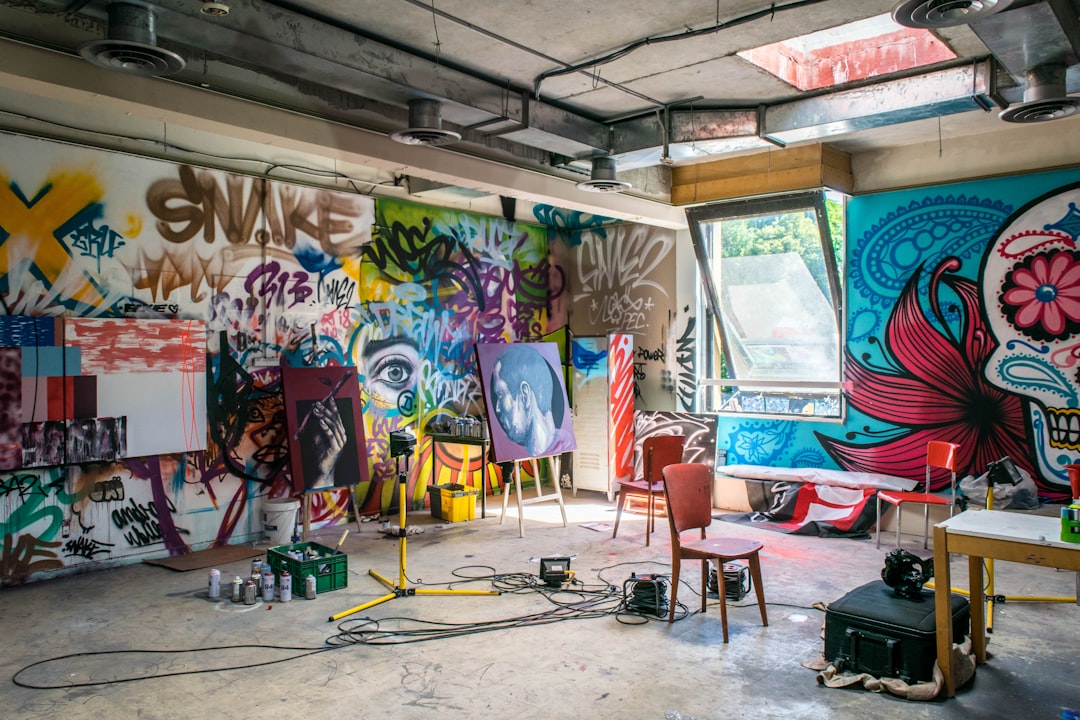
At the Natick Mall in Massachusetts, a 4K SF space operated by Zero Empty Spaces contains three artist studios and a sanctuary area.
Zero Empty Spaces was started by Evan Snow and Andrew Martineau in 2019, first leasing vacant retail space in Fort Lauderdale, Florida.
The Massachusetts studio was Zero Empty Spaces’ first out-of-state location in 2022.
The company has transformed 33 retail locations into studios totaling 150K SF in partnership with 22 real estate companies.
ZES operates in Massachusetts, Florida, and Virginia.
On average, the spaces ZES leases stay filled from 24 to 36 months.
Of the 33 locations Martineau and Snow opened, 25 have since been leased by permanent tenants.
Vacant retail spaces are being repurposed as artist studios by operators such as Zero Empty Spaces. These initiatives involve partnerships with real estate companies and typically see sustained occupancy for up to three years. Many of the previously vacant locations have transitioned to permanent tenants after serving as creative studios.
This event underscores how changes in tenant composition can signal evolving demand patterns in commercial real estate. Shifting to nontraditional occupants, such as artists, reveals new ways that landlords interpret and respond to occupancy cycles. These developments illustrate how emerging tenant profiles can shape property use and indicate broader demand shifts within the sector. The lens focuses on how adapting to different types of tenants can reflect and drive changes in retail occupancy dynamics.

⚠️ Why it matters now
For CRE stakeholders, understanding the impact of new tenant types is essential in tracking occupancy trends and adjusting leasing approaches. The evolving mix of occupants points to opportunities and challenges in aligning property strategies with actual demand. Recognizing these signals can help developers, capital providers, and operators anticipate shifts in the commercial environment and make informed decisions.
Stop Reading Headlines
Subscribe to CRE 360 Signal™ Newsletter to Move Smarter in Today's CRE Market.Start Understanding the Market
➤ TAKEAWAY
Stakeholders may continue to observe further diversification in tenant profiles as property owners explore creative approaches to fill vacancies. Monitoring how these alternative uses transition to permanent tenancy could inform future leasing and development strategies. The ongoing adaptation to demand signals may shape how retail and mixed-use spaces are positioned going forward.
❝➤ Charts & ResourcesNever miss a Signal
Get the daily brief that busy CRE professionals rely on.