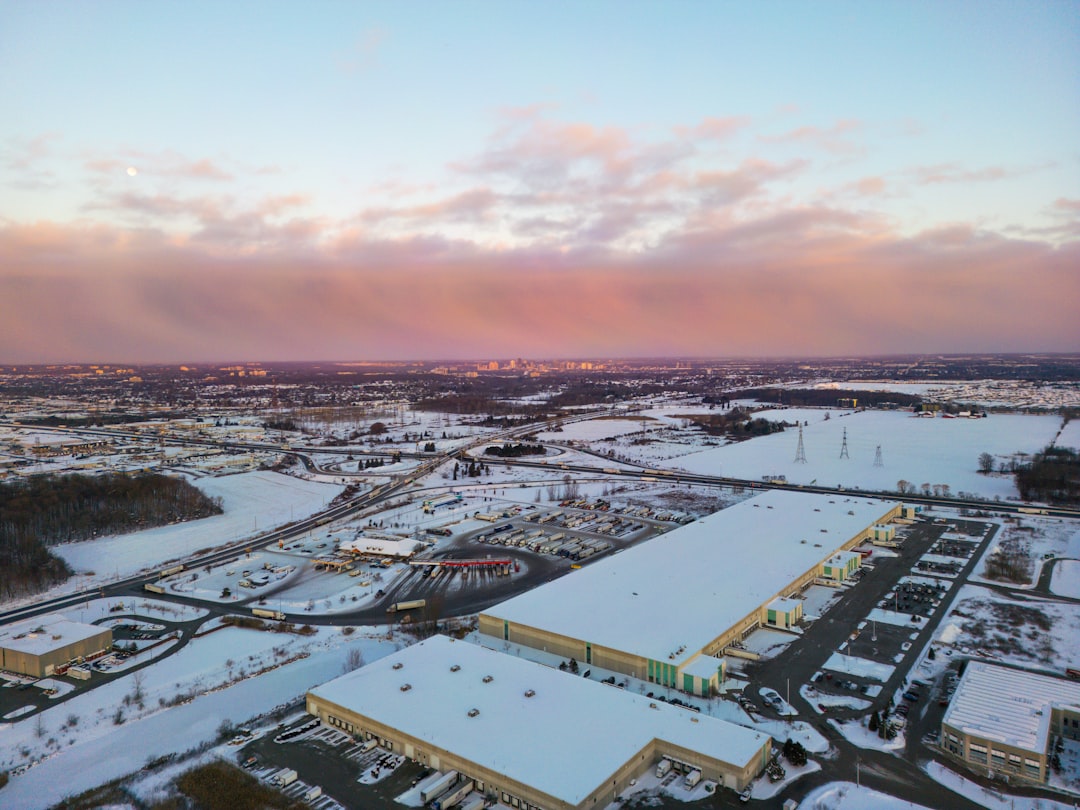
The Signal
Demand and vacancy are rising together — a late-supply-wave pattern.
Conviction is concentrated in the biggest boxes, not the market broadly.
New starts are flat, which sets up a tightening from here.
Two facts sit in tension: leasing is running at a record pace, yet vacancy is still near 7%. Both are true because 2024's development wave is still delivering into a market whose tenants are, finally, signing again.
The tell is deal size. Mega big-box space — over 1.2 million SF — is leading the recovery, and occupiers are extending terms. Tenants don't sign 15-year commitments on a million square feet when they think demand is soft. That's balance-sheet conviction.
The structural read is a coiled spring. Vacancy is elevated because of what already got built; starts are now flat. Record leasing against a frozen pipeline is exactly the setup that pulls vacancy down over the next several quarters.
Implications
Owners of large, modern, well-located logistics product are positioned to convert record leasing into pricing power as the pipeline empties. Owners of small or older infill boxes participate less — the recovery is skewed to the top of the size and quality curve. For developers, flat starts today are next year's scarcity.
Related coverage
Key Takeaways
- Record leasing plus a frozen pipeline is how a "high-vacancy" market becomes a landlord's market.
CBRE / JLL Q1 2026 figures (via CRE Daily) · July 2026
Never miss a Signal
Get the daily brief that busy CRE professionals rely on.