➤ Key Highlights
The Trepp CMBS Delinquency Rate decreased 20 basis points in November to 7.26 percent.
In November, the overall delinquent balance decreased $760 million to $43.8 billion, while the outstanding balance increased $5.8 billion to $603.9 billion.
The largest rate increase in November was in lodging, which rose 10 basis points to 6.17 percent.
The second-largest rate increase in November was industrial, which ticked up by three basis points to 0.67 percent.
The retail rate saw the largest retreat in November of 15 basis points to 6.74 percent.
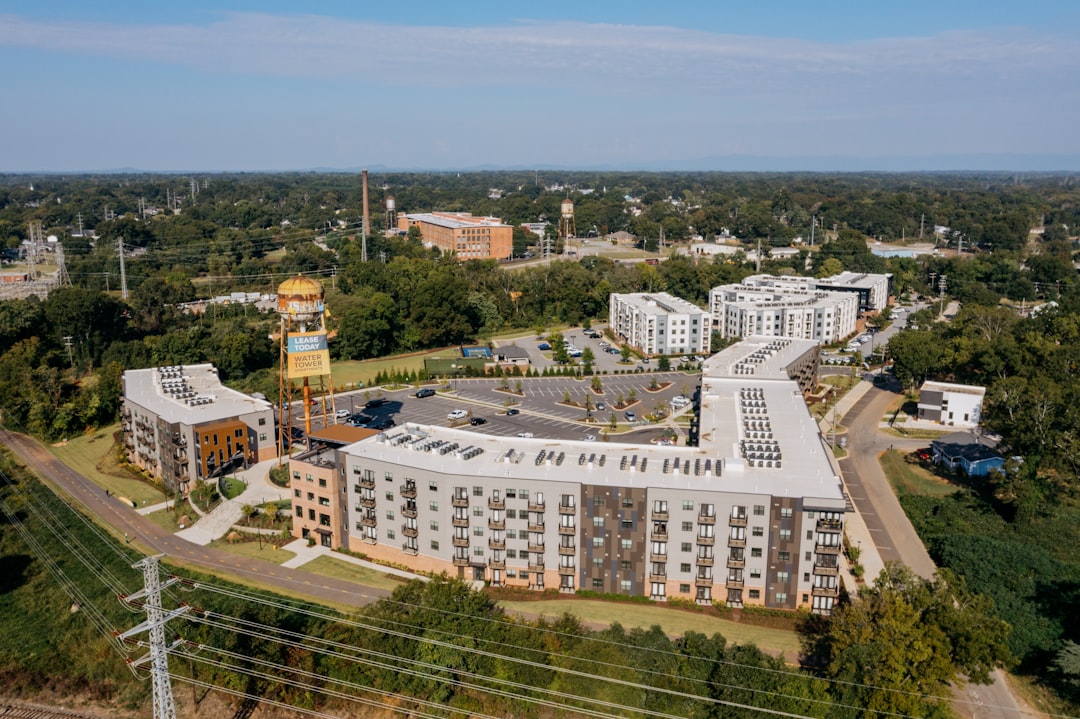
Multifamily dropped back below the 7 percent threshold in November with a 14-basis-point decline to 6.98 percent.
The Trepp CMBS Delinquency Rate resumed its climb in October 2025, jumping 23 basis points to 7.46 percent
The Trepp CMBS Delinquency Rate dropped by 20 basis points in November to 7.26 percent, following a rise in October. The overall delinquent balance decreased while the outstanding balance increased. Sector-specific delinquency rates moved in varying directions, with lodging and industrial rising, and retail and multifamily declining.
This event highlights how shifts in tenant payment behaviors serve as direct signals of evolving demand across property sectors. Changing delinquency rates can indicate where occupier stress is intensifying or easing, reflecting broader patterns of property use and tenant stability. Monitoring these patterns helps reveal which sectors face demand pressures and which see improved occupancy. Such data offers a window into tenant sentiment and underlying utilization trends across commercial real estate.
⚠️ Why it matters now
For CRE professionals, understanding tenant payment patterns is crucial for assessing the health of property sectors. These delinquency movements can inform expectations about future occupancy, lease stability, and demand risks. Using this lens, capital markets participants, developers, and operators can better interpret where demand for space is shifting and how payment reliability is evolving.
Stop Reading Headlines
Subscribe to CRE 360 Signal™ Newsletter to Move Smarter in Today's CRE Market.Start Understanding the Market
➤ TAKEAWAY
Stakeholders may continue to monitor tenant payment trends as indicators of future demand shifts and occupancy changes. Fluctuations across property types could prompt further analysis of tenant performance and sector resilience. Ongoing tracking of these signals will likely remain important for anticipating evolving market conditions.
Never miss a Signal
Get the daily brief that busy CRE professionals rely on.