The apartment market spent two years priced as an oversupply problem. Q2 demand data says the next two years are a scarcity trade.
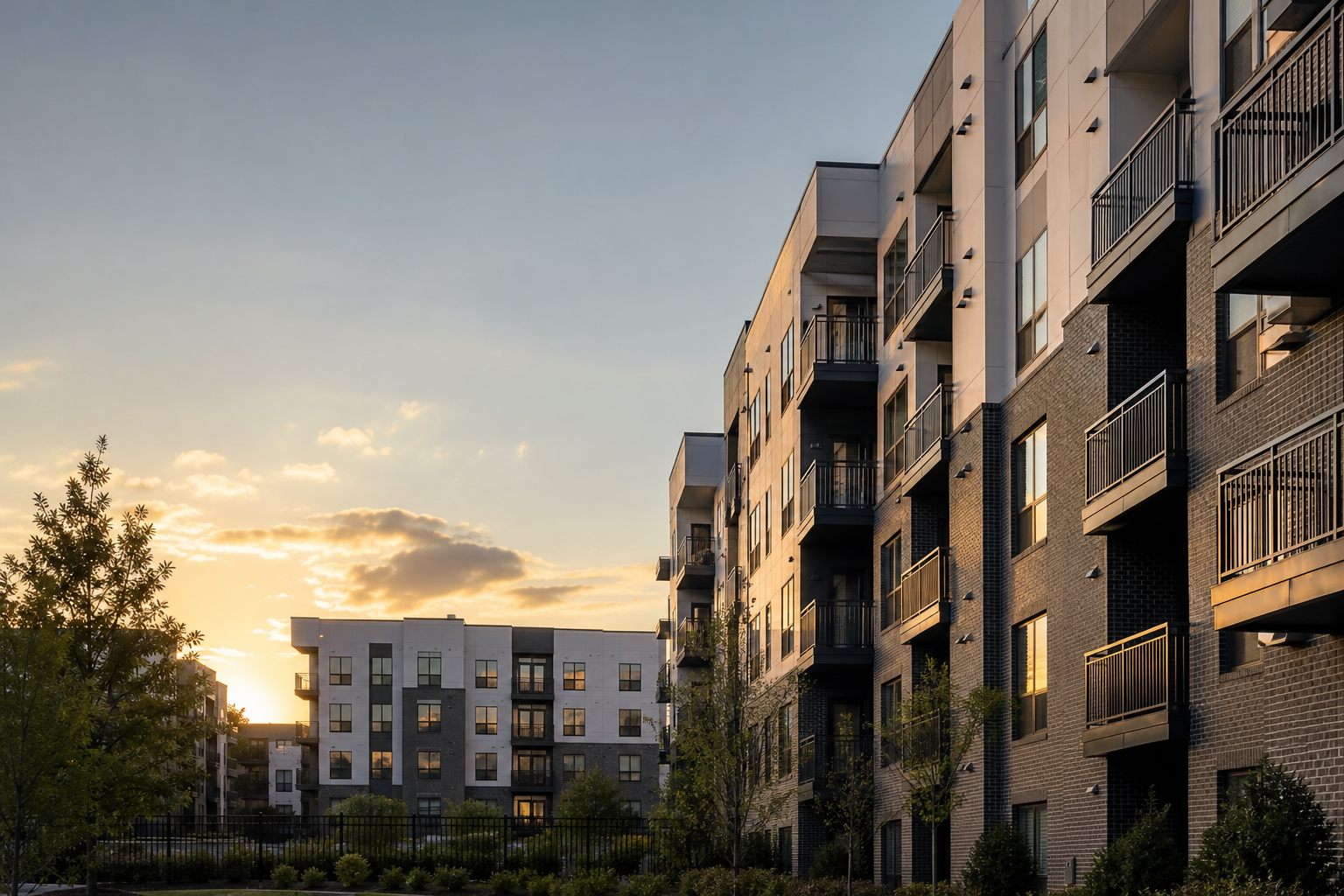
For two years, one word defined multifamily: oversupply. A historic construction wave — concentrated in the Sun Belt — pushed vacancy up, flattened rents, and turned apartments into the asset class capital wanted to wait out. The second-quarter demand data breaks that frame. Renters are now absorbing units at a pace the U.S. has matched only a handful of times this century, and the supply that scared everyone is rolling off.
The Signal. U.S. apartment net absorption reached roughly 124,600 units in Q2, per Cushman & Wakefield — up from 83,500 in Q1 and about 8% above a year ago, the fifth-strongest quarter in nearly 25 years. AvalonBay's operating update put same-store occupancy at 96.3%, and the company reaffirmed Q2 core-FFO guidance of $2.72 to $2.82 ahead of full results due after today's close. Underneath the demand print, new deliveries are rolling off and starts sit near multi-year lows, thinning the 2027 pipeline just as absorption accelerates.
Our Read. The number that matters is not absorption alone — it is absorption meeting a shrinking pipeline. For two years, strong demand was invisible because it was measured against record supply; every leased unit was offset by another delivery. That math is reversing. As the crest of the 2024-25 wave passes, the same demand cuts into vacancy directly instead of treading water against it.
That reprices the sector. Occupancy above 96% at institutional scale is where concessions burn off and pricing power returns. Markets that could not push rent a year ago — Austin, Phoenix, the Sun Belt metros that took the supply hit — have the steepest supply cliffs ahead, so the recovery could be sharpest exactly where the pain was worst.
It also explains the tape. The AvalonBay-Equity Residential combination is not a defensive merger; it is a platform being assembled to own the scarcity window on the far side of the supply wave. When the largest operators consolidate into a demand-and-thinning-supply setup, they are underwriting the same inversion this data describes.
The risk is that this is a demand story, not a cost-of-capital story. Absorption fixes vacancy; it does not fix an expensive balance sheet. Rates, insurance, and taxes still compress the levered return even as occupancy climbs — so the sector's problem migrates from the top line to the capital stack.
Stakeholder lens. Owners who held through the wave now have a demand tailwind and fewer competing lease-ups — the exit window is opening. Buyers entering the trough can underwrite rent growth that was uninsurable a year ago, but the discipline is basis and debt cost, not demand. Developers face the mirror image: the thin 2027 pipeline that helps owners is the same one that makes new starts hard to pencil. For lenders, the question shifts from will it lease to does it cash-flow at this rate.
Related coverage
Key Takeaways
Apartments were priced for two more years of oversupply. Q2 absorption at a near-25-year high, against an emptying pipeline, says the trade has flipped — the next cycle is about scarcity and rent, and the risk has moved from vacancy to the cost of capital.
Absorption meeting a shrinking pipeline, not the raw number, is what reprices multifamily
Occupancy above 96% is where concessions burn off and pricing power returns — sharpest where oversupply was worst
This is a demand story, not a cost-of-capital story: the risk moves from vacancy to the balance sheet
Whether Q2 rent growth confirms the occupancy strength — AvalonBay's full results after the close, and the REIT prints that follow, are the first read. Also open: how evenly the recovery spreads, since the Sun Belt's demand strength still runs against its deepest remaining supply. What is settled is the direction: the supply wave is passing, and demand is on the right side of it.
Cushman & Wakefield — U.S. Multifamily Q2 2026, July 2026. AvalonBay Communities — Q2 2026 operating update & guidance (full results after 7/22 close). CNBC — What the AvalonBay, Equity Residential merger means for the apartment industry and rents, May 22, 2026
Get The Absorption Turn in your inbox
Renters cleared record apartment supply at a near-25-year pace just as the construction pipeline empties — flipping multifamily from an oversupply story to a scarcity trade.