📢Good morning, today’s Signals are brought to you by CRE 360 Signal™.
Commercial real estate stress is not producing the foreclosure wave many expected. Instead, lenders are quietly reducing exposure by selling loans, restructuring debt, and reallocating capital. This shift reflects a rational response to regulatory pressure, refinancing constraints, and balance-sheet economics — and it is redefining where real opportunity exists in the market. Over the last 12 months, this dynamic has quietly replaced foreclosure as the primary exit strategy for stressed CRE debt.
🎧 Busy to read? Catch the Daily Podcast (Subscribe on YouTube, Apple, Spotify)➤ SIGNAL
A Change in the Decision Tree, Not a Change in Conviction
The traditional assumption that financial stress leads directly to asset takeovers has become increasingly unreliable. In today’s lending environment, decisions are driven less by asset-level views and more by balance-sheet mechanics, regulatory capital treatment, and timing risk. Foreclosure remains an available tool, but it is no longer the default response.
Loan sales and structured debt exits are being used selectively — not as a retreat from ownership, but as a more efficient way to manage exposure when outcomes no longer align with capital objectives. In these cases, liquidity and certainty often outweigh the optionality of controlling the underlying asset.
Refinancing Constraints Are Narrowing the Path Forward
Stricter refinance tests and more conservative underwriting assumptions are quietly disqualifying otherwise functional assets. In many situations, properties continue to operate acceptably, yet their capital stacks no longer meet revised debt-service or valuation thresholds. Rather than extending exposure or initiating foreclosure prematurely, lenders are increasingly evaluating partial exits, note sales, or risk-sharing structures.
These decisions reflect process discipline, not distress. They allow institutions to manage marginal positions without triggering asset-level events that consume time, capital, or reputational bandwidth.
Why Debt Exits Often Outperform Ownership in Marginal Cases
Taking ownership of commercial real estate introduces operational complexity, capital commitments, and regulatory considerations that sit outside the core mandate of most lending institutions. In marginal scenarios, selling or restructuring debt can convert uncertainty into liquidity, improve capital ratios, and reduce future volatility — while preserving optionality elsewhere on the balance sheet.
A decade ago, time and pricing volatility often justified taking assets. Today, higher capital costs and regulatory friction have altered that calculus. As a result, B-notes, discounted senior positions, and structured debt solutions have become increasingly relevant tools within the lender decision framework — not permanent replacements for ownership, but efficient alternatives when conditions warrant.
Takeaway
The most compelling opportunities in this cycle are not at the asset level. They exist within the debt itself. Loan positions trading below intrinsic value, mispriced risk embedded in capital stacks, and structures that reward patience are quietly outperforming traditional acquisition strategies.
Investors focused solely on property sales are missing the market. The real repricing is happening above the equity line.
CRE360.ai — Daily Signals & Commercial Real Estate Intelligence
Part of the 2025 Year-End Intelligence Series.
▼ EDITORIAL DESK TOP PICKS
Suburban office lenders offload risk through discounted B-note sales, rewarding operators who can re-tenant space efficiently. https://www.trepp.com/trepptalk/office-cmbs-delinquency
Select-service hotels bridge short operating gaps using mezz or PIK extensions to avoid special servicing. https://www.greenstreet.com/insights/hospitality
Community retail sponsors preserve equity by recapitalizing with preferred equity instead of forcing asset sales. https://www.preqin.com/insights/research/blogs/preferred-equity-real-estate
Workforce multifamily loan pools trade at discounts, creating entry points for local credit funds. https://mf.freddiemac.com/investors
Periodic HUD note sales enable senior housing operators to recapitalize assets and fund operational upgrades. https://www.hud.gov/program_offices/housing/omhar
Stricter agency refinance tests push marginal multifamily borrowers toward discounted note sales. https://mf.freddiemac.com/news
Banks reduce CRE exposure by selling whole-loan participations instead of managing stressed properties. https://www.fdic.gov/analysis/quarterly-banking-profile
Hospitality cash-flow volatility triggers special-servicer debt auctions offering yield-driven entry points. https://www.trepp.com/trepptalk/hotel-loan-performance
Industrial operators monetize owned real estate through sale-leasebacks to resolve refinancing shortfalls. https://www.cbre.com/insights/industrials
Delayed data-center developments lead lenders to restructure land positions instead of foreclosing prematurely. https://www.datacenterknowledge.com
CMBS servicers sell junior tranches post-downgrade to reduce exposure and establish price discovery. https://www.kbra.com/research/cmbs
Stable grocery-anchored retail attracts short-term mezz capital to bridge refinancing gaps. https://www.greenstreet.com/insights/retail
Student housing sponsors inject equity while B-notes trade to stabilize capital stacks. https://www.cbre.com/insights/books/student-housing
Mixed-use borrowers reduce lender exposure through paydowns while residual notes trade at discounts. https://www.spglobal.com/marketintelligence
Predictable self-storage cash flow enables lenders to sell loan participations efficiently. https://www.cbre.com/insights/self-storage
Agency programs remain active in senior housing, supporting note sales when private refinancing stalls. https://www.nreionline.com/senior-housing
Office conversion delays are recapitalized using preferred equity to price entitlement and capex risk. https://www.jll.com/insights/office-conversions
Brand-mandated hotel PIPs create short-term liquidity needs addressed through mezz extensions. https://www.hotelnewsnow.com
Anchor tenants acquire landlord debt to stabilize centers and prevent cascading vacancies. https://www.nareit.org
Borrowers sell non-core assets to protect senior debt while bifurcating remaining loan exposure. https://www.preqin.com/insights

Get Why Lenders Are Selling Loans Instead of Taking Buildings Back in your inbox
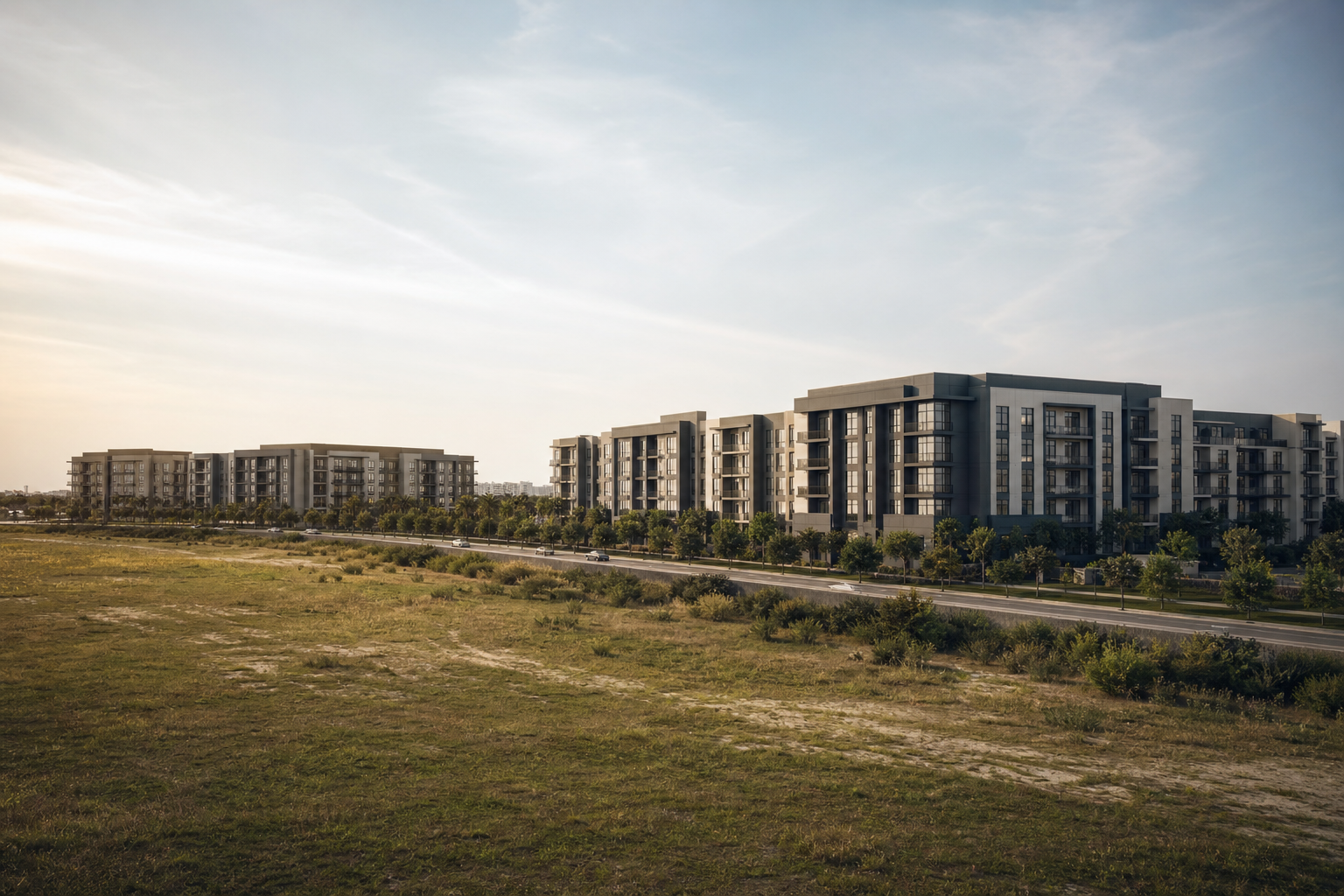
A growing preference among some lenders to reduce exposure through loan sales, reflecting balance-sheet discipline and refinancing constraints.