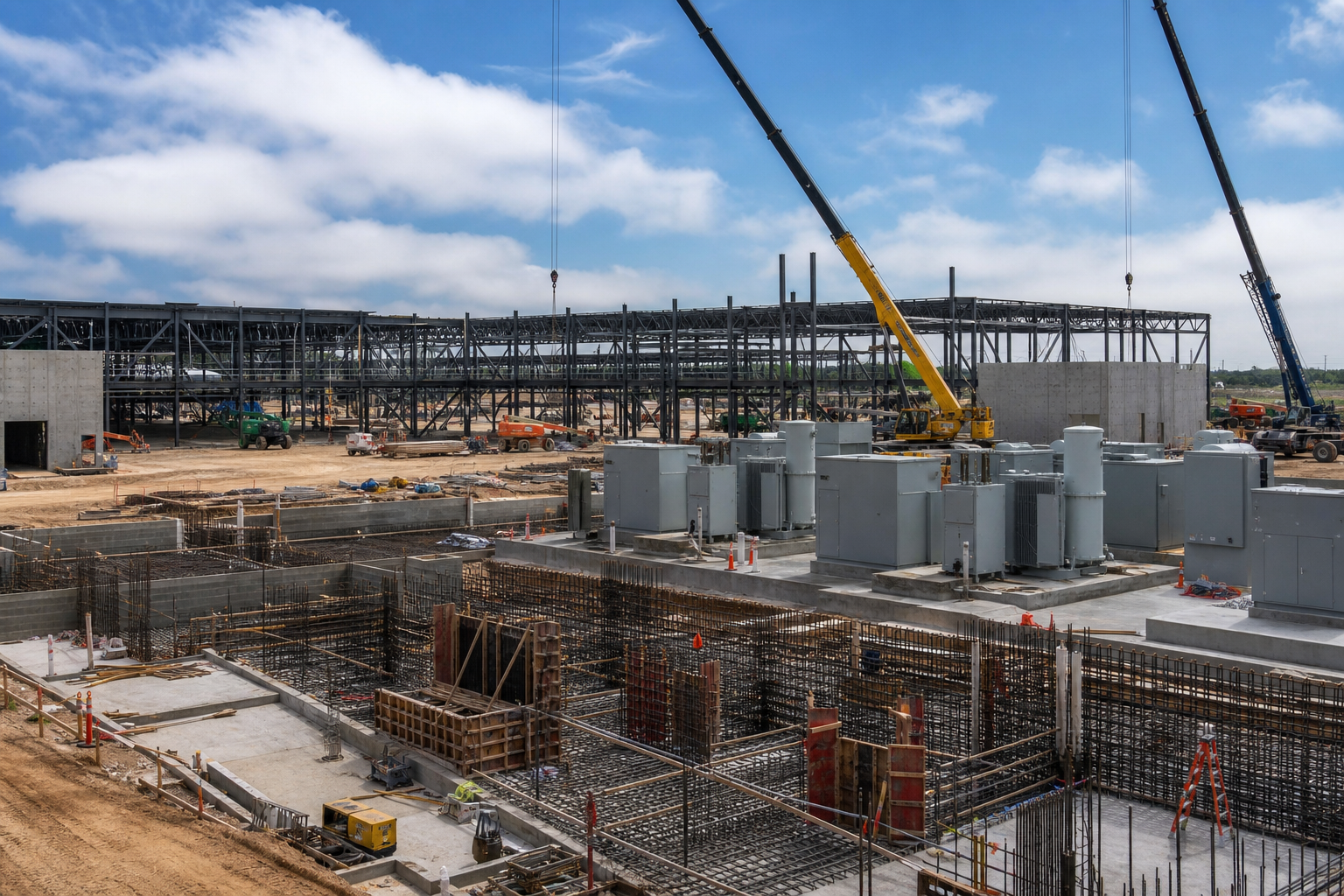
The Data-Center Boom Is Now Setting Everyone Else's Hard Costs
Steel, switchgear, and cooling are being priced by hyperscale procurement — and every other builder pays it.
CRE360 Editorial Desk·Jul 19, 2026
Materials, labor & development
Steel, switchgear, and cooling are being priced by hyperscale procurement — and every other builder pays it.

A temporary duty expires into a more complex replacement regime, with input costs at an all-time high.

Section 122 tariffs expire next month, turning materials exposure into a datable underwriting cliff.

Inputs jumped 9.6% year-over-year as energy, not trade policy, drives the squeeze.
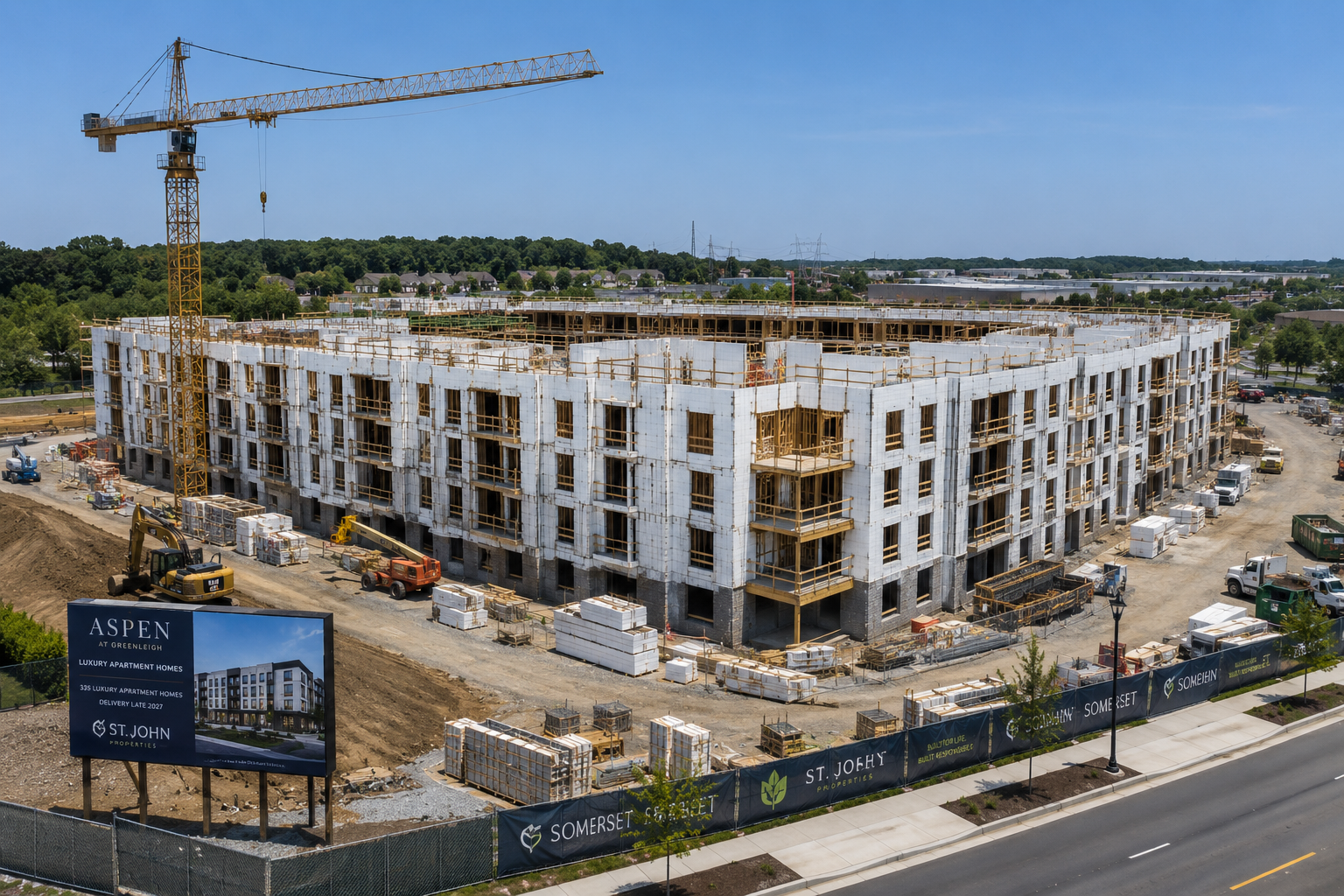
St. John Properties breaks ground on 335 units in Maryland — the largest ICF building in North America.
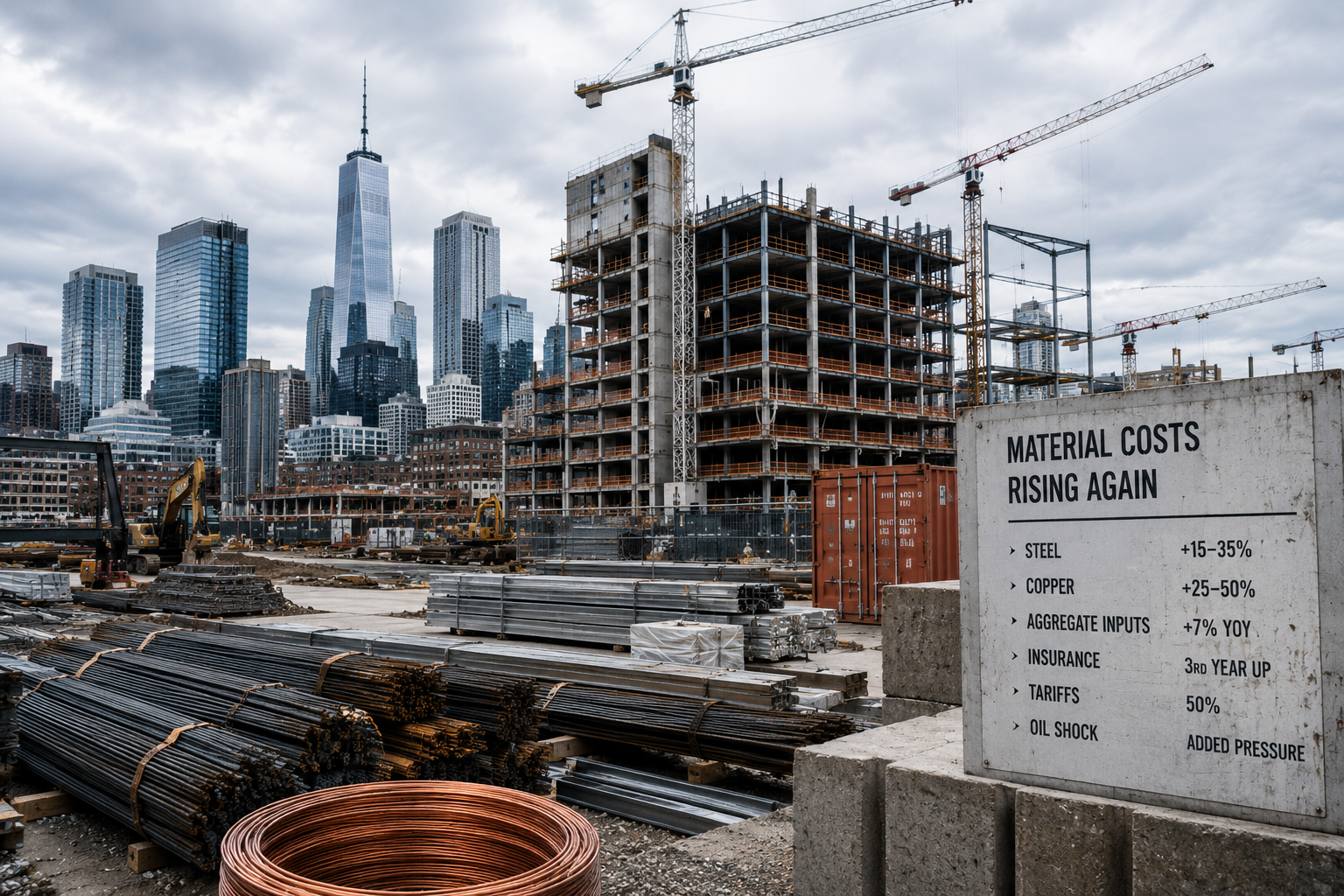
Tariffs and the oil shock are pushing materials and insurance back up — quietly resetting development feasibility.

New federal rule formalizes employer responsibility for properly fitting protective equipment on jobsites.

Tariffs, shortages, and policy shifts demand agile execution strategies.

New law reshapes cash flow, contract terms, and payment risk statewide.

Nineteen states lift pay baselines, reshaping labor budgets nationwide.

National security considerations drive federal pause, impacting Coastal Virginia, Vineyard, Revolution, Empire, and Sunrise projects.
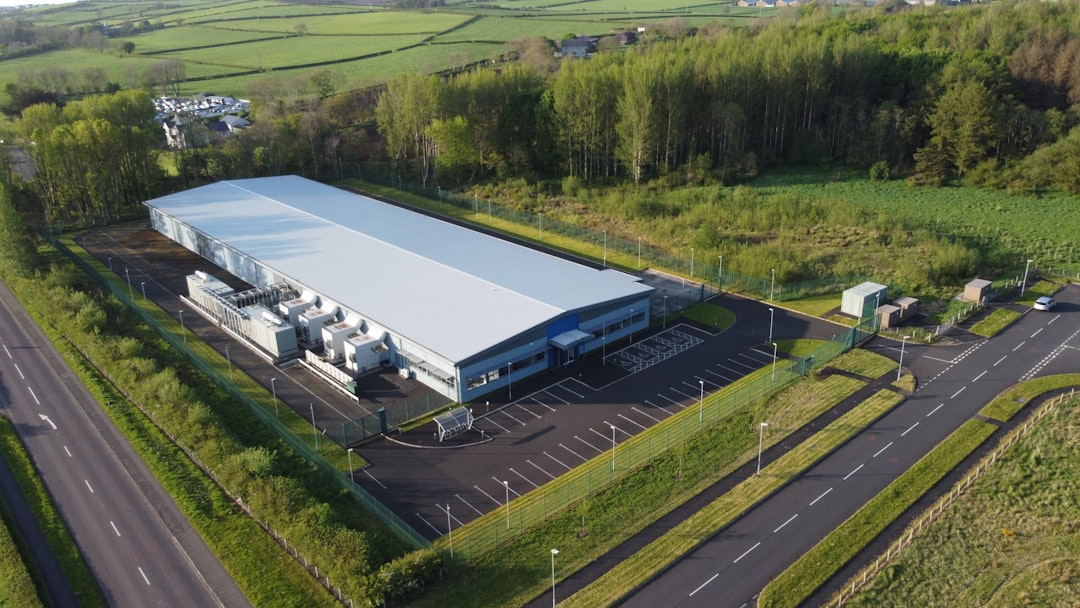
AI, robotics, and data center demand are driving fundamental changes in construction workflows and decision-making.

Workforce gains point to strengthening momentum in specialty trades and civil construction

Planning activity remains elevated as cost and labor constraints shift risk toward execution
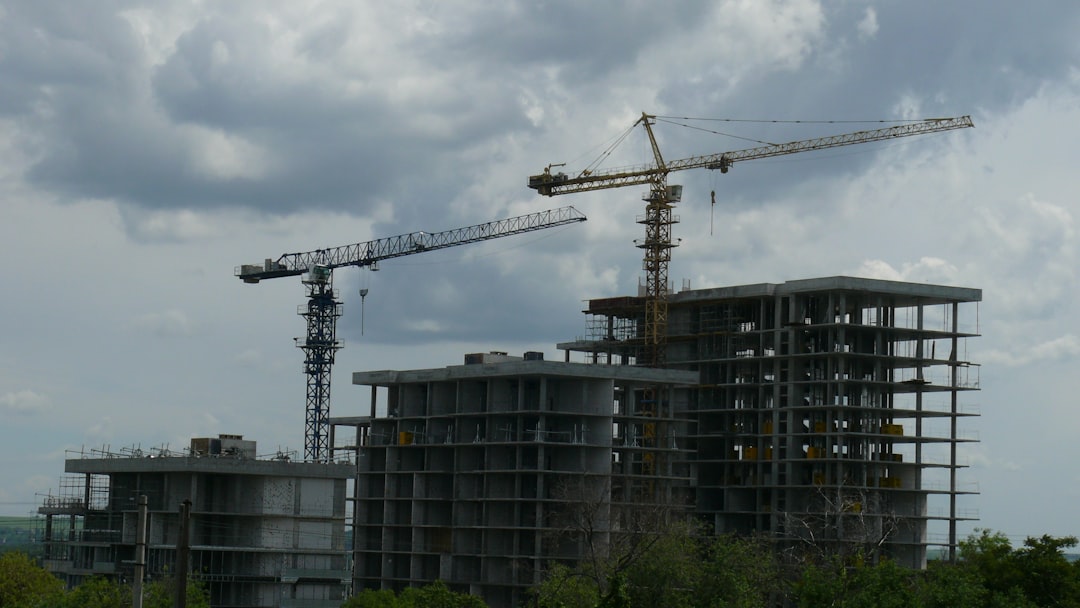
Easing borrowing costs collide with persistent lender caution, keeping project starts in check.

Saronic’s upgrade adds major production space and prepares the shipyard for next-generation autonomous vessel manufacturing.
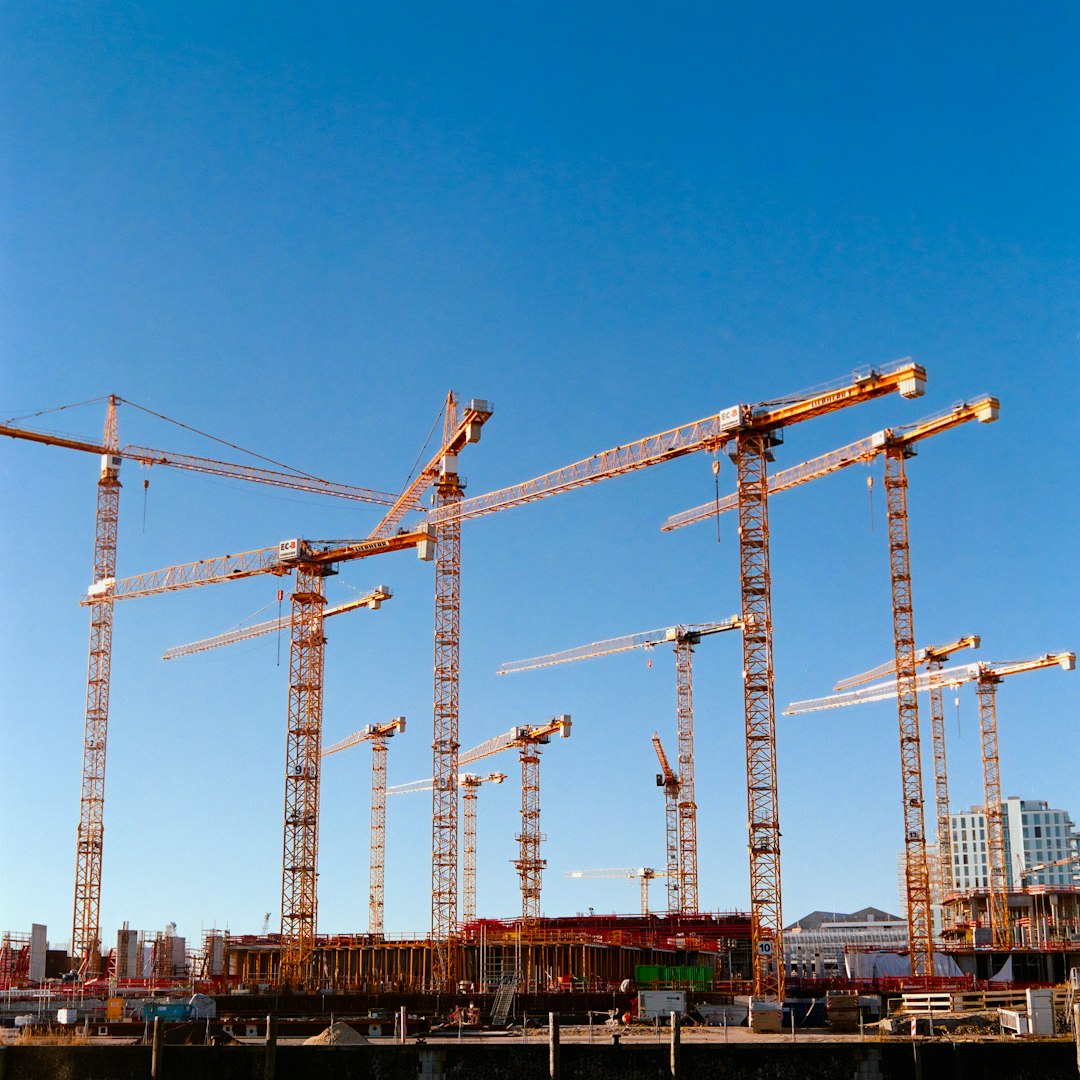
Intelligent automation is reshaping project delivery by streamlining decisions, elevating responsiveness, and optimizing on-site performance.
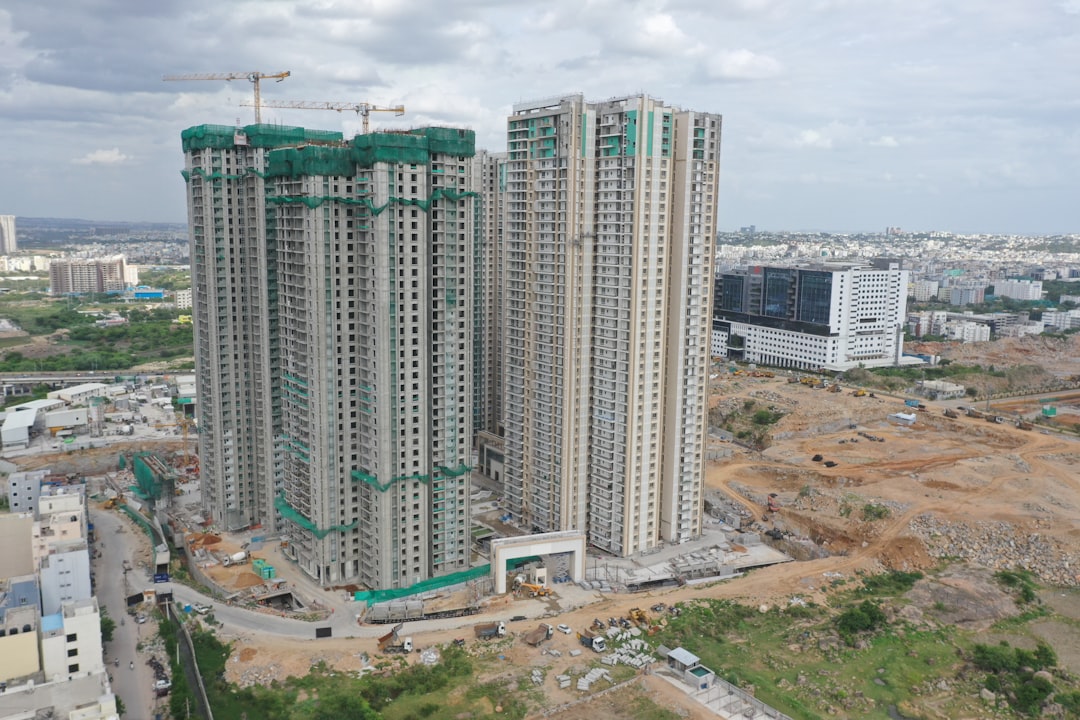
Mega mixed-use development showcases scale, complexity, and collaborative execution in real estate.

Payroll changes and wage trends highlight the dynamic labor landscape and broader economic signals.

Tracking new project entries highlights evolving supply pipeline and construction outlook.
State-funded cash awards and technical support could accelerate early-stage adoption of mass timber, reshaping how developers plan future Michigan projects.

Ongoing shifts in procurement dynamics emphasize the need for adaptive strategies to manage execution and financial uncertainty.

FHFA-sets-2026-multifamily-caps-88b-each
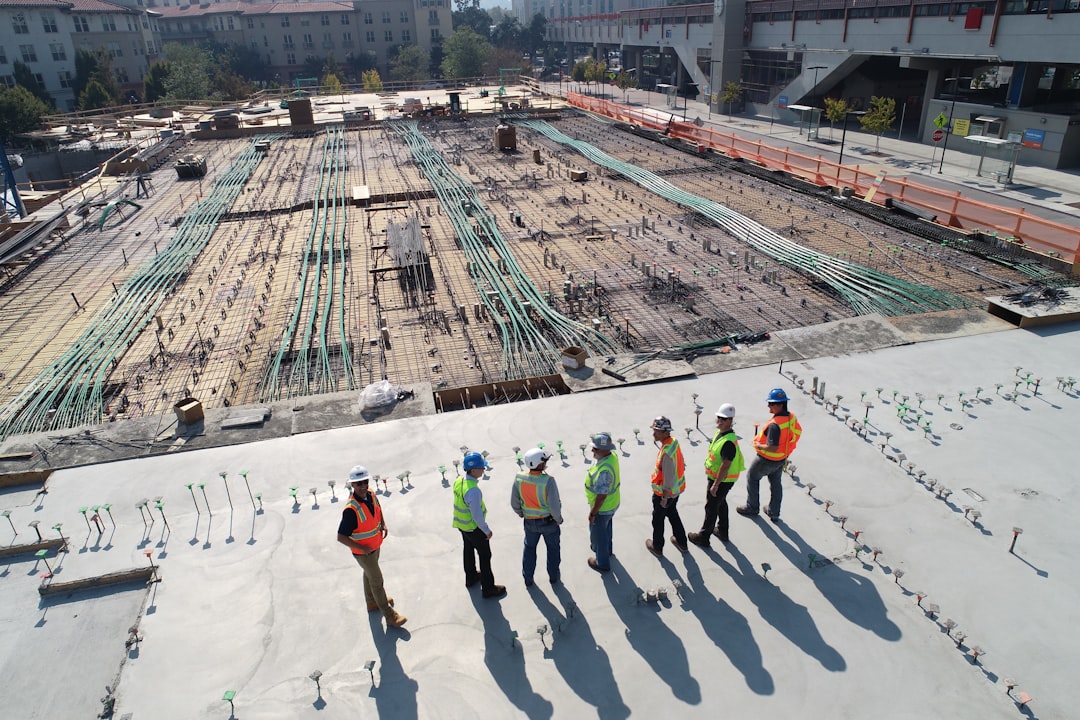
Most people track rates, CPI, or materials indexes to understand construction costs.That’s fine—but it’s backward-looking.
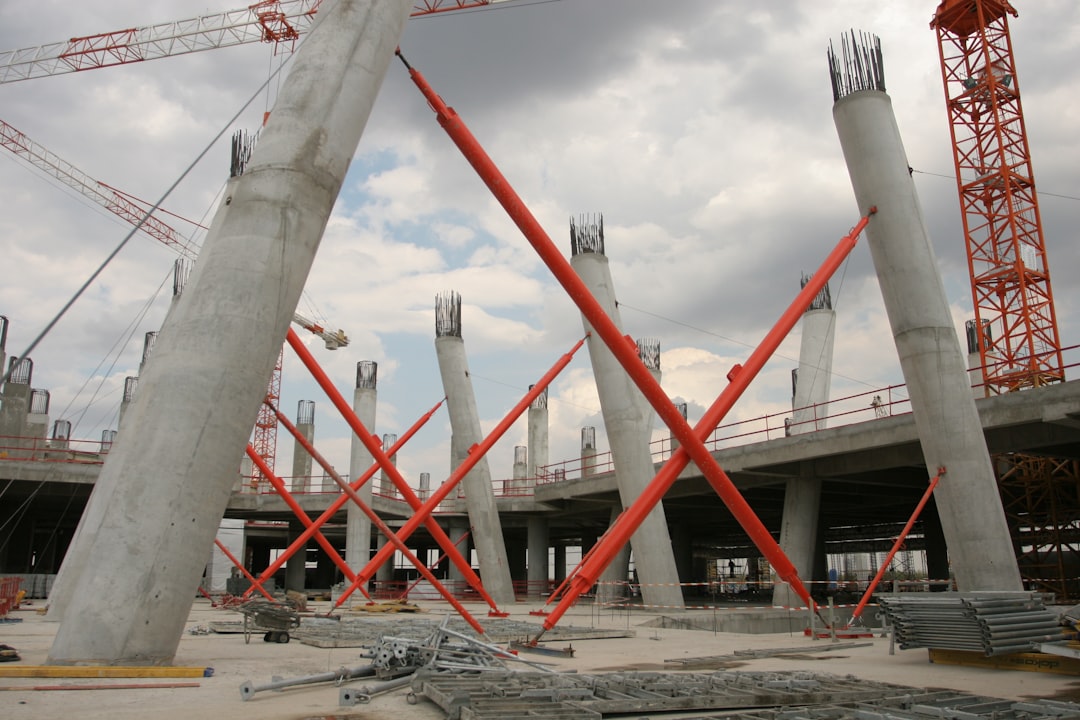
Funding Shortfall Derails $700M Milwaukee Mixed-Use, Exposing Capital Stack Fragility

Flat Rents Mask Submarket Divergence as Atlanta Multifamily Absorbs New Supply

Steel, aluminum, and copper tariffs lift construction budgets +4.6%, delaying starts and straining project feasibility.

Net-leased childcare centers attract repeat buyers with yield premiums and long leases, even as borrowing costs remain high.

August saw steady $100M+ deals and active mid-market trades, signaling disciplined but ongoing liquidity in U.S. CRE.

Sustainability shifts from compliance cost to income driver, shaping underwriting, financing, and exit values.

All three Manhattan casino proposals rejected; outer boroughs now favored for $11B+ gaming expansion.

Easing cycle begins; refinancing window cracks open but spreads and underwriting remain tight for CRE.
Persistent high rates stall transaction volume, hindering CRE financing.

Fed rate-cut expectations boost stock and bond markets, creating favorable CRE financing conditions.

High-end brands continue to secure scarce trophy retail locations, sustaining rent growth even as international tourism lags.

Private equity primed to deploy $250B+ in commercial real estate, targeting repriced assets and recapitalizations amid 2025-26 market recovery.

SB 15, SB 840, and HB 24 reshape zoning, conversions, and neighbor protests; most provisions take effect September 1, 2025.

CMBS market reaches $58.8B in H1 2025 with record single-asset deals, despite rising office loan defaults and 7.3% overall delinquency rate.
Trusted Daily
40,000+
Daily Subscribers
Brokers, investors, developers, and lenders open CRE 360 Signal™ every morning for the market intelligence that moves their decisions.
Free. Independent. Editorially rigorous.
Follow the Signal
Add your profile URLs from the Editorial Desk → Social links.