➤ The Signal
The “office recovery” narrative is really a single-sector demand story.
Concentration this tight is a strength now and a risk later.
Gateway scarcity is being manufactured by one buyer cohort.
The numbers are real, but they are narrow. One industry — generative AI — is carrying a gateway office market that the rest of the economy is still vacating. When a single sector supplies a fifth of national big-market leasing, “recovery” and “concentration” become the same sentence.
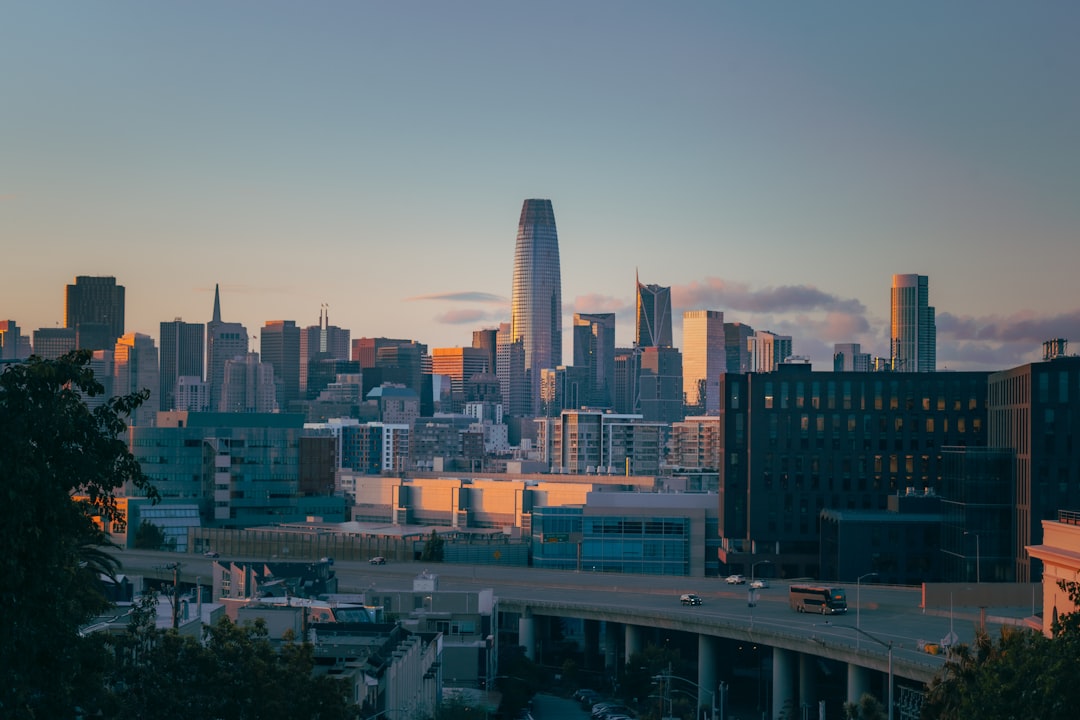
For San Francisco specifically, the snap-back is extraordinary: the strongest leasing quarter in over a decade, led by tenants that barely existed five years ago. Vacant blocks that looked permanently stranded are clearing because two or three credit-thin, capital-rich occupiers need space fast.
That is exactly where underwriting gets interesting. AI tenant credit is young, funding-dependent, and cyclical. A landlord re-leasing at today’s velocity is underwriting the durability of a single demand wave — not a diversified tenant base.
➤ Implications
Owners in Cerebral Valley submarkets capture outsized rent recovery, but the rent roll inherits the AI funding cycle. Diversification of tenant base, not just occupancy, is the real risk metric. Markets without an AI anchor stay in the slow lane.
Related coverage
Key Takeaways
- When one industry signs a fifth of the leases, occupancy is recovering — but concentration risk is being written into the lease.
The Real Deal / Commercial Observer / VTS / CBRE — June 2026
Never miss a Signal
Get the daily brief that busy CRE professionals rely on.