Every other property type spent two years arguing about the bottom. One never had the conversation — and its largest owner is rotating capital in as fast as it can deploy.
Welltower reported second-quarter results this week, and the numbers read like they came from a different cycle. Normalized FFO per share rose 25% year over year to $1.60. Total same-store NOI grew 15.5%. The senior-housing operating (SHOP) segment expanded margins by 300 basis points to over 32% — back above pre-pandemic levels — and posted its 15th consecutive quarter of NOI growth above 20%.
The Signal. The capital activity is just as pointed. Welltower closed roughly $6.2 billion across 138 communities in the quarter and $15.5 billion year to date, with more than $5 billion of additional seniors-housing acquisitions announced for the second half. To fund the push, it has been shedding non-core exposure — around $7.2 billion of outpatient-medical dispositions — and concentrating on the demographic trade. Management raised full-year normalized FFO guidance to $6.36–$6.44 and lifted SHOP NOI growth guidance to 18.5%–21.5%.
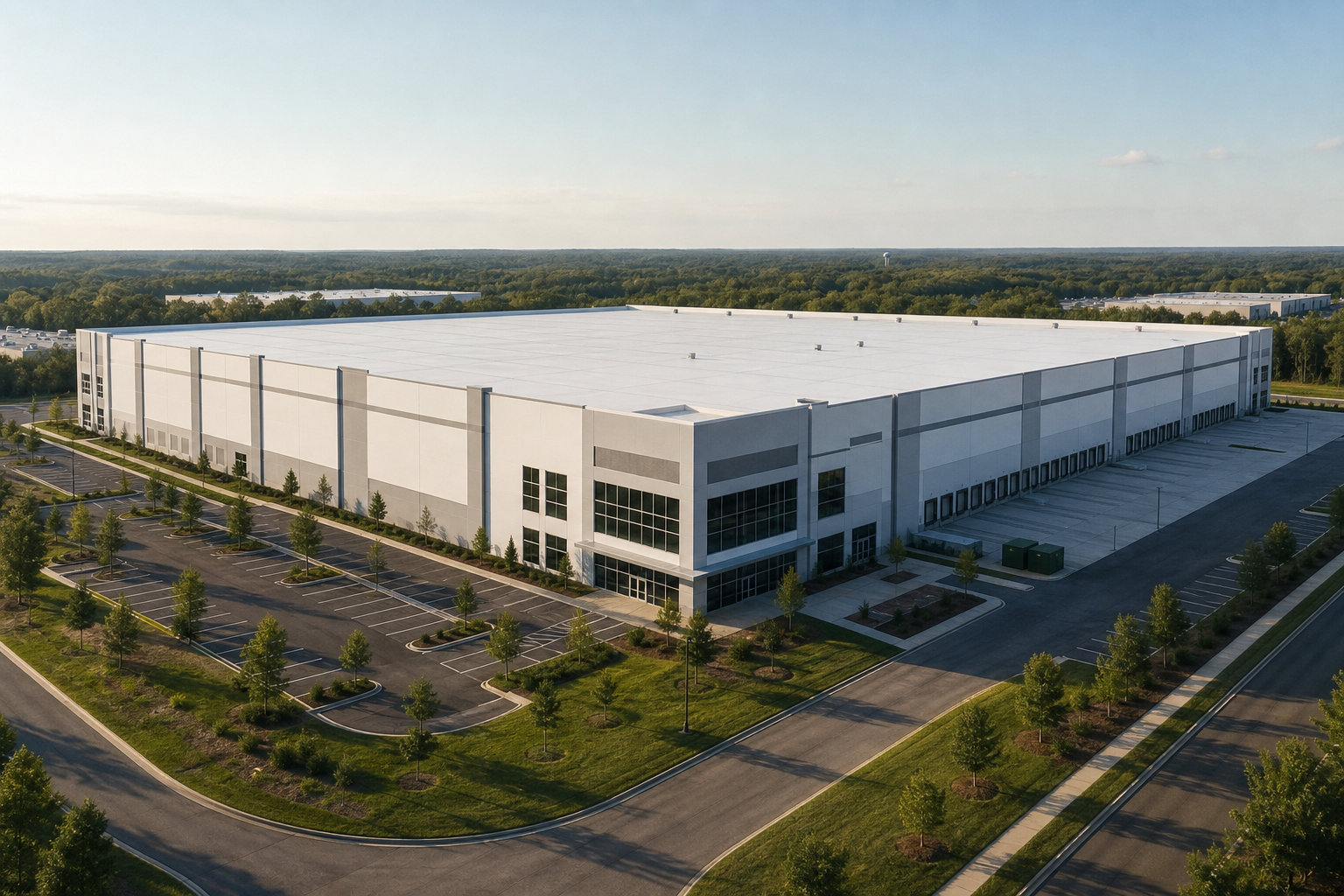
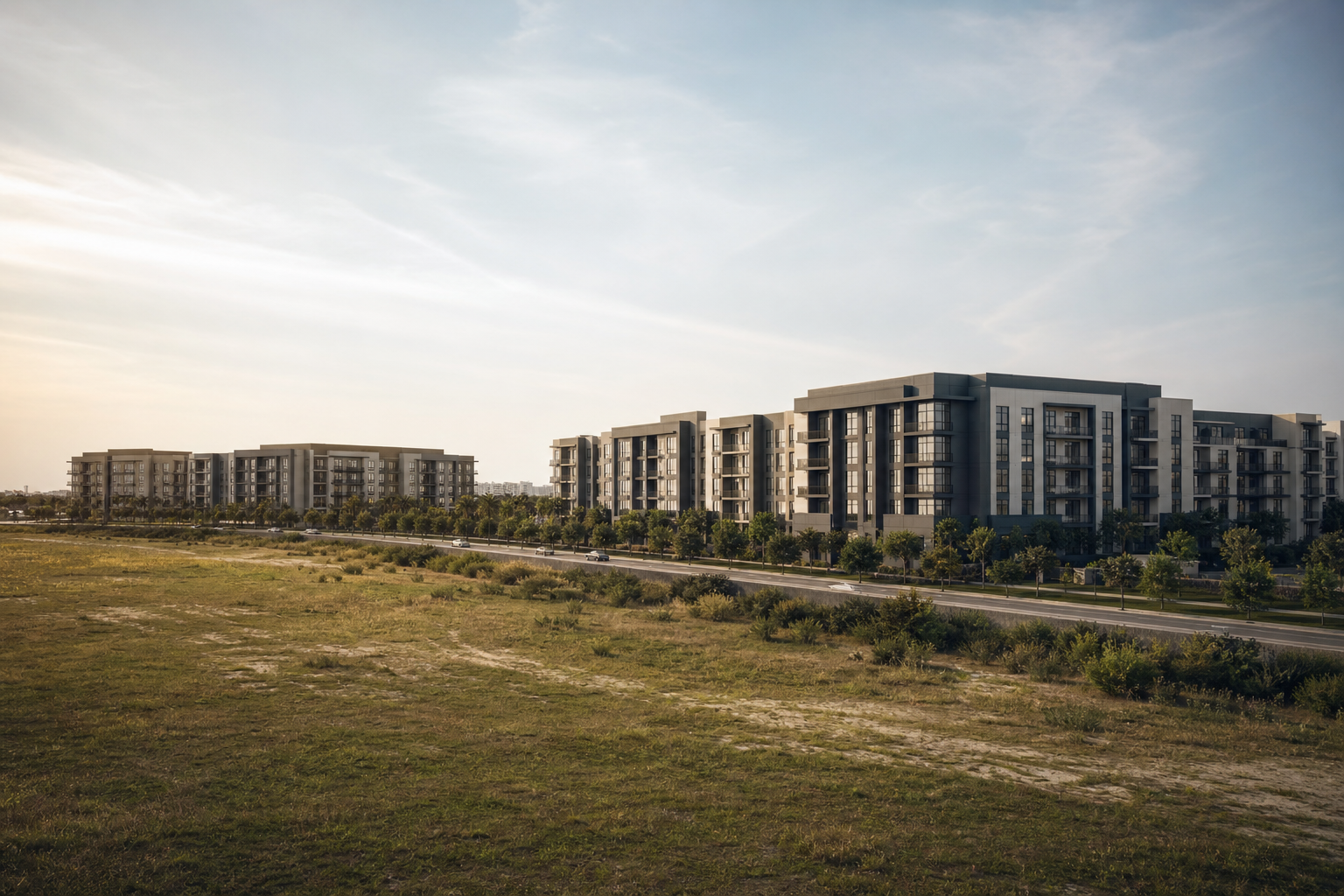
Our Read. For two years, every major property type has run the same playbook: absorb a shock, reprice, argue about the bottom. Office repriced against remote work. Multifamily digested a historic supply wave. Industrial wrestled with oversupply. Senior housing skipped the conversation — the debate isn't whether NOI grows, it's whether it prints at 18% or 21%.
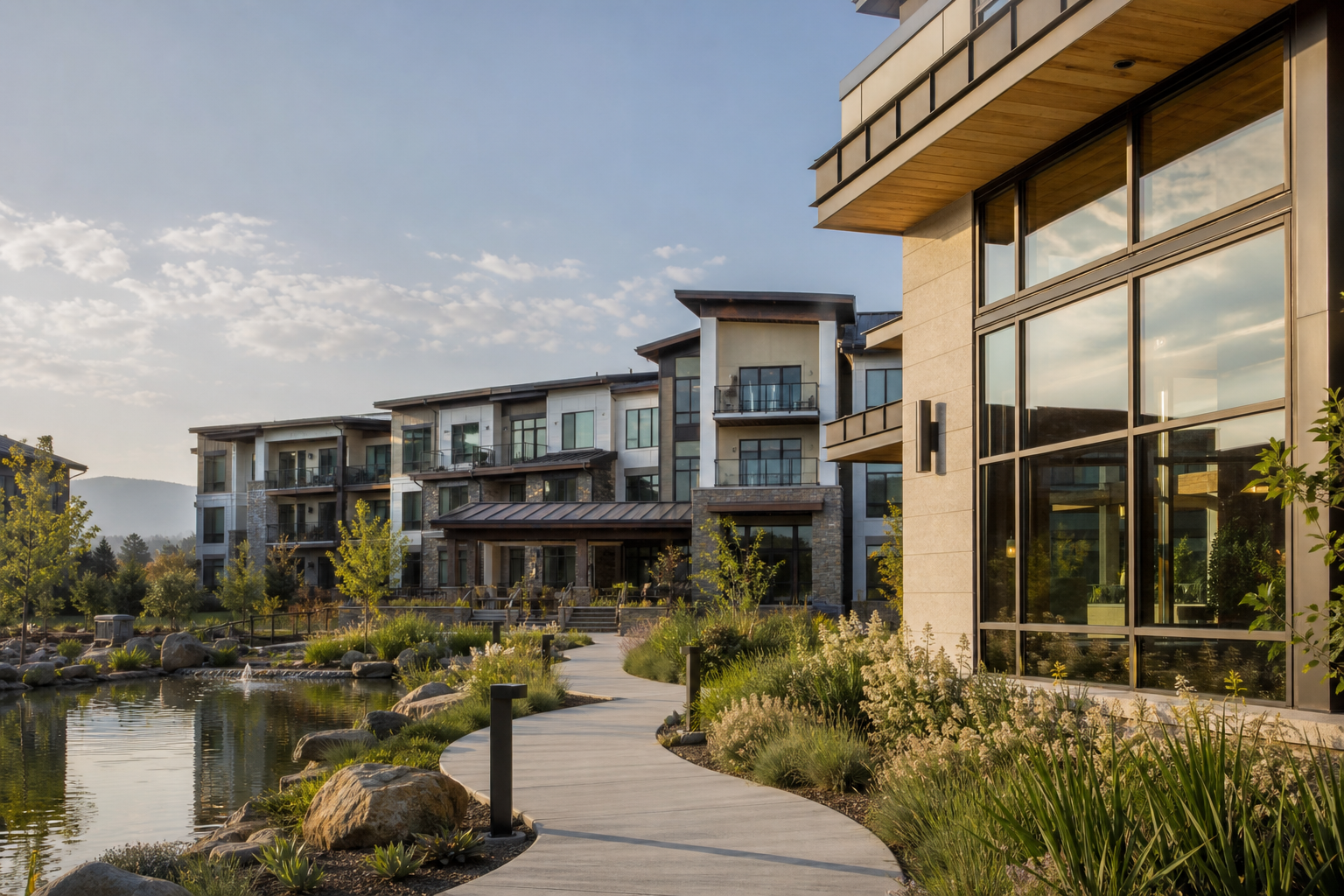
The mechanism is a supply-demand vise that rates cannot loosen. The 80-plus population is inflecting upward just as the construction freeze of 2020–2024 starves the pipeline. Demand is set by demography; supply was set four years ago. And because Welltower runs the SHOP model rather than leasing to a fixed-rent tenant, the landlord keeps the operating upside instead of handing it to an operator.
The louder signal is the capital rotation. Selling billions of outpatient medical to fund a $15.5-billion buying spree is a portfolio being deliberately re-pointed at the one demand curve that doesn't depend on employment, office attendance, or the rate cycle. When the largest owner in the space is an aggressive net buyer at this pace, it is underwriting the demographic tailwind as durable — not a post-COVID snapback.
The discipline question is what a buyer is actually underwriting. In senior housing, demand shows up regardless; the risk sits on the operating line. This is a labor business as much as a real-estate business — staffing costs, operator quality, and the execution risk of integrating well over a hundred communities a quarter are where returns are won or lost. The moat is the demographic curve; the danger is operational.
Stakeholder lens. Owners of well-run senior housing hold the rare asset with pricing power and a demand curve independent of the economy. For buyers, the entry question is operator quality and integration risk — not whether residents come. For lenders, first-order diligence is labor-cost trajectory and operator counterparty strength. For anyone allocating across property types, Welltower's rotation is a live read on where institutional capital believes the safest growth sits.
Key Takeaways
Senior housing is the one property type that never had a downcycle to recover from — a demographic supply-demand vise is compounding NOI at double digits, and the largest owner is rotating billions in to press the trade. The moat is demography; the risk migrated to the operating line.
Senior housing is the one property type still compounding double-digit NOI — the debate is 18% vs. 21%, not whether it grows
A supply-demand vise (80-plus inflection + the 2020–2024 build freeze) drives pricing power that rates can't loosen
Welltower's $15.5B YTD buying spree, funded by $7.2B of medical-office sales, underwrites the demographic tailwind as durable
The moat is demographic; the risk has migrated to the operating line — labor cost, operator quality, integration execution
Whether SHOP same-store growth normalizes as comparisons harden into 2027 — 20%-plus quarters cannot compound forever. Also open: whether Welltower can integrate 138-plus communities a quarter without operator-quality slippage, and how a rate-sensitive REIT paying premium prices holds up if the cost of capital moves against it. What's settled is the direction of demand.
Welltower — Second Quarter 2026 Results, reported July 27, 2026; Welltower — Q2 2026 Form 10-Q; Commercial Observer — Welltower Reports Revenue and Income Growth From Senior Housing Investments, July 2026; Welltower Q2 2026 earnings call summary (Yahoo Finance / company transcript); Commercial Real Estate Direct — Welltower Buys Seniors Housing Community Near Philadelphia for $35.5Mln, July 29, 2026
Get The Sector That Skipped the Cycle in your inbox
While office repairs and multifamily digests supply, senior housing just posted its 15th straight 20%-plus NOI quarter.