The Signal
The count is the headline. Office-to-apartment conversions in the pipeline entering 2026 reached about 90,300 units, a 28% year-over-year jump, after 2025 set a record with 11.8M SF completed or under construction. New York leads every metro at 16,358 conversion units; Washington, DC follows at 8,479.
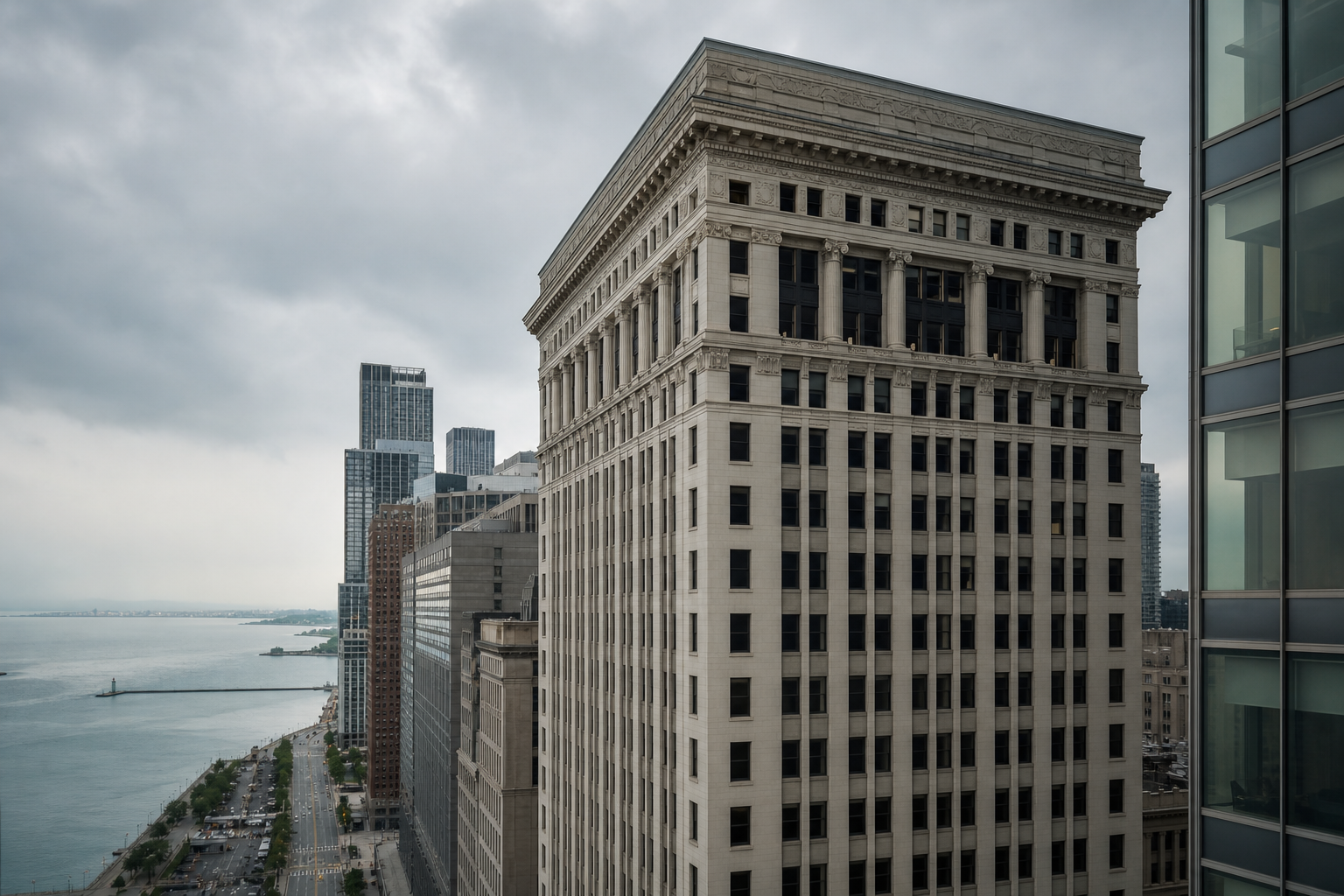
The named projects give the number weight. GFP Real Estate launched leasing at Wrey, its transformation of 222 Broadway into 788 residences, which together with its 25 Water Street project adds roughly 2,000 apartments in Manhattan's Financial District alone. In DC, Mayor Bowser broke ground on The Geneva, the city's largest-ever conversion at 532 homes, 60 of them permanently affordable, within a district that has already delivered 1,904 converted units, has 1,803 under construction, and more than 4,200 in the pipeline.
The pipeline is deeper still. A Manhattan study of potential projects south of 59th Street pegs 5.1B dollars in present-value cost across 12.2M gross SF and about 14,500 apartments targeted to start by mid-2026. Boston extended its conversion program after 22 applications covering 1.2M SF and 1,517 homes.
Implications / Our Read
The thing that changed is not sentiment; it is the arithmetic. Conversions pencil where three inputs line up: office basis repriced low enough to buy, a building with the right floorplate and window line, and a municipal program, tax abatement or by-right zoning, that closes the residual cost gap. Where all three hold, converted product delivers urban rental at a location the ground-up simply cannot buy.
That makes conversion a distinct underwriting exercise, not a discount version of either asset class. The risk sits in the delivered basis and the subsidy structure: floorplate depth, mechanical and plumbing risers, and abatement terms drive returns more than rent comps do. Cities are underwriting the other side of that trade; New York's own analysis attaches billions in present-value cost precisely because the fiscal and housing payoff justifies the incentive.
For office owners, this is the first credible exit for functionally obsolete B and C towers that will not re-lease as office at any realistic rent. It resets the terminal-value question on a large slice of downtown stock, not to office cap rates, but to residential-conversion basis, a lower number than pre-2020 marks but a real, financeable one.
For the housing side, about 20,000 net new converted apartments in a year is not a rounding error in supply-constrained gateway markets. It is a structural, if geographically concentrated, addition, and it lands in exactly the walkable cores where new ground-up multifamily is hardest to entitle.
Stakeholder Lens
Office owners: Test conversion feasibility on obsolete stock now; floorplate, riser capacity, and local abatement eligibility decide whether the exit is real. Multifamily developers: Converted product is a location competitor, not a curiosity. Lenders: Conversion loans price on delivered basis and subsidy certainty; the abatement is collateral. Cities: The programs work where they close the cost gap.
Still Unresolved
Whether conversion scales beyond the handful of metros with deep obsolete-office stock and active subsidy programs. Construction-cost inflation and interest rates still gate marginal deals, and the affordable set-asides that unlock abatements also compress returns. The 2027 pipeline, 32 DC projects alone totaling 7M SF, will test whether momentum survives without richer incentives.
Key Takeaway
When a single year adds about 20,000 converted apartments and the pipeline crosses 90,000 units, office-to-residential has stopped being a headline and become part of the housing supply system, priced on delivered basis and municipal subsidy, not office nostalgia.
Related coverage
Key Takeaways
The 2026 conversion pipeline hit about 90,300 units, up 28% YoY, led by NYC (16,358) and DC (8,479)
Conversions pencil only where repriced office basis, the right floorplate, and a municipal program all line up
For office owners it is the first credible exit for obsolete B and C towers, repriced to conversion basis
About 20,000 net new converted apartments a year is structural supply in walkable cores
The open question is whether it scales beyond a handful of subsidized metros
Smart Cities Dive — Office-to-housing conversions grew 28% last year, July 2026; Office of the NYC Comptroller — Office-to-Residential Conversions in NYC: Economics and Fiscal Estimates, 2026; New York YIMBY — Ongoing Office-to-Residential Conversions to Bring Nearly 3,000 New Units to Manhattan, June 2026; DC Mayor's Office — Mayor Bowser Breaks Ground on The Geneva, DC's Largest-Ever Office-to-Residential Conversion, 2026; Boston.gov — Office to Residential Conversion Program Extended as it Surpasses 1,500 New Homes, 2026; The Real Deal — NYC office-to-residential conversions: top projects, 2026
Get The Year Office Became Housing in your inbox
Adaptive reuse crossed 90,000 units in the pipeline; conversions are now supply infrastructure.